
Beautiful Plants For Your Interior
Beautiful Plants For Your Interior
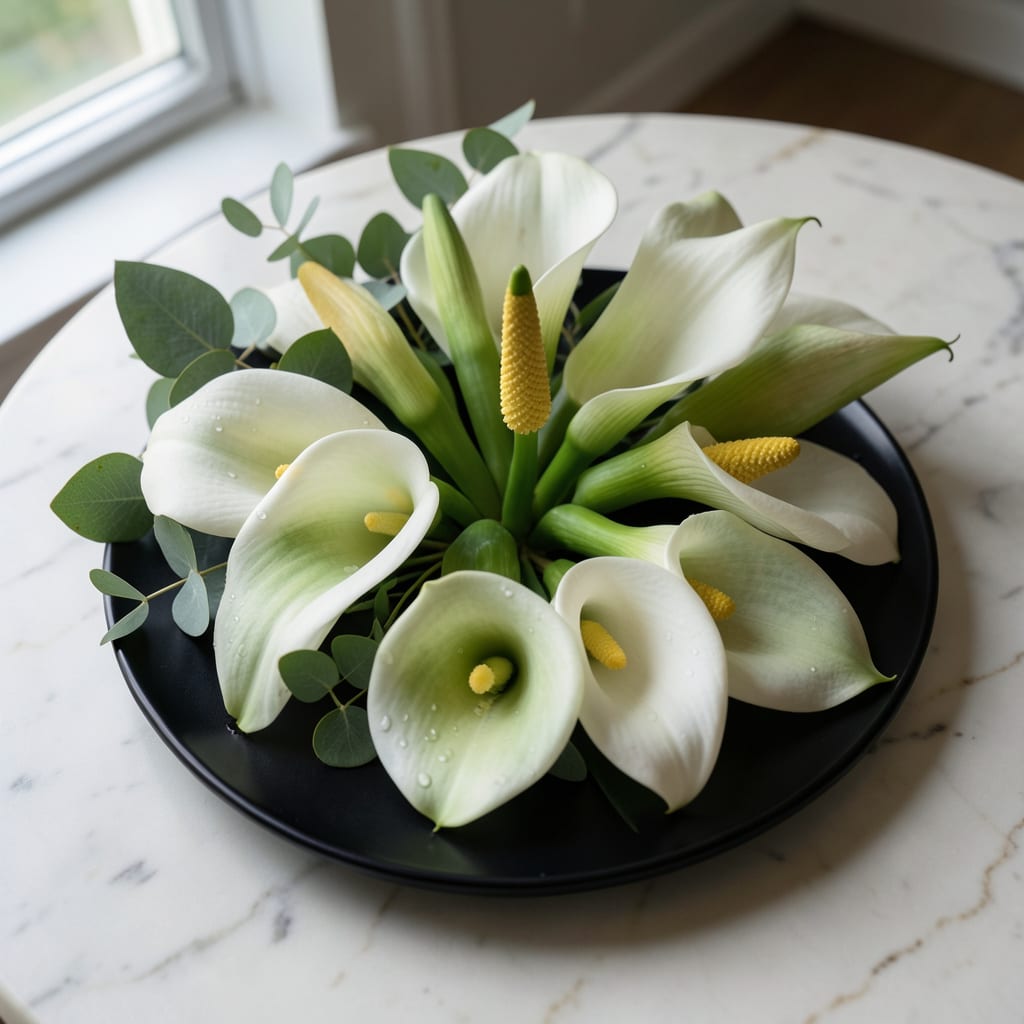
Green calla lily blooms caught me off guard last summer. Here’s the thing—this isn’t a natural phase or a new variety. It’s your plant screaming for help through its color change.
Most often, it’s a phosphorus deficiency throwing off the pigment production. Too much nitrogen can do it too, pushing green growth at the expense of those signature white spathes. I’ve seen it happen in 2-3 weeks of imbalanced feeding.
Light plays a role as well. Too little sun means the plant can’t produce enough energy to maintain its proper color. The remedy is often as simple as adjusting your fertilizer or moving the pot to brighter light.
You’ll see normal blooms return within 3-4 weeks of fixing the issue. The transformation back to white is just as dramatic as the green surprise was in the first place.
Calla lilies turning green often signal an underlying issue disrupting their natural pigmentation. Below are the most common causes, explained with actionable insights.
Nitrogen is essential for leafy growth, but over-fertilization—especially with high-nitrogen blends—can trigger chlorophyll overproduction. This overpowers the plant’s natural white or colored spathe (the “flower”), turning it green. Test soil with a kit; nitrogen levels above 50 ppm may require flushing with water to restore balance.
Calla lilies need bright, indirect light to maintain their iconic hues. Insufficient light disrupts anthocyanin (color pigment) synthesis, causing the spathe to revert to green as chlorophyll dominates. Move plants to a sunnier spot (east/west-facing windows) or supplement with grow lights (12–14 hours/day).
Extreme heat (>85°F) or cold (<50°F) can stress calla lilies, altering their metabolic processes. Heat accelerates chlorophyll production, while cold slows pigment development. Maintain temperatures between 60–75°F and avoid drafts or direct heat sources.
A deficiency in phosphorus or potassium—key for flower color—can cause green discoloration. Use a balanced fertilizer (e.g., 10-10-10) or one higher in phosphorus (e.g., 5-10-5) to support vibrant blooms. Yellowing leaves may signal broader deficiencies; adjust care accordingly.
If your calla lilies are turning green, don’t panic—there are simple fixes for each underlying cause. Below are targeted solutions, along with prevention tips to keep your plants thriving.
Switch to a low-nitrogen, high-phosphorus fertilizer (like a 5-10-10 or 10-20-20 blend) to encourage blooming instead of foliage growth. Flush the soil with water to leach out excess nitrogen, and avoid over-fertilizing. Prevention tip: Test your soil annually and fertilize based on its needs, not a fixed schedule. 💡
Move potted calla lilies to a cooler spot (ideal: 60–75°F during the day, 50–55°F at night). For garden plants, provide afternoon shade in hot climates. Mulch around the base to regulate soil temperature. Prevention tip: Avoid placing them near heat sources or in direct, scorching sunlight. ✨
Ensure your calla lilies receive bright, indirect light for 6–8 hours daily. If growing indoors, place them near an east- or west-facing window. Outdoors, filter harsh sunlight with sheer fabric or strategic planting under taller plants. Prevention tip: Rotate potted plants weekly for even light distribution. 🌿
Let the top 1–2 inches of soil dry out between waterings. Repot plants in well-draining soil and containers with drainage holes. If root rot is suspected, trim affected roots and repot in fresh soil. Prevention tip: Use a moisture meter to avoid guesswork. 🌧️
With these adjustments, your calla lilies should return to their vibrant, blooming selves in no time!
No, it’s usually reversible with proper care. Adjust light, temperature, or fertilizer, and blooms should return to normal within 3-4 weeks.
Excess nitrogen causes lush green leaves but weak, green-tinged blooms. Test soil—levels above 50 ppm confirm over-fertilization.
Yes! Relocate to bright, indirect light for 6-8 hours daily. East/west windows work best indoors.
Keep plants between 60–75°F to prevent stress-related discoloration. Avoid drafts or heat sources.
