
Beautiful Plants For Your Interior
Beautiful Plants For Your Interior
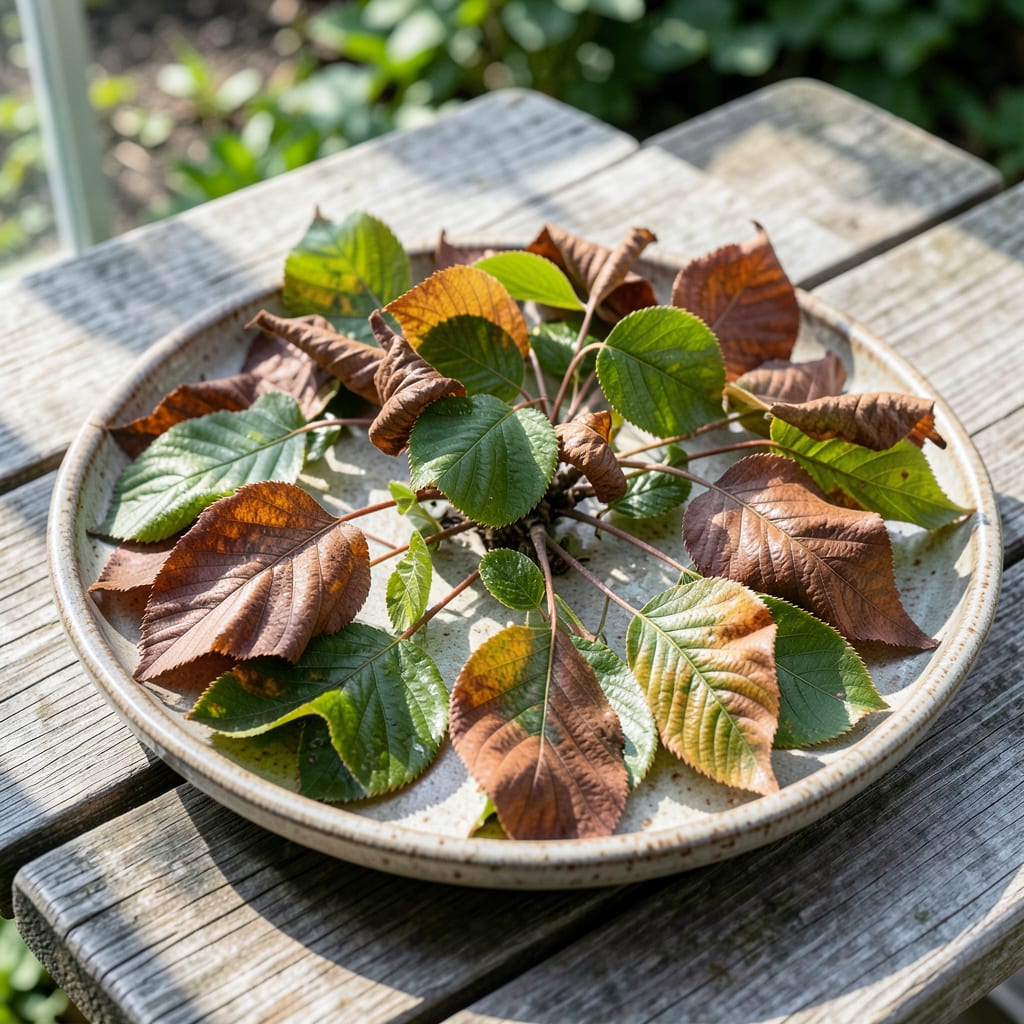
Brown, curling leaves on your cherry tree aren’t just unsightly—they’re a red flag. I’ve seen this wipe out young trees in a single season if ignored.
The usual suspects? Aphids sucking sap, fungal infections spreading fast, or drought stress hitting hard. Each leaves a slightly different mark, but the result looks the same: sad, crispy foliage.
Good news: organic fixes work fast. Neem oil, proper watering, and airflow adjustments can turn things around in 2-3 weeks. The key is catching it early before the damage spreads.
Works for ornamental and fruit-bearing varieties alike. Here’s how to diagnose and treat it before it’s too late.
Your cherry tree’s brown, curling leaves are likely crying out for help. Here are the most common causes, each with a clear explanation so you can pinpoint the issue fast.
Pathogens like Coccomyces (leaf blight) or Blumeriella jaapii (cherry leaf spot) thrive in wet, humid conditions. They attack leaf tissue, disrupting chlorophyll production and causing brown, curled edges. Spores spread via water splashes, so overhead irrigation worsens the problem.
Aphids, spider mites, and cherry fruit flies pierce leaf cells to feed, draining sap and introducing toxins. This stress triggers browning and curling as the tree conserves water. Check leaf undersides for webbing (mites) or sticky honeydew (aphids).
Drought, heatwaves, or waterlogged roots disrupt the tree’s vascular system. Under water stress, leaves scorch (turn brown) and curl to reduce surface area and limit moisture loss. Poor drainage can suffocate roots, mimicking drought symptoms.
Lack of potassium or magnesium impairs photosynthesis and leaf integrity. Potassium deficiency often starts with yellowing edges that turn brown, while magnesium shortage causes interveinal browning (between veins). A soil test confirms imbalances.
Overuse of herbicides or improperly applied foliar sprays can chemically burn leaves, leading to rapid browning and curling. Always follow label rates and avoid spraying during high heat or wind.
When your cherry tree’s leaves start browning and curling, quick action can restore its health. Below are targeted fixes for the most common causes, along with prevention tips to keep your tree thriving.
Deeply water the tree at the base, ensuring the soil is moist 8–12 inches down. Use a soaker hose or drip irrigation to avoid wetting the leaves. Water early in the morning to reduce evaporation.
Prevention: Mulch around the base (3–4 inches of organic mulch) to retain moisture. Check soil weekly during dry spells.
Remove and destroy infected leaves immediately to stop the spread. Apply a copper-based fungicide or neem oil spray, following label instructions. Prune crowded branches to improve airflow.
Prevention: Thin the canopy annually, and avoid overhead watering. Clean up fallen leaves in autumn to reduce spores.
Blast pests off with a strong stream of water, then apply insecticidal soap or horticultural oil. For severe cases, introduce beneficial insects like ladybugs.
Prevention: Inspect leaves regularly (especially undersides) and encourage natural predators with companion plants like yarrow or marigolds.
Shield the tree with a shade cloth during heatwaves. For wind damage, stake young trees and use windbreaks. Apply anti-desiccant sprays if leaves show sunburn (white or tan patches).
Prevention: Plant in a sheltered spot and ensure consistent watering to build resilience.
Test soil pH (cherries prefer 6.0–7.0). Amend with compost or a balanced fertilizer (10-10-10). For iron deficiency (yellowing between veins), apply chelated iron.
Prevention: Fertilize in early spring and mid-summer, and retest soil every 2–3 years.
Combine these fixes with regular care, and your cherry tree will bounce back with lush, healthy foliage! 🌳✨
Yes! Too much water suffocates roots, preventing proper nutrient uptake. This triggers stress responses like browning and curling. Ensure soil drains well and water only when the top 2-3 inches are dry.
Check leaf undersides for tiny bugs, webbing, or sticky residue. Aphids leave honeydew, while mites create fine silk. Use a magnifying glass for early detection.
Remove severely damaged leaves to stop disease spread, but avoid heavy pruning during active growth. Sanitize tools with rubbing alcohol between cuts to prevent contamination.
Often yes. Heat stress peaks in summer, while fungal diseases thrive in wet spring weather. Monitor conditions and adjust care accordingly.
