
Beautiful Plants For Your Interior
Beautiful Plants For Your Interior
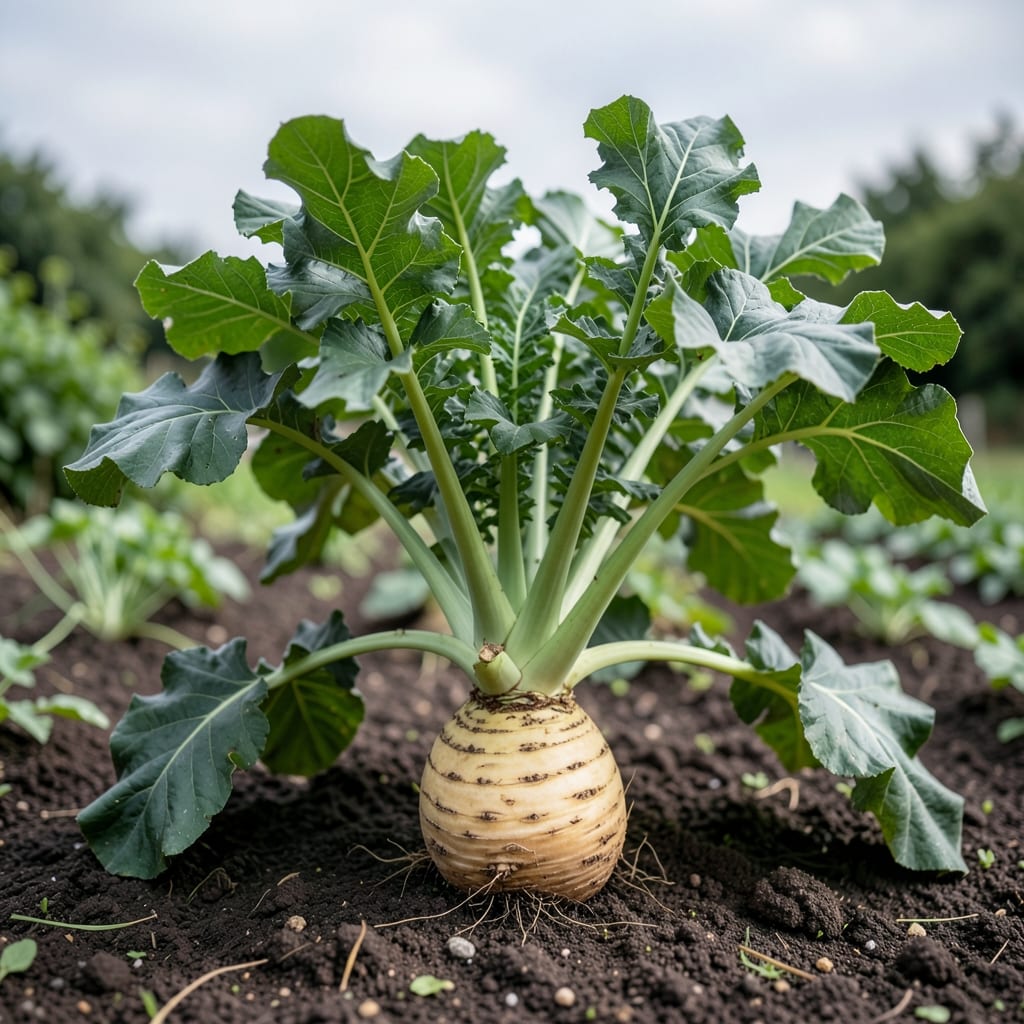
Yes, celeriac and celery root refer to the same plant. Celeriac is the cultivated variety of celery grown specifically for its edible root, not its stalks.
What many don’t realize is that both come from the Apium graveolens species, with celeriac developed over centuries to prioritize its knobby underground bulb. 🔥 I’ve found this root variety offers a nutty, earthy depth that’s distinct from the crisp stalks we’re used to, making it a favorite in European cuisines for soups and purées.
Gardeners often choose celeriac for its hardiness and longer growing season, though it requires patient care to reach its full 6-8 month maturity. ✨
💡 In This Article
Both belong to the Apium graveolens species, but celeriac represents the rapa cultivar group, specifically bred for its enlarged root. This variety directs its growth energy underground, forming a rough, brown bulb that can reach 3-5 inches in diameter.
The plant’s taxonomy places it in the same family as carrots and parsley, explaining their similar aromatic compounds.
While regular celery develops tall, fibrous stalks, celeriac’s growth focuses on its root system. The root’s unique appearance comes from the plant’s corky outer layer, which protects the pale, creamy flesh inside. This adaptation allows celeriac to store more nutrients and moisture than its stalk-focused relative, giving it a denser, more concentrated flavor profile. 🔥
Cultivation practices differ significantly between the two. Celeriac requires a longer growing season of 150-180 days and consistent moisture to develop its root properly. The plant’s above-ground growth appears similar to celery initially, but the root begins swelling noticeably after 100 days, distinguishing it from stalk celery varieties.
The flavor difference stems from their distinct growth focuses. Celeriac’s root concentrates the plant’s characteristic celery flavor into a more earthy, nutty profile. This happens because the root stores complex carbohydrates and volatile oils that develop during its extended maturation period. ✨
Nutritionally, celeriac offers more fiber and vitamin K than celery stalks, with about 42 calories per 100g compared to celery’s 14 calories. This nutritional density comes from the root’s role as the plant’s energy storage organ, packed with starches and sugars that develop during its long growing season.
Gardeners often note that celeriac plants are more cold-hardy than regular celery, tolerating light frosts that would damage stalk varieties. This resilience, combined with its unique flavor, makes celeriac a favorite among chefs and home cooks seeking a distinctive vegetable for hearty dishes. 💫
Celeriac has a nuttier, earthier flavor than celery stalks. Its root concentrates the plant’s classic celery notes into a richer profile that works beautifully in purées and soups.
Not always. Celeriac’s texture is denser and starchier, perfect for roasting or mashing. Celery stalks are better for crunch in salads or stir-fries. Substituting may change the dish’s texture.
The corky, knotty skin protects the delicate flesh inside as it grows underground. This layer also helps the root retain moisture and nutrients during its 6-8 month maturation period.
Yes! Celeriac packs more fiber and vitamin K per 100g than celery stalks. It also contains more calories due to its starch content, making it more energy-dense.
Keep it unpeeled in a cool, dark place or the fridge for up to 2 weeks. Once cut, submerge in water to prevent browning, or store in an airtight container for 3-4 days.