
Beautiful Plants For Your Interior
Beautiful Plants For Your Interior
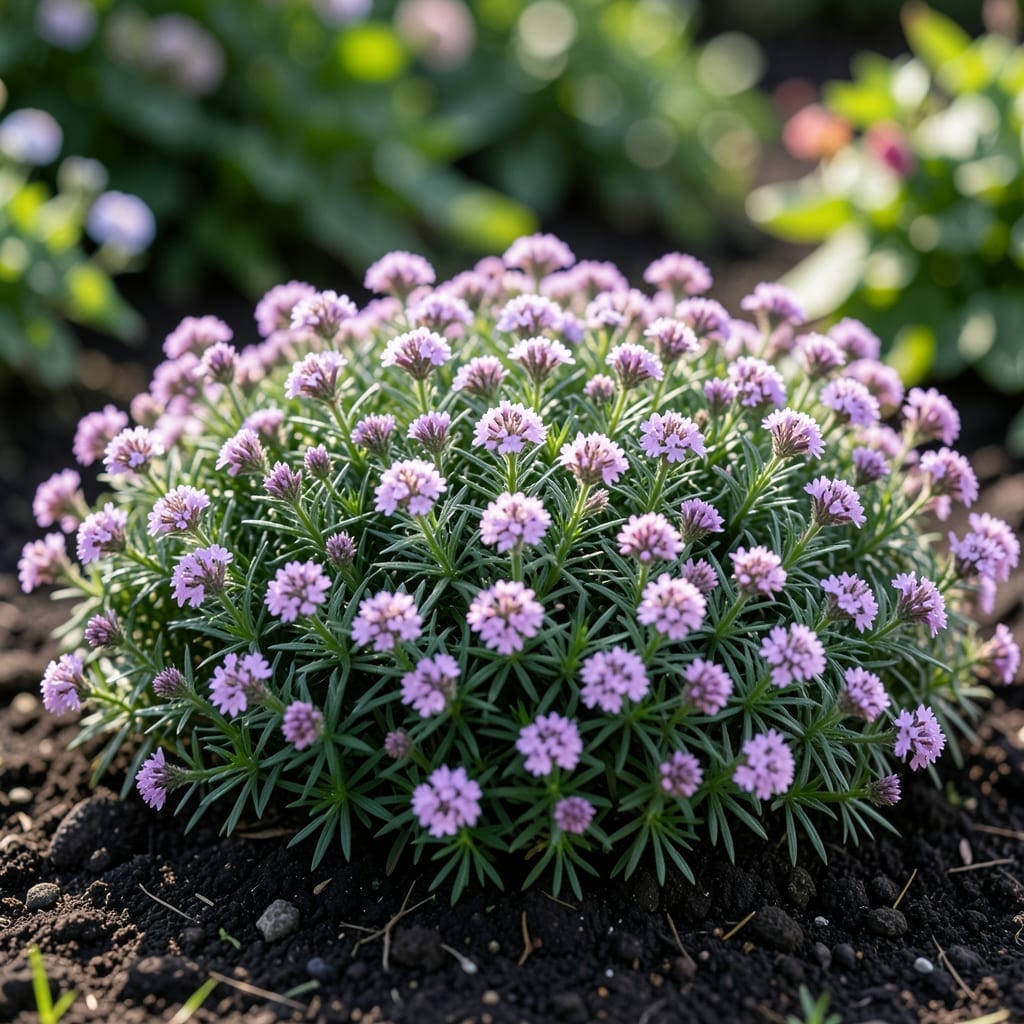
I’ve seen gardens transformed by the vibrant carpet of Creeping Phlox 🌸, and its adaptability to different light conditions is part of its charm. But here’s the thing: while it can handle shade, its true magic happens under the right amount of sunlight.
Getting the light balance right means the difference between sparse growth and a lush, flowering display. Whether your yard is sun-drenched or partially shaded, understanding its preferences will help you make the most of this hardy ground cover.
Discover how to position Creeping Phlox for maximum blooms and health, no matter your garden’s light situation. Let’s dig in.
 Best Window Placement
I’ve found that Creeping Phlox thrives best with 6+ hours of direct sunlight daily. This full sun exposure fuels its most vibrant blooms and dense growth habit. In my experience, gardens with southern or western exposure produce the most stunning displays.
While it tolerates less light, the flowering intensity and foliage density noticeably decrease in shadier spots. The plant’s spread rate also slows without adequate sun, which is something to consider for ground cover projects.
| Light Condition | Bloom Quality | Growth Rate |
|---|---|---|
| Full Sun (6+ hrs) | Abundant, vibrant | Fast |
| Partial Sun (4-6 hrs) | Moderate, good | Medium |
| Partial Shade (2-4 hrs) | Sparse, pale | Slow |
In hotter climates like USDA zones 7-8, I recommend providing some afternoon shade to prevent scorching. This adjustment helps maintain foliage health during peak summer heat while still allowing for prolific blooming.
The plant’s soil moisture needs change with light exposure too. In full sun, I water my Creeping Phlox twice weekly during dry spells. In shadier spots, the soil stays moist longer, so I reduce watering to once a week.
For northern gardens in zones 4-6, full sun is ideal as the plant benefits from all available light. Here, the cold tolerance of Creeping Phlox shines, and it often blooms earlier in the season compared to warmer regions.
I’ve noticed that morning sun is particularly beneficial. It dries the dew quickly, reducing the risk of foliar diseases. Even in partial shade, ensuring the plant gets morning light makes a noticeable difference in its health.
When planting in mixed light conditions, I position Creeping Phlox where it gets eastern exposure. This gives it gentle morning sun and protection from intense afternoon rays, creating an ideal balance for consistent growth.
The flower color intensity also varies with light. My purple varieties in full sun develop deeper hues, while those in partial shade tend to have softer, pastel tones. This variation can be used creatively in garden design.
For the best results, I always prepare the soil with organic compost before planting. This improves both drainage and nutrient availability, which is crucial regardless of the light conditions in your garden. ☀️
I’ve successfully grown Creeping Phlox in shaded areas, but it’s important to understand how light levels affect its performance. While it prefers full sun, it can adapt to partial shade with some adjustments to expectations and care.
The key is distinguishing between dappled shade, light shade, and deep shade. Each type impacts the plant differently, particularly in terms of flower production and foliage density.
In dappled shade, where sunlight filters through trees, Creeping Phlox still produces a respectable bloom. I’ve seen it create a beautiful understory beneath taller plants, though the flowers may be slightly less abundant than in full sun.
For light shade (about 2-4 hours of sun), the plant grows well but with reduced flowering. I recommend adding white or pastel varieties here, as their colors show up better in lower light conditions.
Deep shade is where Creeping Phlox struggles most. While it survives, the bloom production drops significantly, and the foliage becomes sparse. In these spots, I use it more for its evergreen ground cover than its flowers.
To enhance its appearance in shade, I pair Creeping Phlox with hostas or ferns. These companions provide contrasting textures that make the phlox stand out even when it’s not in full bloom.
Remember that soil quality becomes even more important in shade. I always amend the soil with compost before planting to ensure good drainage and nutrient availability, as shaded areas often have more competition for resources. 🌿