
Beautiful Plants For Your Interior
Beautiful Plants For Your Interior
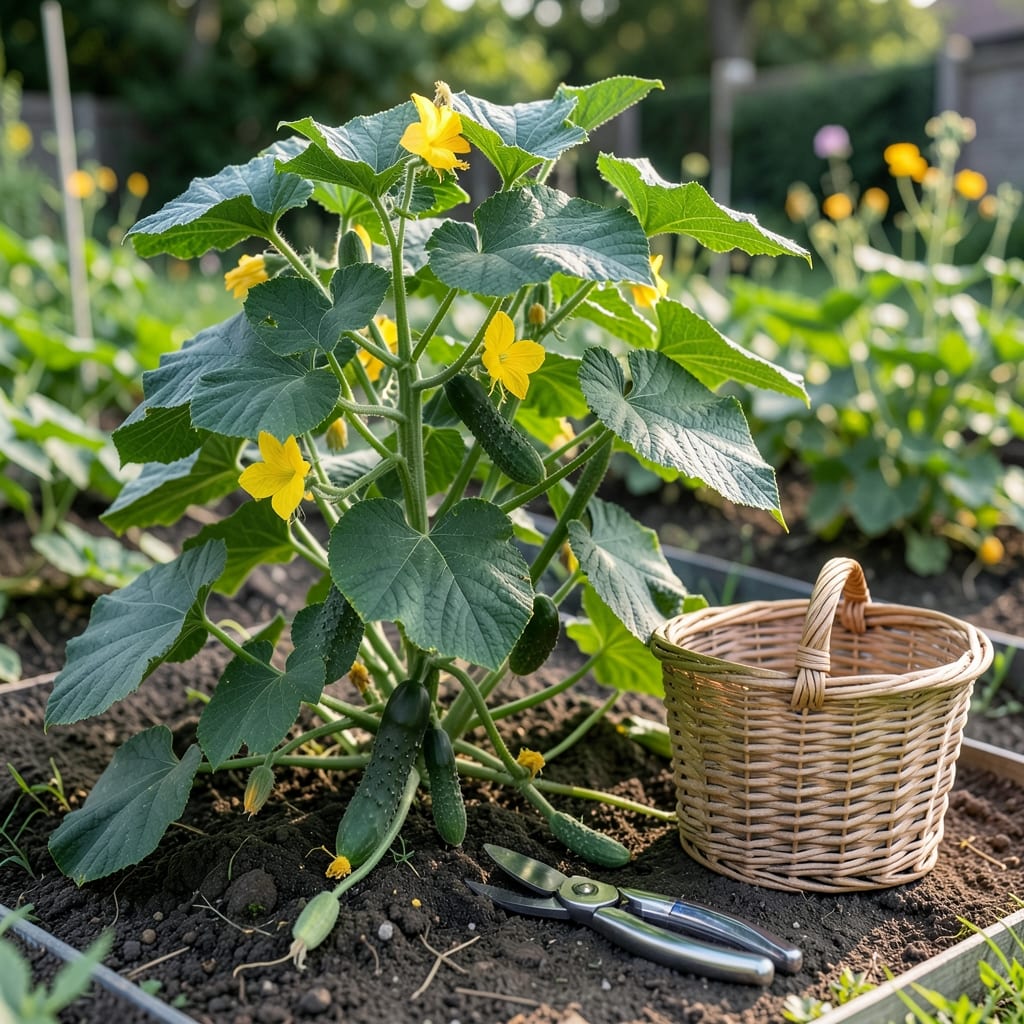
Nothing kills the joy of a thriving cucumber patch like watching the leaves turn yellow overnight. I’ve lost entire crops to this before, but now I know it’s usually fixable.
Yellowing often signals something’s off—too much water, not enough nutrients, or pests moving in. The good news? Most causes are simple to diagnose and even simpler to correct with natural solutions.
With a few adjustments, your plants can bounce back to vibrant green in days. No chemicals, no guesswork—just smart, targeted fixes.
Works for container gardens, raised beds, or in-ground plots. Here’s exactly what to look for and how to respond.
When your pickling cucumbers start turning yellow, it’s usually a sign of stress or imbalance. Below are the most common causes, explained with actionable insights to help you diagnose and fix the issue.
Yellowing often stems from a lack of essential nutrients, particularly nitrogen, magnesium, or iron. Nitrogen deficiency typically causes uniform yellowing of older leaves, while magnesium deficiency appears as yellow patches between leaf veins (interveinal chlorosis). Iron deficiency, on the other hand, turns young leaves yellow while veins remain green. A soil test can pinpoint the exact deficiency, allowing you to amend the soil with the right fertilizer or organic matter.
Too much water or poorly draining soil can suffocate cucumber roots, leading to yellowing leaves. Roots need oxygen to function, and waterlogged soil prevents this exchange. Check the soil moisture by inserting your finger 1-2 inches deep—if it feels soggy, reduce watering. Ensure your planting area has good drainage or use raised beds to prevent water pooling.
Pests like aphids, spider mites, and whiteflies sap nutrients from cucumber plants, causing leaves to yellow and curl. Inspect the undersides of leaves for tiny insects or webbing. A strong blast of water or neem oil spray can help control minor infestations. For severe cases, introduce beneficial insects like ladybugs or use insecticidal soap.
Diseases such as powdery mildew, downy mildew, or bacterial leaf spot can cause yellowing leaves, often accompanied by spots, mold, or wilting. These thrive in humid, crowded conditions. Improve air circulation by spacing plants properly and avoid overhead watering. Fungicides or copper-based sprays can treat existing infections, but prevention through crop rotation and resistant varieties is key.
Extreme heat, cold, or excessive sunlight can stress cucumber plants, leading to yellowing. If temperatures soar above 90°F (32°C), provide shade cloth to protect plants. Conversely, cold snaps below 50°F (10°C) can stunt growth and cause discoloration. Mulching helps regulate soil temperature and retain moisture, reducing stress on the plants.
If your pickling cucumbers are turning yellow, don’t panic—there are practical fixes for every common cause. Below are targeted solutions to restore your plants’ health and prevent future issues.
Fix: Test your soil with a kit to confirm deficiencies. Amend with a balanced fertilizer (10-10-10 or organic compost) for nitrogen, phosphorus, or potassium shortages. For magnesium, use Epsom salt (1 tablespoon per gallon of water) as a foliar spray.
Prevention: 💡 Fertilize soil before planting and side-dress every 3–4 weeks. Rotate crops yearly to avoid depletion.
Fix: Let the top 1–2 inches of soil dry between waterings. If roots are waterlogged, improve drainage by mixing in sand or perlite. For potted plants, ensure containers have drainage holes.
Prevention: ✨ Use drip irrigation to deliver water directly to roots and avoid wetting foliage. Mulch with straw to retain moisture without soggy soil.
Fix: Shield plants from extreme heat with shade cloth (30–50%) during peak sun. If temperatures drop below 50°F (10°C), use row covers to retain warmth. For pollination issues, hand-pollinate with a soft brush.
Prevention: 🌡️ Plant cucumbers after the last frost when soil is at least 60°F (15°C). Choose heat-tolerant varieties for hot climates.
Fix: Remove yellow leaves to prevent spread. For aphids or cucumber beetles, spray with neem oil or insecticidal soap. Fungal infections (like powdery mildew) can be treated with baking soda solution (1 teaspoon per quart of water + a drop of dish soap).
Prevention: 🎯 Practice crop rotation, avoid overhead watering, and space plants 12–18 inches apart for airflow. Remove debris after harvest to eliminate hiding spots for pests.
Fix: Harvest pickling cucumbers when they’re 2–4 inches long and bright green. Overripe cucumbers turn yellow and bitter—pick daily to encourage more production.
Prevention: ⏰ Set a reminder to check plants every 2–3 days during peak season. Store picked cucumbers in the fridge to slow ripening.
No, once they turn yellow, they won’t revert to green. Remove them to encourage new growth.
Water deeply 2-3 times per week, allowing the top 1-2 inches of soil to dry between waterings. Avoid soggy soil to prevent yellowing.
A neem oil spray works well for aphids and spider mites. Apply in the evening and reapply after rain.
Yes, prune yellow leaves to prevent disease spread and redirect energy to healthy growth.