
Beautiful Plants For Your Interior
Beautiful Plants For Your Interior
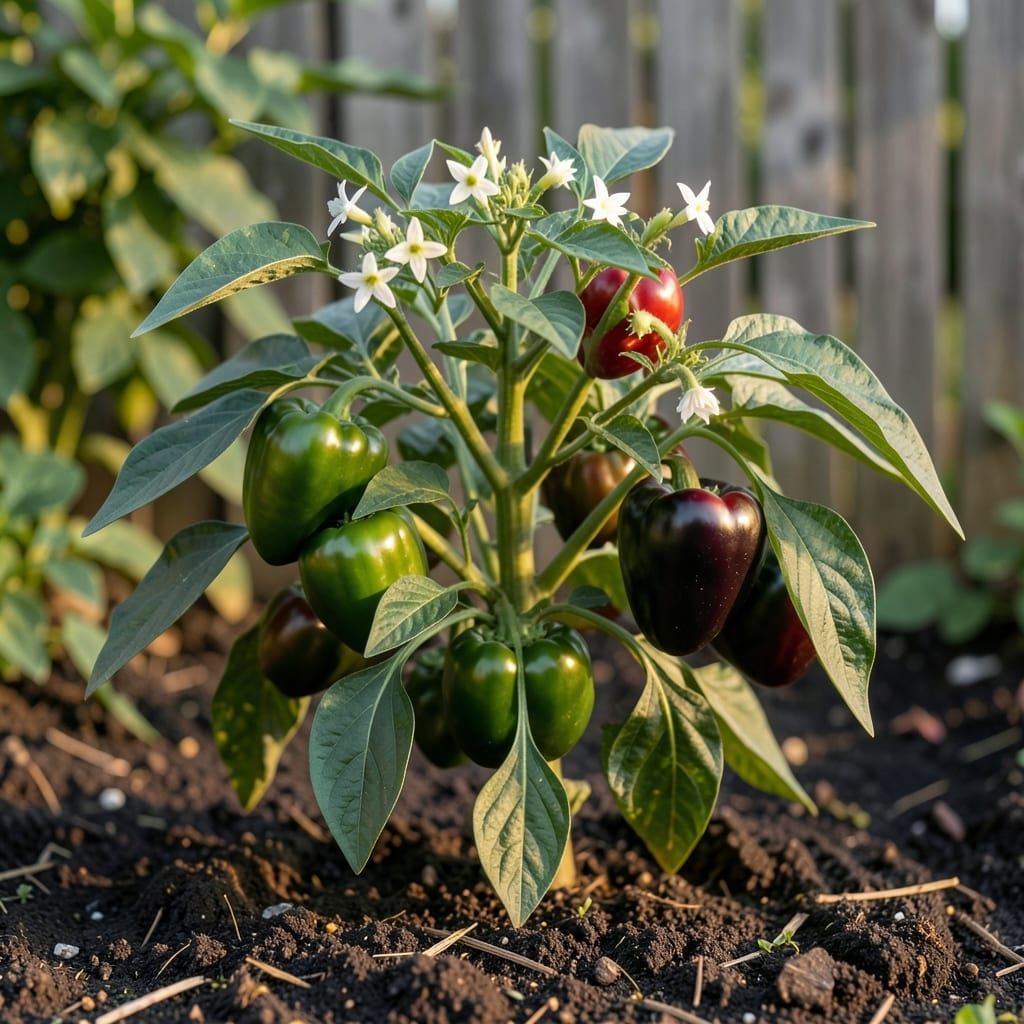
Black peppers in your garden aren’t just unsightly—they signal trouble. I’ve lost entire crops to this before learning the root causes.
Usually it’s one of three culprits: blossom end rot, fungal infections, or sunscald. Each leaves distinct black marks, but the fixes are straightforward once you know what you’re dealing with.
With the right adjustments to watering, sunlight, or air circulation, you’ll see new growth within 1-2 weeks. The key is catching it early before it spreads to healthy fruit.
Works for bell peppers, jalapeños, and every variety in between. Here’s how to diagnose and treat it fast.
Peppers turning black can be alarming, but the issue usually stems from a few common—and fixable—causes. Below are the most likely culprits, explained with actionable insights. 🌱
Intense sunlight can burn pepper skins, leading to blackened patches. This happens when fruits are exposed to direct, harsh sunlight (especially in hot climates) without adequate foliage cover. The UV radiation breaks down cell walls, causing discoloration. Solution: Provide shade cloth (30-50% density) during peak sun hours or ensure plants have enough leaves to self-shade.
While often associated with tomatoes, peppers also suffer from blossom end rot—a calcium deficiency that turns the blossom end dark and leathery. Uneven watering or soil lacking calcium triggers this. Solution: Test soil pH (aim for 6.0-6.8) and amend with lime or gypsum. Water consistently to prevent moisture swings.
Pathogens like Alternaria (early blight) or Xanthomonas (bacterial spot) can cause dark, sunken lesions. These thrive in wet, humid conditions. Solution: Improve airflow with pruning, avoid overhead watering, and apply copper-based fungicides preventatively. Remove infected fruits immediately.
Peppers are tropical plants; temperatures below 50°F (10°C) can shock them, leading to blackened, mushy spots. Even light frost can cause irreversible damage. Solution: Use row covers or move potted plants indoors when cold snaps are forecasted.
Sap-sucking pests like aphids or spider mites can stress plants, indirectly causing blackening. Their feeding disrupts nutrient flow, while their sticky honeydew attracts sooty mold (black fungus). Solution: Spray with neem oil or insecticidal soap, and introduce beneficial insects like ladybugs.
If your peppers are turning black, don’t panic—there are simple fixes for each underlying cause. Below, we map common issues to actionable solutions, plus tips to keep your plants thriving.
Add crushed eggshells or a calcium-rich fertilizer to the soil. Water consistently to help roots absorb the nutrient. For a quick fix, spray leaves with a calcium chloride solution (1 tbsp per gallon of water).
Prevent it: Test soil pH (aim for 6.0–6.8) and avoid over-fertilizing with nitrogen.
Move potted peppers to a spot with dappled sunlight or use shade cloth (30–50% coverage) during peak heat (10 AM–4 PM). For garden plants, plant taller crops nearby to cast natural shade.
Prevent it: Acclimate seedlings gradually to sunlight and mulch around plants to retain soil moisture.
Remove affected leaves or fruits immediately to stop the spread. Treat with a copper fungicide or a DIY mix of 1 tsp baking soda + 1 quart water + a drop of dish soap. Space plants 18–24 inches apart for better ventilation.
Prevent it: Water at the base (not overhead) and avoid working with wet plants to reduce spore spread.
Let the top 1–2 inches of soil dry out between waterings. Use a moisture meter or the finger test (stick your finger in the soil—if it’s damp, wait). Ensure pots have drainage holes.
Prevent it: Water deeply but less frequently, and use well-draining soil (mix in perlite or compost).
Spray plants with neem oil or insecticidal soap to deter aphids and flea beetles. Handpick pests off leaves, or introduce beneficial insects like ladybugs.
Prevent it: Rotate crops yearly and keep the garden free of debris where pests hide.
💡 Pro Tip: Inspect plants weekly to catch issues early. Healthy peppers start with consistent care—water, sunlight, and nutrients in balance!
If the blackening is limited to the skin, the fruit is often still edible. Cut off the affected areas and use the rest. If the flesh is mushy or has dark streaks, discard it to prevent spreading disease.
Remove affected fruits and leaves immediately. Improve air circulation by pruning and avoid overhead watering. Apply a copper fungicide if fungal disease is suspected.
Spray leaves with a calcium chloride solution (1 tablespoon per gallon of water) for quick absorption. Add crushed eggshells or lime to the soil for long-term correction.
Yes, sun-scalded peppers are safe to eat if only the skin is affected. The taste may be slightly bitter, so peel or trim the blackened areas before using.