
Beautiful Plants For Your Interior
Beautiful Plants For Your Interior
That white powder coating your leaves isn’t just unsightly—it’s actively stealing your plants’ vitality. I’ve battled powdery mildew in my garden for years, and neem oil became my secret weapon for stopping it without harsh chemicals. The difference is visible within 48 hours of the first application, with new growth emerging clean and healthy. What […]
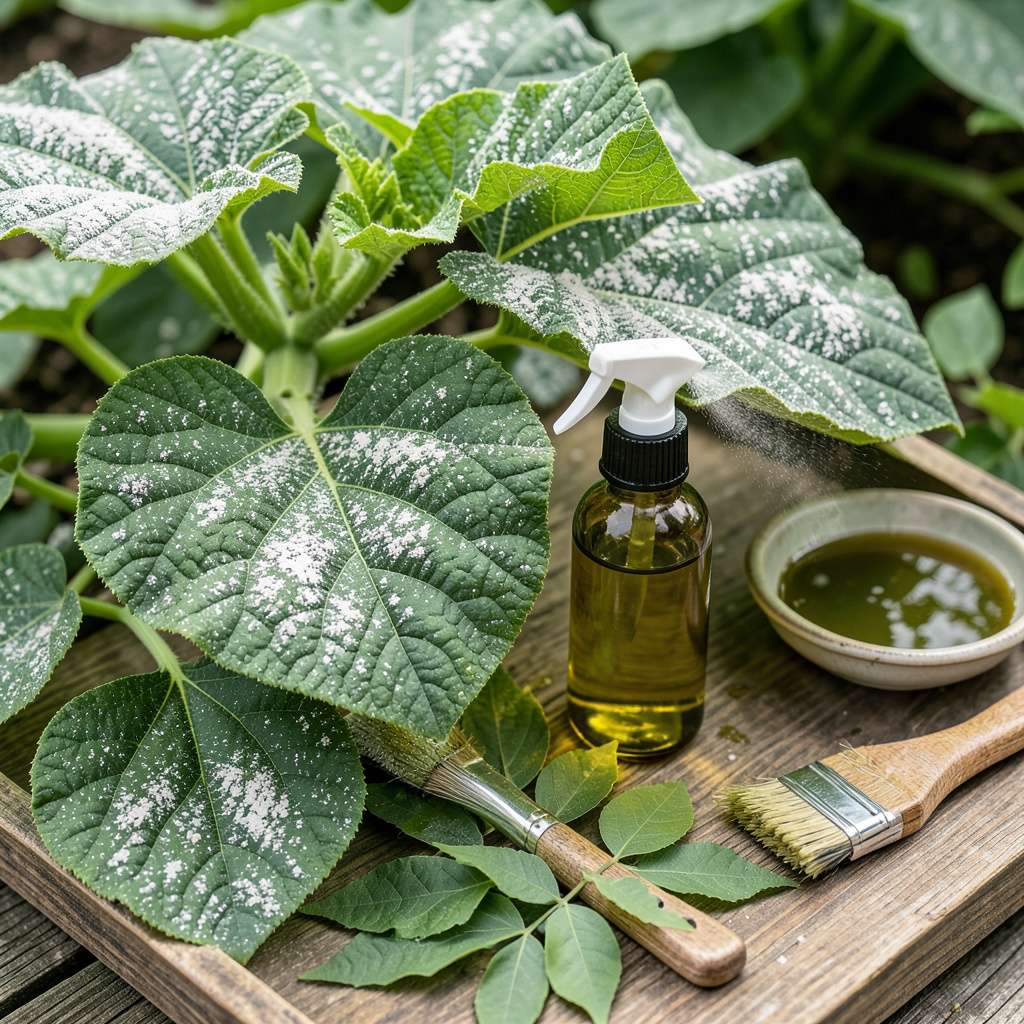
That white powder coating your leaves isn’t just unsightly—it’s actively stealing your plants’ vitality. I’ve battled powdery mildew in my garden for years, and neem oil became my secret weapon for stopping it without harsh chemicals. The difference is visible within 48 hours of the first application, with new growth emerging clean and healthy.
What makes neem oil so effective is its dual action: it smothers existing spores while preventing new ones from taking hold. Unlike synthetic fungicides, it won’t harm beneficial insects when used properly. My squash plants went from struggling to thriving after just two treatments, and the protection lasts through multiple rain showers.
You’ll need just three things: cold-pressed neem oil, a mild soap as emulsifier, and water. The mixing ratio is simple but precise—get it right and you’ll see results faster than with store-bought sprays. I keep a spray bottle mixed and ready for the first sign of trouble.
This method works for vegetables, flowers, and even houseplants. The key is consistency—apply every 7-10 days until the mildew disappears completely. Your plants will reward you with vigorous growth and that deep green color that signals true plant health.
📚 In This Guide
This method transforms your approach to fungal control—safe, effective, and plant-friendly for lasting results.
Begin by confirming the white, powdery coating on leaf surfaces is indeed powdery mildew, not dust or residue. Check the undersides of leaves where spores often start. I look for circular patches that spread rapidly in humid conditions—this distinguishes it from other issues like downy mildew or sun scorch.
Assess the coverage: if less than 30% of foliage shows symptoms, treatment will be straightforward. Above that threshold, you’ll need to combine neem oil with cultural changes (improved airflow, reduced evening watering) for full recovery. Don’t wait until leaves yellow—the fungus weakens plants significantly by that stage.
Mix 1 tablespoon of cold-pressed neem oil with 1 teaspoon of mild liquid soap (as an emulsifier) per 1 gallon of warm water. The soap helps disperse the oil evenly in water—without it, the oil separates and won’t coat leaves properly. I use a clean spray bottle dedicated only to horticultural oils to prevent contamination.
Shake vigorously for 30 seconds until the mixture appears uniformly cloudy. Test on a small leaf area first—some sensitive plants like impatiens may show phytotoxicity. If no browning appears within 24 hours, proceed with full application. Always prepare fresh solution; neem oil loses potency after 8 hours when mixed.
Spray all plant surfaces until just before runoff, focusing on undersides where spores concentrate. Use a fine mist setting to ensure complete coverage without damaging tender growth. I apply in early morning or late evening to prevent leaf burn from sun-oil interaction and allow maximum absorption time.
Reapply every 7-10 days for 3-4 weeks, or until no new mildew appears. This breaks the fungal life cycle. After rain or overhead watering, reapply immediately—water washes away the protective oil coating. You’ll notice existing mildew won’t disappear instantly, but new growth will emerge clean, indicating the treatment is working.
After eliminating active mildew, maintain protection with monthly neem applications during humid seasons. I thin crowded plants to improve airflow—powdery mildew thrives in stagnant, moist microclimates. Space plants according to their mature size (check tags for specific spacing requirements) and prune interior branches that block circulation.
Monitor susceptible plants weekly. At the first sign of white spots, treat immediately with your prepared neem solution. For chronic cases, alternate neem with baking soda sprays (1 tablespoon per gallon) to prevent resistance. Healthy plants with proper nutrition resist fungal attacks better, so maintain balanced fertilization—particularly with potassium-rich amendments that strengthen cell walls.
After years of battling powdery mildew in our own gardens, we’ve learned these key strategies that make all the difference in treatment success.
Solution Preparation: When mixing your neem oil solution in Step 2, use warm—not hot—water to help the oil emulsify properly. I’ve found that shaking for the full 30 seconds creates a uniformly cloudy mixture that clings better to leaves. Remember, the 1 tablespoon of neem oil to 1 gallon ratio is critical; too much oil can burn leaves, while too little won’t be effective against the fungus.
Application Timing: The early morning or late evening application in Step 3 isn’t just about avoiding sunburn—it’s when plant stomata are most receptive to absorption. I always check the weather forecast first; if rain is expected within 24 hours, I’ll delay treatment since water will wash away the protective coating before it can work fully.
Treatment Consistency: Don’t be discouraged if you don’t see immediate results. The 7-10 day reapplication schedule in Step 3 is designed to break the fungal life cycle. I mark my calendar for the full 3-4 week treatment period, even if symptoms seem to disappear earlier. This prevents resistant strains from developing.
Prevention Focus: While treating active outbreaks, I simultaneously implement the preventive measures from Step 4. Improving airflow by thinning plants and maintaining proper spacing reduces humidity around leaves—powdery mildew’s ideal growing condition. I’ve noticed that plants receiving balanced potassium fertilization show significantly less recurrence.
Apply neem oil every 7–14 days for active infections, or every 3–4 weeks as a preventive. Always spray in the early morning or late evening to avoid leaf burn. Reapply after rain, as water can wash it away. Consistency is key for best results!
Neem oil is safe for most plants, but avoid using it on delicate foliage (like ferns or some herbs) or newly transplanted seedlings. Always test a small area first. Edibles? Rinse thoroughly before eating!
If mildew persists, try combining neem oil with baking soda (1 tsp per gallon) or improving airflow around plants. Severe cases may need copper fungicide as a last resort. Remove heavily infected leaves to stop spread.
Yes! Try potassium bicarbonate sprays, sulfur-based fungicides, or milk sprays (1:9 milk-to-water ratio). For organic gardens, compost tea or garlic extract can also help. Rotate treatments to prevent resistance.
Start early spring before mildew appears, especially in humid climates. Focus on new growth and undersides of leaves. Stop applications 2–3 weeks before harvest for edibles. Pro tip: Pair with pruning for better results!
Neem oil is a powerful, natural solution for tackling powdery mildew without harsh chemicals. By applying it early and consistently, you can protect your plants while keeping your garden thriving and eco-friendly. 🌱
Ready to give it a try? Start with a small test spray on a few leaves, then expand to your entire garden. Your plants—and the environment—will thank you!
