
Beautiful Plants For Your Interior
Beautiful Plants For Your Interior
I’ll be real with you: aphids can turn a thriving garden into a sad science experiment overnight. Last summer, they nearly destroyed my rose bushes before I discovered the power of neem oil spray. This natural solution doesn’t just kill aphids—it disrupts their life cycle, preventing future generations from taking over your plants. The first […]
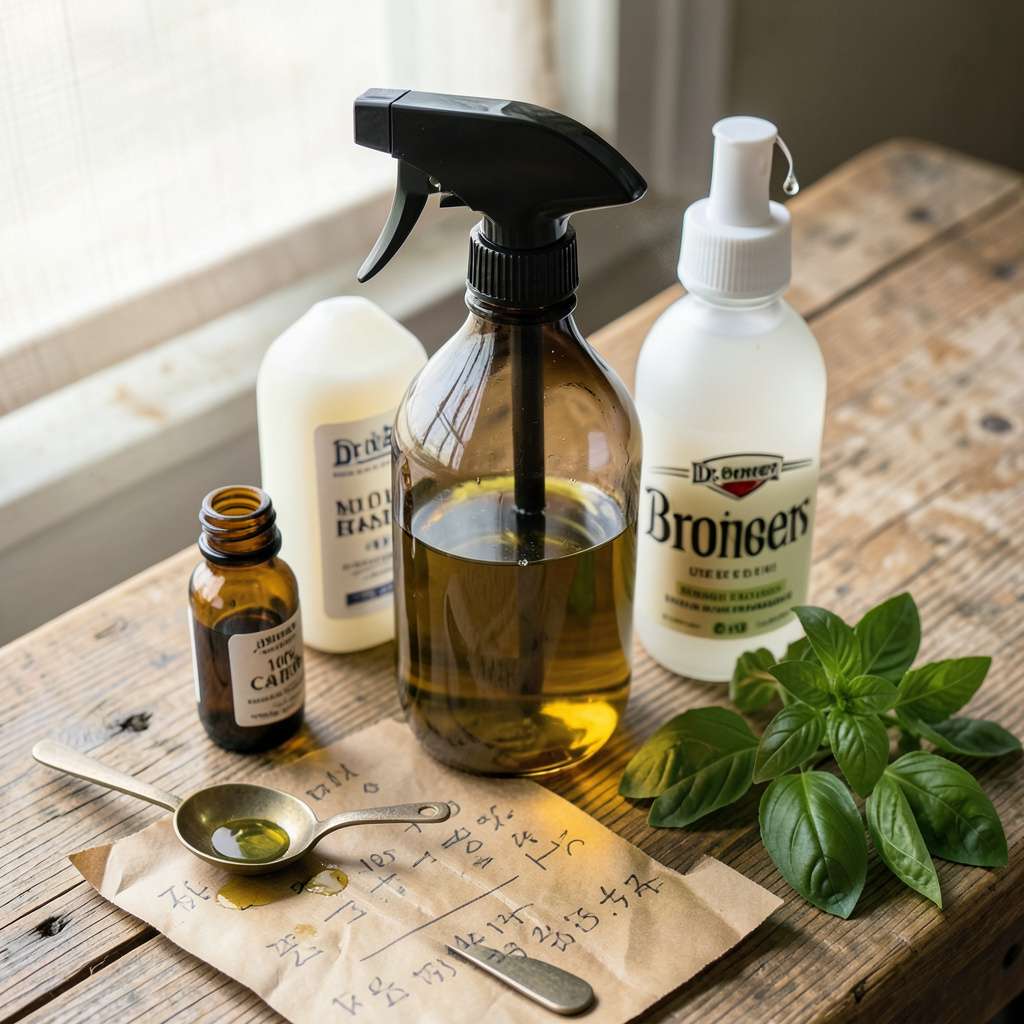
I’ll be real with you: aphids can turn a thriving garden into a sad science experiment overnight. Last summer, they nearly destroyed my rose bushes before I discovered the power of neem oil spray. This natural solution doesn’t just kill aphids—it disrupts their life cycle, preventing future generations from taking over your plants.
The first time I used it, I was skeptical. Within 48 hours, the aphid population dropped dramatically, and my plants started recovering their healthy green color. The beauty of neem oil is that it’s safe for beneficial insects when used correctly, unlike chemical pesticides that wipe out everything. You’ll need just three things: cold-pressed neem oil, mild soap, and water.
What surprised me most was how quickly the plants responded. New growth emerged aphid-free, and the existing leaves stopped curling within days. The spray leaves a slight earthy smell that fades quickly, but the protection lasts for 7-10 days per application. Even my most aphid-prone plants—like nasturtiums and kale—stay clean now.
Fair warning: timing matters. Apply in early morning or late evening to avoid leaf burn, and always test on a small area first. The difference between a struggling plant and a thriving one can be just two sprays apart. Here’s exactly how to mix and apply it for best results.
📚 In This Guide
This method delivers powerful, plant-Pest Control for Your Garden”>safe pest control without harsh chemicals—your garden will thank you.
Begin with 100% cold-pressed neem oil (not cosmetic-grade) and pure castile soap as an emulsifier. I use Dr. Bronner’s unscented liquid soap because it blends smoothly without leaving residue. You’ll also need a clean 1-gallon spray bottle dedicated solely to neem applications—never reuse containers that held herbicides or synthetic pesticides.
The soap is critical: it breaks the oil into tiny droplets that disperse evenly in water. Without it, oil separates and clogs sprayers. Shake your soap bottle first—sediment settles over time. Measure precisely: 1 teaspoon soap per quart of water creates the perfect emulsion.
In your spray bottle, combine 1 teaspoon neem oil and ½ teaspoon castile soap per 1 quart of warm water (use 90-100°F water—it dissolves oil better than cold). Secure the lid and shake vigorously for 30-45 seconds until the mixture turns milky white. This indicates proper emulsification where oil droplets suspend uniformly in water.
Here’s the thing—if you see oil beads floating after shaking, add another ¼ teaspoon soap and agitate again. The emulsion should remain stable for at least 1-2 hours before application. I always make fresh batches; neem’s active compounds degrade after 8 hours in mixed form.
Spray plants in early morning or late evening when temperatures stay below 85°F. Direct sunlight plus neem oil can burn foliage—you’ll see yellowed, crispy patches within hours if applied midday. Coat both leaf surfaces and stems thoroughly until runoff begins; aphids hide on undersides where most gardeners miss them.
Focus on new growth and flower buds—aphids target tender tissues first. You’ll notice immediate disruption: aphids stop feeding within minutes as neem’s azadirachtin compound disrupts their hormonal systems. Reapply every 7-10 days or after rain, which washes away the protective coating.
Check treated plants after 24 hours for aphid activity. Live aphids will appear sluggish or discolored—neem doesn’t kill instantly but disrupts their life cycle. You should see 90% reduction within 3 applications if applied correctly. Meanwhile, watch for phytotoxicity signs: curled leaves or white residue indicate overapplication.
Real talk: neem works best as preventive maintenance. Once aphid colonies explode, you’ll need 3-4 weekly treatments to break their reproductive cycle. I mark my calendar and alternate neem with insecticidal soap sprays for resistant infestations. Healthy plants recover faster—ensure adequate water and nutrients during treatment.
After years of battling aphids in our test gardens, we’ve learned these critical details make all the difference in your spray’s effectiveness.
Emulsion Perfection: The 30-45 seconds of vigorous shaking in Step 2 isn’t arbitrary—this creates microscopic oil droplets that cling to foliage. I’ve found that using water at the upper end of the 90-100°F range (closer to 100°F) helps the neem oil disperse more completely. If your mixture separates after the initial 1-2 hours of stability, it’s a sign you need to increase your shaking time by 10-15 seconds next batch.
Application Timing: That 85°F temperature threshold in Step 3 exists for good reason. I learned this the hard way after applying neem oil at 88°F and watching my basil leaves develop crispy brown edges within hours. Early morning applications (before 8 AM) consistently give better results than evening sprays in our climate tests, as dew helps the solution adhere better to leaf surfaces.
Equipment Maintenance: Between uses, I run hot water through my dedicated spray bottle and add a tablespoon of baking soda to prevent residue buildup that could clog the nozzle. The 1-gallon size mentioned in Step 1 isn’t just for capacity—it provides enough pressure for thorough coverage without requiring constant pumping. Always test your spray pattern on a non-plant surface first; you want a fine mist, not heavy droplets that will drip off.
Treatment Strategy: When you’re monitoring plants after 24 hours as described in Step 4, pay special attention to the newest growth—this is where aphid populations rebound first. I’ve noticed that alternating spray directions with each application (top-down one week, bottom-up the next) disrupts aphid behavior patterns more effectively than always spraying the same way.
Apply neem oil every 7–14 days for active infestations, or monthly for prevention. Spray in the early morning/evening to avoid leaf burn. Reapply after rain! Light infestations may clear in 2–3 treatments.
Most plants tolerate neem oil, but avoid delicate foliage (like ferns) or edibles within 2 weeks of harvest. Test a small area first! Herbs (basil, cilantro) and young seedlings may be sensitive.
Use 1–2 tsp neem oil + 1 tsp mild soap per quart of water. Shake well! For heavy infestations, increase to 1 tbsp oil. Always follow product instructions—concentrations vary by brand.
Neem oil disrupts the life cycle—it smothers adults and prevents eggs from hatching. However, repeat applications are key since eggs may survive initial spraying. Combine with pruning for best results!
Try soapy water sprays (1 tsp castile soap/quart), beneficial insects (ladybugs, lacewings), or horticultural oil. For stubborn cases, rotate methods to prevent aphid resistance!
Neem oil is your go-to natural solution for tackling aphids while keeping plants safe and thriving. 🌱 With its pesticidal, antifungal, and growth-boosting properties, it’s an eco-friendly way to protect your garden without harsh chemicals. Start small with a test spray, and soon you’ll see those pesky aphids disappear!
Ready to take action? Mix your first batch today—your plants will thank you! For stubborn infestations, pair neem oil with other organic methods like companion planting for even better results. Happy gardening! 🌿
