
Beautiful Plants For Your Interior
Beautiful Plants For Your Interior
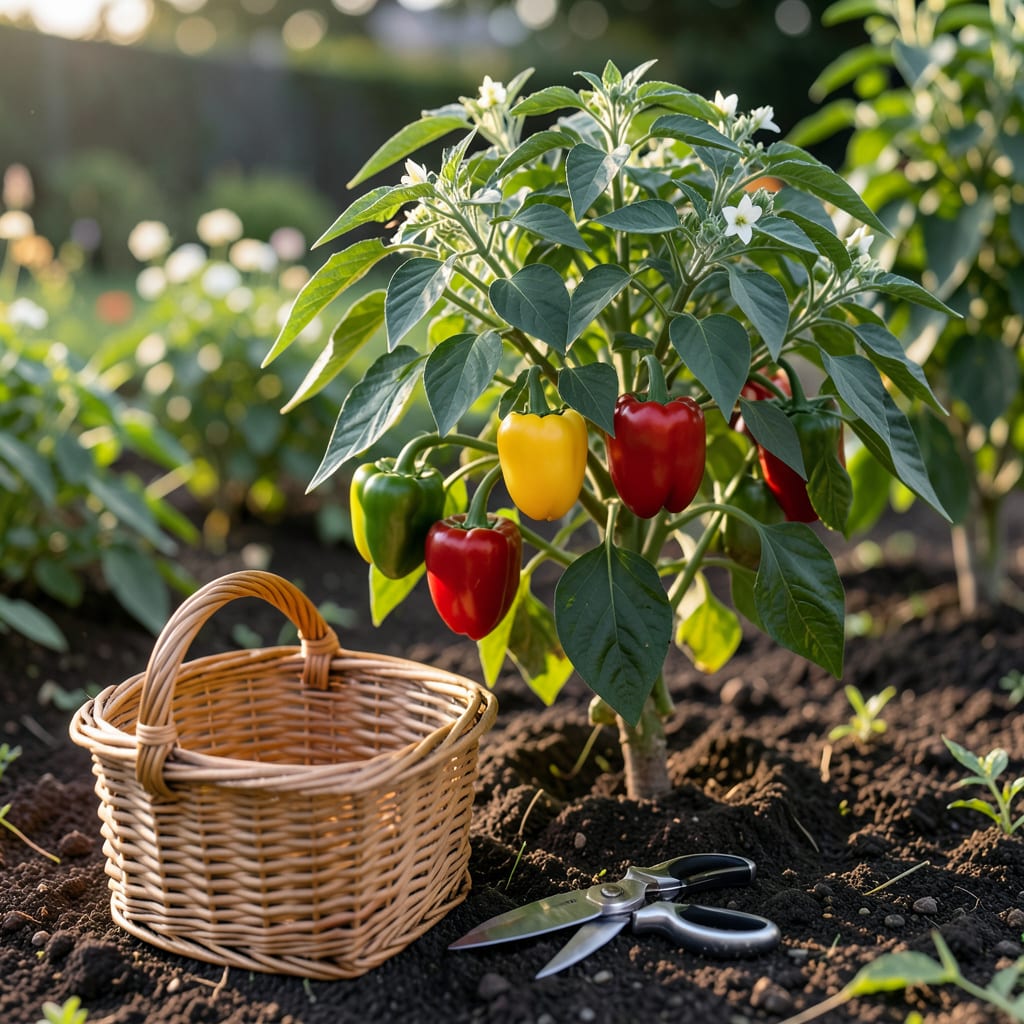
Nothing beats the satisfaction of plucking a perfectly ripe 🌶️ Bell Pepper from your own garden. But how do you know when it’s truly ready?
I’ll show you the key signs to watch for—from color changes to size—that guarantee you’ll harvest at peak flavor every time.


I’ve found that bell peppers give clear signals when they’re ready for harvest. The most obvious sign is color change, but size and texture matter just as much for peak flavor and quality.
Most varieties start green and mature to red, yellow, or orange depending on the type. The time from planting to harvest typically ranges from 60 to 90 days, but this varies by cultivar.
| Indicator | Green Peppers | Colored Peppers |
| Days to Maturity | 60-70 days | 70-90 days |
| Color | Full green | Red/Yellow/Orange |
| Size | 3-4 inches | 3-5 inches |
| Texture | Firm and glossy | Firm and glossy |
For green bell peppers, I look for a deep green color and a firm texture. They should feel heavy for their size and have a glossy skin that reflects light.
Colored varieties like red, yellow, or orange need more time. I wait until they’ve fully transitioned from green to their mature color. A bright red bell pepper, for example, is sweeter than its green counterpart.
Size is another key factor. Most bell peppers reach 3 to 5 inches in length when ready. I measure them against my hand – if they’re about the size of my palm, they’re likely ready for picking.
The stem should be green and healthy, not brown or withered. I gently squeeze the pepper – it should feel solid with no soft spots, which indicate overripeness or rot.
I always check the days to maturity listed on the seed packet. For example, ‘California Wonder’ takes about 75 days to mature. Counting from transplant date helps me estimate the harvest window.
Weather plays a role too. In hotter climates, peppers may mature faster. I’ve noticed that consistent watering helps prevent issues like blossom end rot, which can affect ripening.
For the best flavor, I harvest in the morning when temperatures are cooler. This helps the peppers retain their crispness. I use pruning shears or twist gently by hand to avoid damaging the plant.
Remember that bell peppers continue to ripen off the vine, but they won’t develop the same sweetness or color intensity as those left to mature fully on the plant. ☀️
I’ve seen many gardeners rush the harvest or wait too long, and both can hurt your bell pepper yield. Picking too early means smaller, less flavorful peppers.
Leaving them too long on the vine can lead to overripe peppers that attract pests or split open.
⚠️ Avoid These Harvesting Pitfalls
❌ Picking too early results in underdeveloped peppers with poor flavor and texture.
❌ Using dull tools can damage plants and reduce future yields.
❌ Ignoring stem health may lead to plant disease or weak growth.
Another common mistake is using improper tools. Always use sharp pruners or scissors to avoid tearing the plant.
I recommend checking peppers daily once they near maturity. A gentle twist is often enough to remove them without harming the plant.
Also, avoid harvesting in wet conditions. Wet peppers can spread disease and are harder to store properly.
Finally, don’t neglect post-harvest care. Store peppers in a cool, dry place to extend their freshness and flavor. ☀️
I always recommend harvesting bell peppers when they reach full size and display their mature color. This ensures the best flavor and texture. Most varieties take 75-90 days from planting to reach this stage.
To avoid damaging the plant, I use clean pruners or gently twist the pepper until it snaps off. Never pull, as this can harm the plant’s delicate stems and reduce future yields.
After picking, I store my peppers in the refrigerator in a paper bag to maintain humidity without causing rot. They’ll typically last 1-2 weeks when stored this way.
For longer storage, I freeze peppers by first blanching them for 2-3 minutes, then cooling in ice water. This preserves their color and texture for months.
Remember that regular harvesting encourages more production. I check my plants every 2-3 days during peak season to catch peppers at their prime. ✂️
Look for a deep, uniform green color and firm texture. It should feel heavy and have a glossy skin that reflects light. Size matters too—most reach 3-4 inches when ready.
These colors indicate full maturity. Red, yellow, and orange varieties develop sweeter flavors as they ripen. Green peppers left on the vine will often change color if given enough time.
Overripe peppers may become soft, attract pests, or split open. They can also develop an off flavor. Harvest when they reach mature size and color for the best taste.
Use sharp pruners or scissors for a clean cut. Alternatively, gently twist the pepper until it snaps off. Never pull, as this can damage the plant and reduce future yields.
