
Beautiful Plants For Your Interior
Beautiful Plants For Your Interior
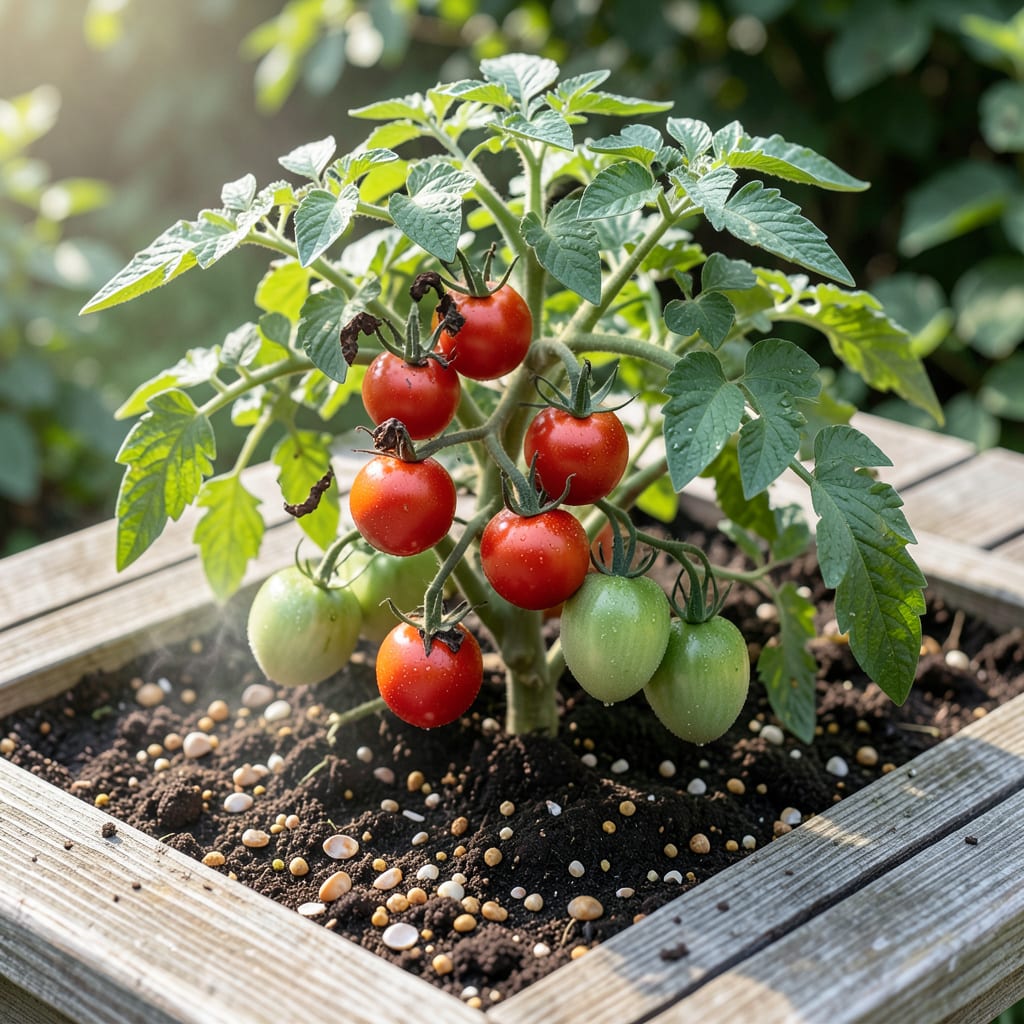
Nothing kills summer excitement like spotting black bottoms on your ripening tomatoes. I lost half my harvest to blossom end rot last season before figuring out the root cause.
Turns out this frustrating issue usually stems from calcium deficiency, but it’s not always about what’s missing in your soil. Uneven watering, rapid growth, or even too much nitrogen can trigger the same symptoms.
You’ll notice dark, leathery patches forming on the blossom end of developing fruit. The good news is it’s fixable in days with the right approach, and prevention is even simpler.
Works for all tomato varieties, whether you’re growing in containers or in-ground. Here’s how to stop it in its tracks.
Blossom end rot in tomatoes is primarily triggered by calcium deficiency in the developing fruit, but several underlying factors can disrupt calcium uptake or distribution. Here’s a breakdown of the most common causes:
Even if your soil contains calcium, uneven moisture levels can prevent roots from absorbing it. Dry spells followed by heavy watering create fluctuations that hinder calcium transport to the fruit. Sandy or highly acidic soils (pH below 6.0) also reduce calcium availability, as the nutrient becomes less soluble.
Tomatoes need steady moisture—too little or too much stress the plant. Drought stress forces the plant to prioritize survival over fruit development, while overwatering can leach calcium from the root zone. Fluctuating soil moisture is a top culprit for blossom end rot, especially during rapid fruit growth.
During periods of vigorous growth (e.g., after heavy nitrogen fertilization), the plant may outpace its ability to supply calcium to the fruit. Calcium is immobile in the plant—once deposited in new growth, it can’t be redistributed to developing tomatoes, leading to localized deficiencies.
Heatwaves or cold snaps disrupt calcium uptake. High temperatures increase transpiration, reducing water (and calcium) flow to the fruit. Conversely, cold soil slows root activity, limiting nutrient absorption. Shade cloth or row covers can help stabilize conditions.
Over-fertilization with nitrogen or potassium can create nutrient imbalances, while root damage (from cultivation or transplant shock) reduces the plant’s ability to absorb calcium. Mulching and avoiding deep hoeing near roots can prevent this.
Blossom end rot can be frustrating, but these targeted fixes will help your tomatoes recover—and prevent future issues. 🌱
Inconsistent watering disrupts calcium uptake. Water deeply 1–2 times per week (or daily in extreme heat) to keep soil evenly moist. Use drip irrigation or soaker hoses to deliver water directly to roots and avoid wetting foliage. Mulch with straw or wood chips to retain moisture and reduce evaporation.
For a quick fix, apply a calcium spray (like calcium chloride or calcium nitrate) directly to leaves. Mix 1 tablespoon of calcium chloride per gallon of water and spray in the early morning or late evening. For a soil boost, work crushed eggshells, gypsum, or lime into the top 6 inches of soil. Avoid high-nitrogen fertilizers, as they can worsen the imbalance.
Tomatoes thrive in soil with a pH of 6.0–6.8. Test your soil with a kit, and amend if needed: Add lime to raise pH or sulfur to lower it. Work amendments into the soil before planting or as a side dressing for existing plants.
With these adjustments, your tomatoes will bounce back—and stay healthy all season! 🍅✨
Yes! Overwatering can leach calcium from the soil and create uneven moisture levels, disrupting calcium uptake. Stick to deep, consistent watering to maintain stable soil moisture.
With foliar calcium sprays, you may see new growth improving within 3-5 days. Soil amendments take longer, about 2-3 weeks, as roots absorb the nutrients gradually.
Eggshells help but decompose slowly. Crush them finely and mix into soil at planting. For immediate needs, use gypsum or lime for faster calcium availability.
No, some varieties like ‘Roma’ or ‘Celebrity’ show better resistance. However, even resistant types can develop issues under extreme stress.
