
Beautiful Plants For Your Interior
Beautiful Plants For Your Interior
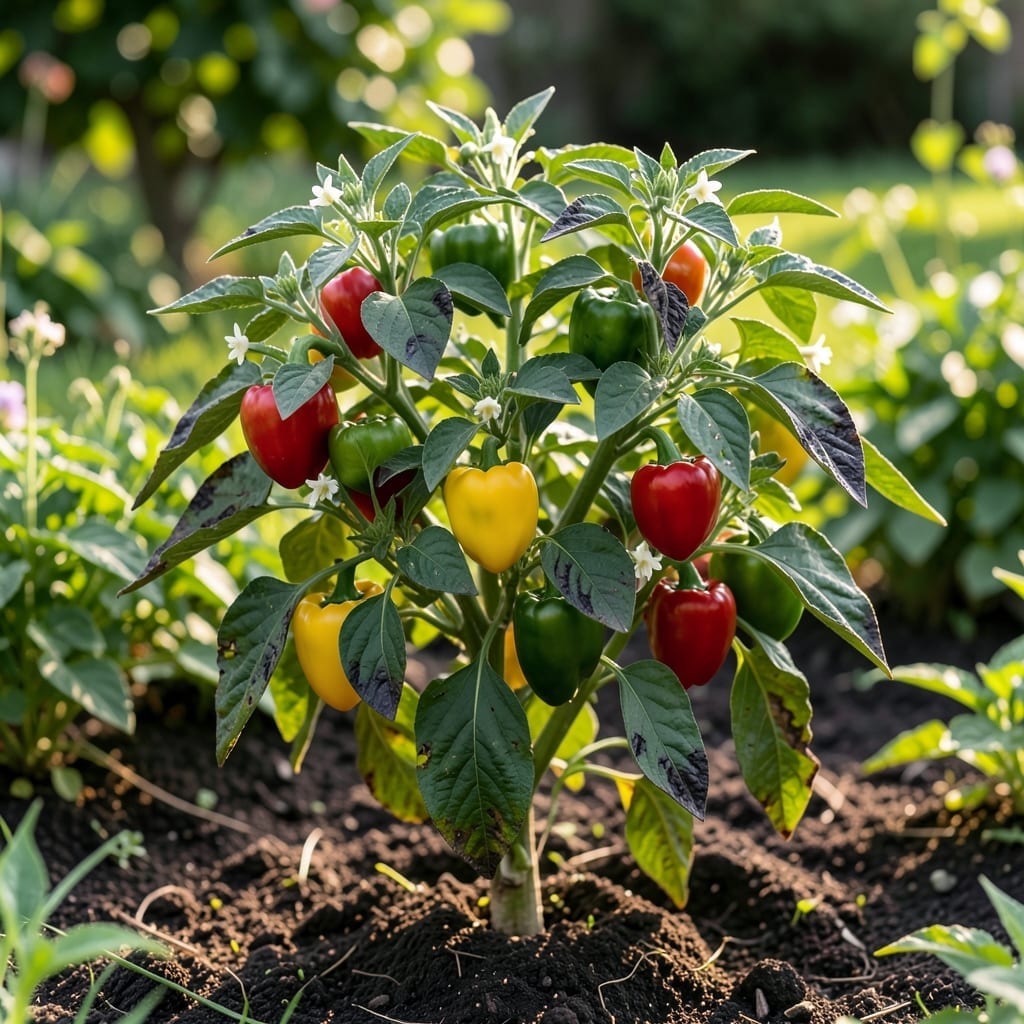
That moment you notice black spots spreading across your pepper leaves hits different. It happened to my prized jalapeños last summer—turns out the fix was simpler than I feared.
Most black discoloration comes from three culprits: fungal disease, pest damage, or environmental stress. The good news? Each leaves distinct clues if you know where to look. I learned to check stems first—soft black spots usually mean rot, while dry patches often signal sunburn.
Within 48 hours of removing affected leaves and adjusting watering, my plants stopped spreading the damage. Organic solutions like neem oil or baking soda spray work fast when applied at the first sign of trouble.
Prevention beats treatment every time. Proper spacing, morning watering, and consistent moisture checks keep most blackening issues from starting. Here’s how to diagnose and fix it.
When your pepper plant starts turning black, it’s often a sign of environmental stress or disease. Here are the most common causes, explained scientifically and with actionable insights:
Excess water suffocates the roots, cutting off oxygen supply and leading to root rot. Fungal pathogens like Phytophthora thrive in soggy soil, causing blackened stems and leaves. Fix it: Ensure pots have drainage holes and use well-draining soil mixes with perlite or sand.
Peppers are sensitive to cold snaps (below 55°F) and heat spikes (above 90°F). Cold damage causes blackened, mushy foliage, while heat stress leads to leaf scorch. Fix it: Use row covers for cold nights and shade cloth for excessive heat.
Diseases like Alternaria leaf spot or bacterial leaf spot create dark, water-soaked patches that turn black. These spread in humid conditions with poor airflow. Fix it: Prune affected leaves, improve ventilation, and apply copper-based fungicides.
Too much nitrogen or a calcium deficiency (blossom end rot) can cause blackening on leaves or fruit. Over-fertilization burns roots, while calcium shortages disrupt cell walls. Fix it: Test soil pH (aim for 6.0–6.8) and add crushed eggshells or gypsum for calcium.
Pro tip: Always sterilize pruning tools to prevent spreading pathogens between plants!
Here’s how to tackle each cause of blackening in your pepper plants with simple, organic solutions:
Fix: Let the soil dry out between waterings. Repot the plant in a well-draining mix with perlite or sand to improve aeration. Ensure pots have drainage holes. Trim any black, mushy roots with sterilized scissors.
Prevention: 💡 Water only when the top inch of soil feels dry. Use terracotta pots to wick away excess moisture.
Fix: Remove infected leaves or stems immediately to prevent spread. Spray the plant with a copper fungicide or a DIY mix of 1 tsp baking soda + 1 quart water + a few drops of dish soap. Apply in the early morning.
Prevention: 🌡️ Space plants for airflow, avoid overhead watering, and clean up garden debris. Rotate crops yearly.
Fix: Move potted peppers to a shadier spot during peak afternoon hours. For in-ground plants, use shade cloth (30-50%) to filter intense sunlight. Mist leaves lightly to cool them down.
Prevention: ✨ Acclimate seedlings gradually to direct sun. Mulch around the base to retain soil moisture and regulate temperature.
Fix: Blast aphids or mites off with a strong water spray. Apply neem oil or insecticidal soap, focusing on leaf undersides. Introduce beneficial insects like ladybugs for natural control.
Prevention: 🎯 Inspect plants weekly for early signs of pests. Companion plant with basil or marigolds to repel invaders.
Fix: Flush the soil with water to remove excess salts from overfeeding. For deficiencies, amend with compost or a balanced organic fertilizer. Test soil pH (aim for 6.0–6.8) and adjust with lime or sulfur as needed.
Prevention: 🌱 Feed peppers lightly every 2–3 weeks during growing season. Avoid high-nitrogen fertilizers, which can reduce fruiting.
No, once leaves turn completely black, they won’t recover. Remove them immediately to prevent spreading. Focus on improving growing conditions so healthy leaves can thrive.
Disease causes irregular black patches, often with yellow halos. Sunburn appears as crispy, dry edges on the most exposed leaves. Check the pattern and location for clues.
Only if the blackening is from sunburn or blossom end rot. Discard peppers with mushy black spots or signs of fungal disease to avoid health risks.
Water when the top 1-2 inches of soil feel dry. Overwatering is a leading cause. Use your finger to test moisture levels regularly.