
Beautiful Plants For Your Interior
Beautiful Plants For Your Interior
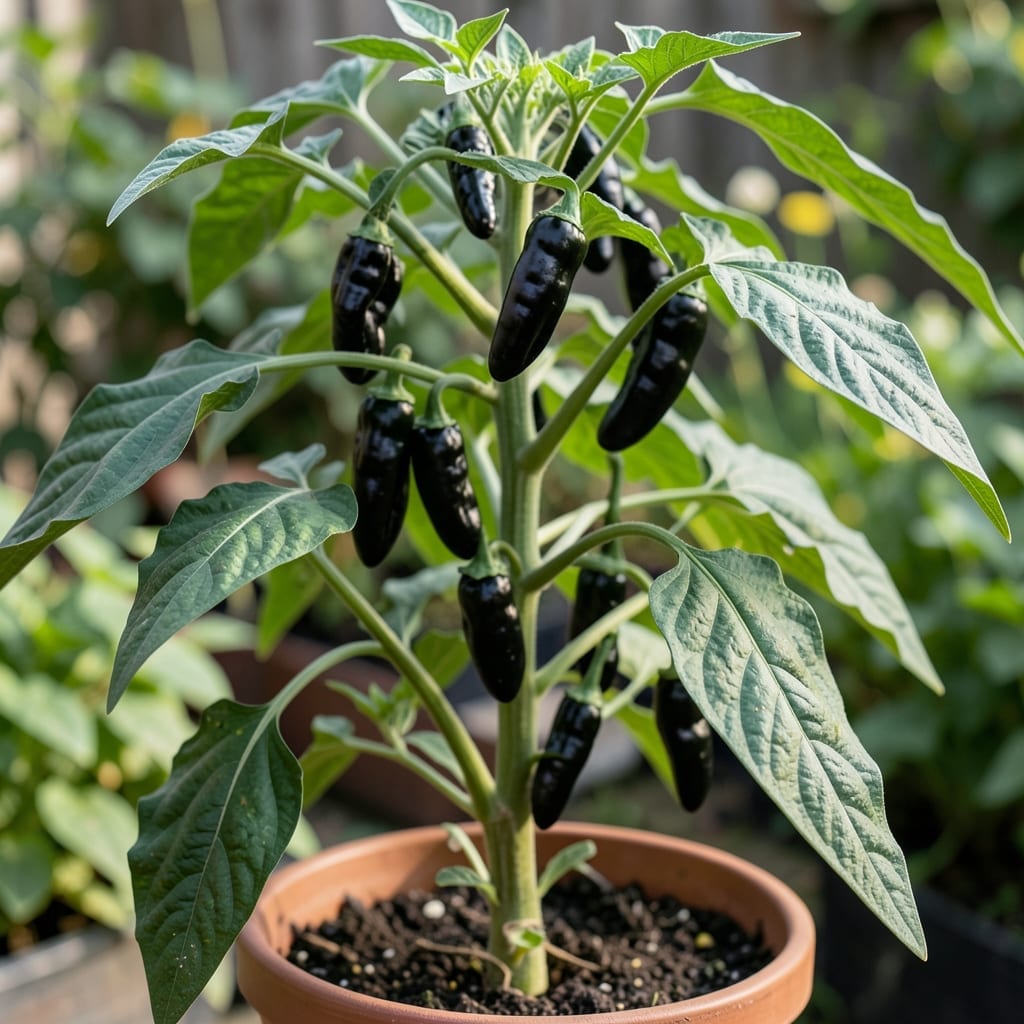
Those black spots on your pepper stems aren’t just ugly—they’re a warning. I’ve seen healthy plants go downhill fast when this goes untreated.
Early action saves the harvest. Whether it’s fungus, bacteria, or stress, the right organic fix can stop the spread and get your plants back on track.
Quick fixes for stressed peppers. Most supplies are already in your shed.
| Ingredient | Amount | Notes |
|---|---|---|
| Neem Oil 🌿 | 1 piece | Cold-pressed organic |
| Baking Soda 🌾 | 1 tbsp | Food-grade for safety |
| Water 💧 | 1 gallon | Room temperature |
| Copper Fungicide ☀️ | 1 piece | Organic option preferred |
| Pruning Shears ✂️ | 1 piece | Sterilized with alcohol |
| Compost Tea 🌱 | 1 gallon | Homemade or store-bought |
| Garden Gloves 🪴 | 1 piece | Nitrile for chemical handling |
| Spray Bottle 💦 | 1 piece | Adjustable nozzle |
[recipe_ingredient_scaler]
Neem oil and copper fungicide are your best bets here. Garden centers like Home Depot or Lowe’s stock both—just check the label for OMRI certification (organic standard). I grab mine from local nurseries for fresher stock. Baking soda is grocery-store cheap but works like a charm for mild cases.
No neem oil? A baking soda and water spray (1 tbsp per gallon) slows fungal spread. Copper fungicide can be pricey, but a small bottle lasts years. Skip the copper if you’re strictly organic—compost tea boosts plant immunity naturally (and doubles as fertilizer).
Store neem oil and copper fungicide in a cool, dark place—they degrade in heat. Pruning shears stay sharp if wiped with oil after use. I keep a dedicated spray bottle for treatments to avoid cross-contamination.
Here’s the organic treatment plan I use to stop black spots and restore plant health.
Put on the garden gloves and use the pruning shears to cut away stems with black spots. Remove at least 2 inches below the visible damage to ensure you get all infected tissue. Sterilize the shears between cuts by wiping with rubbing alcohol to prevent spreading the pathogen.
Inspect the entire plant, including the undersides of leaves where spots may hide. Don’t compost the removed material—seal it in a bag and discard it in the trash to avoid contaminating your compost pile.
Mix the copper fungicide according to the package instructions using the gallon of water. Pour it into the spray bottle and adjust the nozzle to a fine mist. Coat all surfaces of the plant, including stems and both sides of leaves, until lightly dripping.
Apply in the early morning so leaves dry before evening. Reapply every 7-10 days or after rain. Copper works by creating a protective barrier, so thorough coverage is key for effectiveness.
Use the gallon of compost tea as a soil drench or foliar spray to boost your plant’s natural defenses. The beneficial microbes in compost tea help outcompete disease-causing organisms and improve overall plant vigor.
Apply the compost tea 2-3 times per week until you see new, healthy growth. Water the plant at the base first, then use the remaining tea as a light foliar spray. Avoid applying in direct sunlight to prevent leaf burn.
Combine the neem oil and baking soda with water in the spray bottle for a preventative treatment. Use 1 tsp neem oil and the tbsp of baking soda per gallon of water. Shake well before each use, as the oil will separate.
Spray the entire plant every 5-7 days as a protective measure. Neem oil disrupts fungal life cycles while baking soda changes the pH on leaf surfaces, making it harder for pathogens to take hold. Always apply in the evening to avoid leaf burn from the oil in direct sunlight.
To diagnose and treat black spots on pepper plant stems, start with a hand lens (10x magnification) for close inspection. A pruning shear, like Felco F-2, ensures clean cuts to remove infected parts without further damage. 🌱
Disposable gloves and a spray bottle for organic treatments (e.g., neem oil) are also essential. These basics help you tackle the issue efficiently and safely.
A soil pH meter (e.g., Luster Leaf 1601) helps monitor soil health, as imbalances can contribute to plant stress. A UV flashlight can reveal hidden fungal spores under certain conditions. 💡
For larger gardens, consider a backpack sprayer for even application of treatments. These tools streamline the process and improve precision.
If you’re on a budget, a magnifying glass from a dollar store works instead of a hand lens. Household scissors can replace pruning shears if sanitized properly between uses.
DIY solutions like a baking soda spray (1 tsp baking soda + 1 quart water) can substitute for commercial fungicides. These options keep costs low while addressing the problem effectively. ✨