
Beautiful Plants For Your Interior
Beautiful Plants For Your Interior
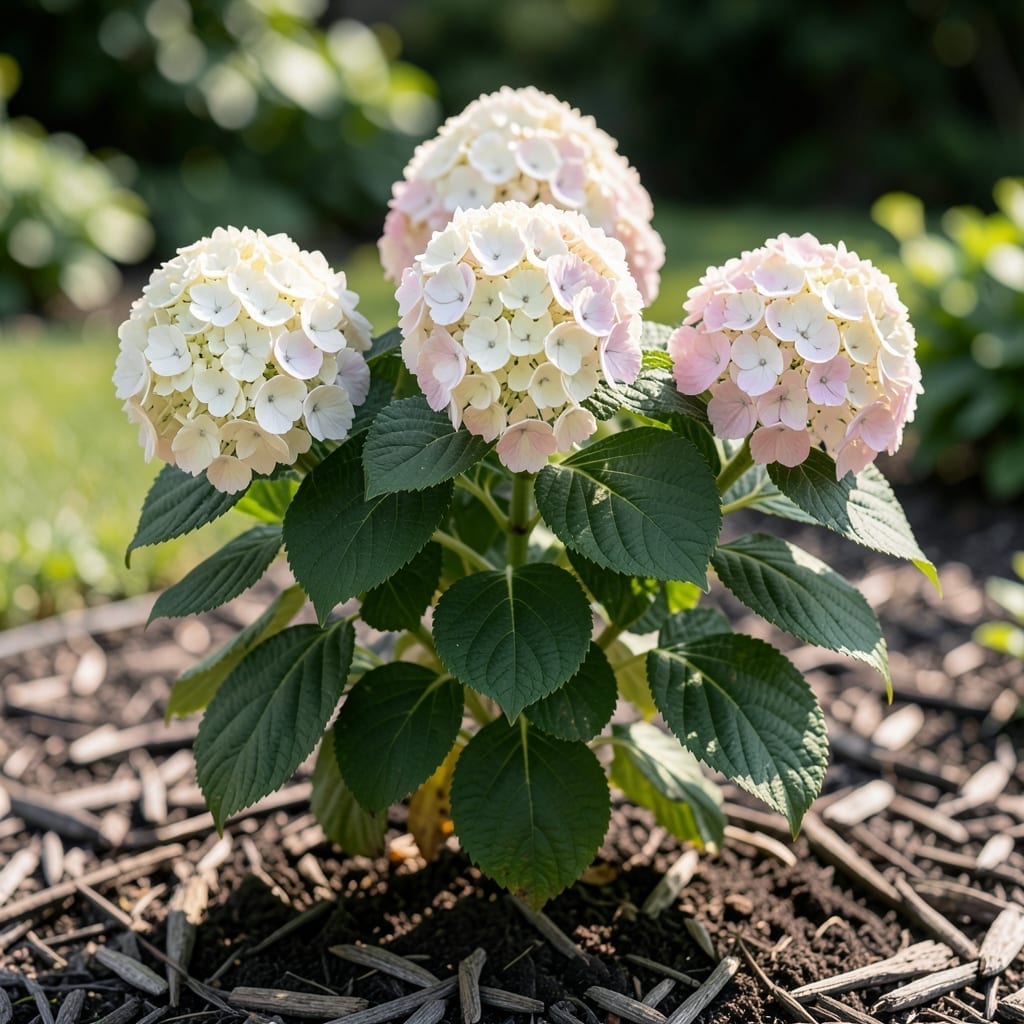
Yellowing leaves on your panicle hydrangea usually mean one of three things: too much water, not enough light, or hungry soil. I’ve seen all three in my own garden and fixed them with simple adjustments.
Spot the issue early and you’ll have lush green foliage again in weeks. Regular checks and a little preventative care keep problems from spreading to the whole plant.
📚 In This Guide
Try these straightforward solutions first when your hydrangea leaves start looking off.
Check the soil pH with a simple test kit from any garden center. When leaves turn yellow between green veins, it often signals iron deficiency caused by alkaline soil above pH 7.0. I keep a few test strips on hand for quick checks.
Lower the pH naturally by working elemental sulfur into the top 6 inches of soil around the plant. You’ll see improvement in 2-3 weeks as new growth emerges with proper color. Avoid aluminum sulfate—it can burn roots if overapplied.
Brown crispy edges usually mean underwatering or salt buildup from fertilizers. Stick your finger 2 inches into the soil—if it feels dry, water deeply until moisture reaches 6-8 inches down. I water at the base, not over leaves, to prevent fungal issues.
If the soil stays moist but edges still brown, flush the root zone with water to remove excess salts. Do this by slowly running a hose at the base for 10-15 minutes. Repeat every 2 weeks until new growth looks healthy.
This white fungal coating thrives in humid conditions with poor air circulation. Remove affected leaves immediately and dispose of them in the trash, not compost. I prune out crowded stems to open the center for better airflow.
Spray remaining leaves with a solution of 1 tablespoon baking soda and 1 teaspoon dish soap in 1 gallon of water. Apply in the morning so leaves dry quickly. Reapply every 7-10 days until the issue clears.
Sudden wilting often indicates underwatering or root problems. First, check soil moisture as described in Step 2. If the soil is moist but leaves still wilt, roots may be damaged by rot or compaction. Gently loosen the top 1-2 inches of soil to improve oxygen flow.
For severe cases, trim back one-third of the foliage to reduce stress on the plant. This seems drastic, but it helps the hydrangea focus energy on recovery. New growth should appear within 3-4 weeks if the roots are still viable.
During heatwaves, leaves can develop brown patches or curl at the edges. Provide afternoon shade with a light fabric cover or by planting in a location with dappled sunlight. I use a 30% shade cloth for my hydrangeas during the hottest part of summer.
Mulch around the base with 2-3 inches of organic matter to keep roots cool and retain moisture. Water deeply in the early morning so the plant has time to absorb moisture before the heat peaks.
Small adjustments make a big difference when troubleshooting hydrangea leaves.
Testing Accuracy: In Step 1, use a soil pH test kit first thing in the morning when soil moisture is most consistent. I’ve found that testing after watering can give false readings—wait until the soil is moderately dry but not bone-dry for the most accurate pH results.
Flushing Technique: For Step 2, when flushing salts from the root zone, use lukewarm water rather than cold. Cold water can shock the roots, while lukewarm helps dissolve and carry away excess salts more effectively during that 10-15 minute flush.
Application Timing: In Step 3, applying the baking soda and dish soap spray early in the day is crucial. Morning application allows leaves to dry quickly in the sun, preventing the fungal issues that moisture can cause. Reapplying every 7-10 days ensures continuous protection without overloading the plant.
Recovery Patience: For Step 4, trimming back one-third of the foliage might feel extreme, but it’s a lifesaver for stressed plants. I’ve seen hydrangeas bounce back with vibrant new growth within exactly 3-4 weeks when this method is followed precisely.
Yellow leaves often signal overwatering or poor drainage. Check soil moisture—let it dry slightly between waterings. Nutrient deficiencies (like nitrogen) or excessive sun exposure can also cause this.
Prune in late winter or early spring before new growth starts. Panicle hydrangeas bloom on new wood, so trimming old growth encourages vibrant blooms and healthy foliage.
Yes! Neem oil is a natural remedy for pests like aphids or powdery mildew. Mix with water and spray evenly on leaves, but avoid direct sun application to prevent burning.
Brown spots may indicate fungal diseases (e.g., leaf spot) or underwatering. Improve airflow, avoid overhead watering, and remove affected leaves to prevent spread.