
Beautiful Plants For Your Interior
Beautiful Plants For Your Interior
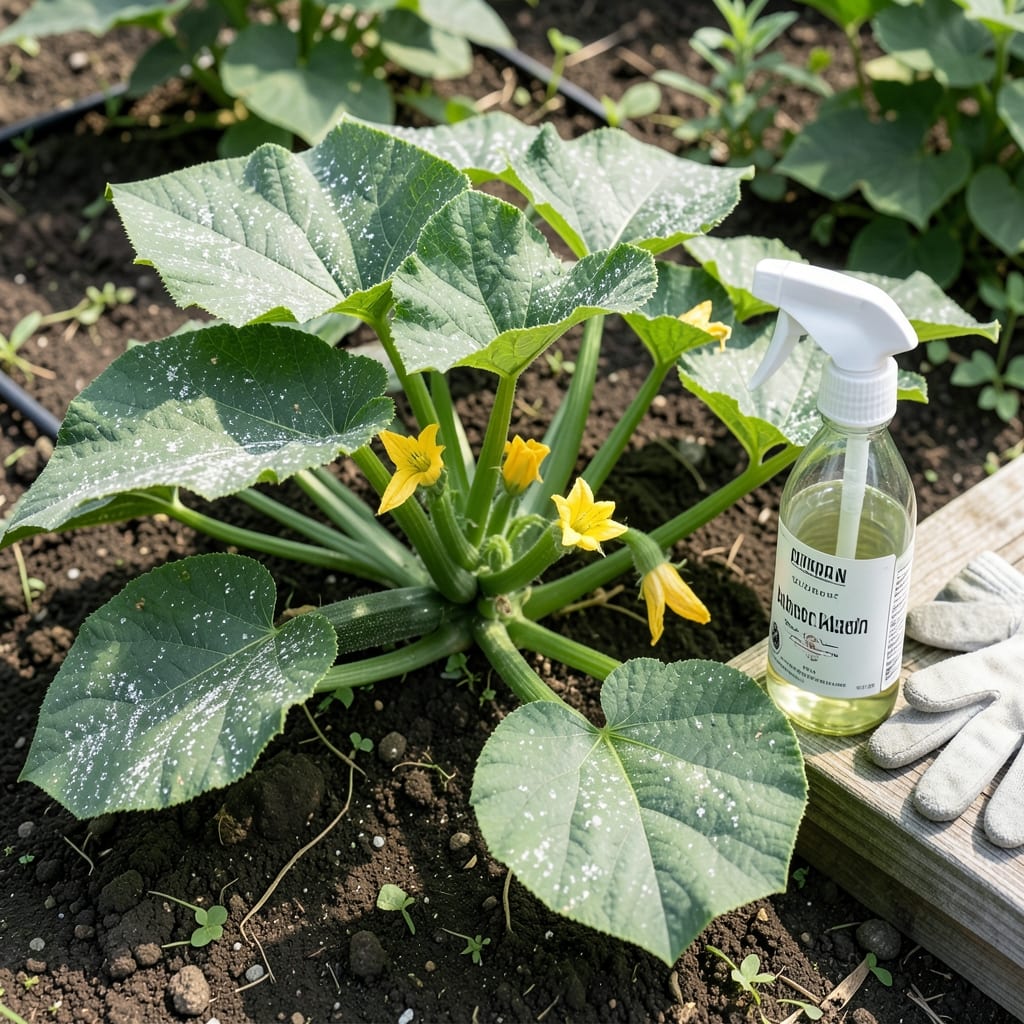
Powdery mildew hit my zucchini last summer like a bad joke. 🌿 White dust on leaves, then stunted growth—classic signs of this fungal party crasher.
Here’s the thing—chemical fungicides work, but I found natural remedies that are just as effective without the harsh stuff. Baking soda sprays, neem oil treatments, even milk solutions can stop it in its tracks.
Prevention is half the battle: good airflow, proper spacing, and choosing resistant varieties keep plants healthy before problems start. My squash now stays mildew-free through the season.
Works for cucumbers, roses, and phlox too. Simple, safe, and your garden will thank you.
Powdery mildew thrives under specific environmental and plant conditions. Understanding these root causes helps prevent outbreaks before they start. Here’s why this fungal disease appears on your plants:
Powdery mildew spores germinate in high humidity (60-90%) but low moisture on leaf surfaces. Unlike other fungi, it doesn’t need standing water—just damp air. Crowded plantings or poor airflow trap humidity, creating the perfect breeding ground.
This fungus loves temperature swings. Ideal conditions include daytime temps of 68–80°F (20–27°C) paired with cooler nights. These fluctuations stress plants, weakening their natural defenses against spores.
Shade or insufficient sunlight slows leaf evaporation, prolonging surface moisture. Plants in dim areas (e.g., under dense canopies or indoor grow lights) are more susceptible because UV light naturally suppresses spore growth.
Excess nitrogen promotes lush, soft growth—a magnet for powdery mildew. These tender leaves lack the thick cuticles or natural fungicides that tougher, balanced growth provides. Switch to a lower-nitrogen, high-potassium fertilizer to bolster plant resistance.
Stressed plants (from drought, root damage, or pests) release volatile compounds that attract spores. Additionally, overgrown or unpruned plants restrict airflow, trapping humidity. Regular pruning and proper spacing are critical for prevention.
Powdery mildew can be frustrating, but these natural fixes will help you reclaim your garden’s health. Below are targeted solutions based on common causes, plus prevention tips to keep it from coming back.
Stagnant air traps moisture, creating the perfect breeding ground for mildew. Fix it: Space plants farther apart to allow airflow. Prune overcrowded foliage, and consider a small fan for greenhouse or indoor plants. Prevention tip: 💡 Avoid planting in dense clusters—give each plant room to breathe.
Overhead watering and damp leaves invite powdery mildew. Fix it: Water at the base of plants early in the day so foliage dries quickly. Switch to drip irrigation if possible. Prevention tip: 🌡️ Use a moisture meter to avoid overwatering—aim for dry topsoil between waterings.
Stressed or nutrient-deficient plants are more susceptible. Fix it: Strengthen plants with a neem oil spray (1 tbsp neem oil + 1 tsp dish soap + 1 quart water) applied weekly. Alternatively, use a baking soda solution (1 tsp baking soda + 1 quart water + a few drops of soap) for a gentle fungicide. Prevention tip: ✨ Feed plants with compost or organic fertilizer to keep them resilient.
Fallen leaves and dead plant matter harbor spores. Fix it: Remove and destroy (do not compost) infected leaves and stems immediately. Disinfect tools with rubbing alcohol after pruning. Prevention tip: 🎯 Regularly clear garden debris, especially in fall, to eliminate overwintering spores.
Consistency is key—combine these fixes with good cultural practices, and your plants will stay mildew-free naturally!
Use a baking soda solution every 7-10 days as a preventative or at first signs of infection. Apply in the morning so leaves dry quickly. Avoid using in direct sunlight to prevent leaf burn.
Neem oil is safe for most plants, but test on a small area first. Use 1 tbsp neem oil per quart of water with a drop of soap. Avoid applying in extreme heat or to drought-stressed plants.
Spores can linger in soil or debris. Always remove infected leaves and clean tools with rubbing alcohol. Improve airflow and reduce humidity to prevent recurrence.
A 1:9 milk-to-water mixture sprayed weekly can suppress spores. The proteins and salts in milk disrupt fungal growth. Works best as a preventative measure.