
Beautiful Plants For Your Interior
Beautiful Plants For Your Interior
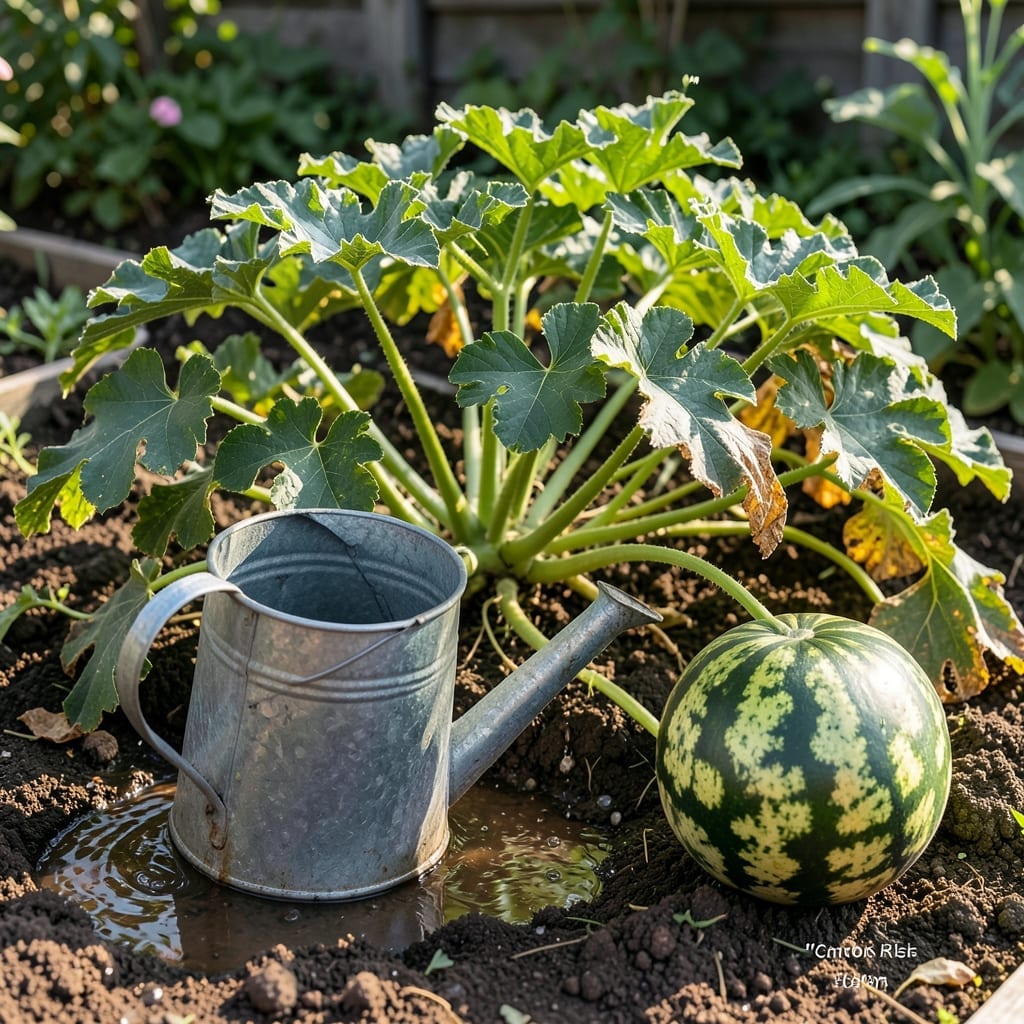
Yellowing leaves and soggy soil spell trouble for watermelon plants. I’ve saved more than a few by catching the signs early—wilted vines that don’t recover, black stems at the base, or that telltale sour smell from the roots.
Overwatering doesn’t just drown plants; it invites root rot that can kill a vine overnight. The fix starts with stopping water immediately and letting the soil dry out completely. Most people don’t realize watermelons need deep but infrequent watering.
Once the soil’s dry, trim any black or mushy roots with clean shears. Repot in fresh, well-draining soil if the damage is bad. Your plant might look sad for a week, but new growth will appear if the roots survive.
Prevention is simpler than rescue. Water only when the top 2-3 inches of soil are dry, and always use pots with drainage holes. This one change saves more watermelons than any fancy treatment.
Overwatering a watermelon plant often stems from a few key issues, each with a scientific basis. Understanding these causes can help you adjust your care routine to prevent damage.
Watermelons thrive in well-draining soil with consistent moisture, but too much water disrupts their root systems. Their roots need oxygen to respire, and waterlogged soil suffocates them, leading to root rot. A good rule: water only when the top inch of soil feels dry.
Heavy or clay-rich soils retain water for too long, creating a stagnant environment. This encourages Pythium and Phytophthora fungi, which thrive in soggy conditions and attack the roots. Amending soil with sand or compost improves drainage and reduces risk.
Excess nitrogen or organic matter can increase water retention in the soil, making it harder for roots to dry out between waterings. Stick to balanced fertilizers and avoid over-application.
Natural weather can overwhelm even well-intentioned gardeners. During heavy rain, watermelon plants may absorb too much water. Using raised beds or mulch helps manage excess moisture.
If your watermelon plant is showing signs of overwatering, don’t panic! With the right steps, you can nurse it back to health. Below are targeted solutions for each common issue, along with prevention tips to keep your plant thriving.
If the leaves are turning yellow, stop watering immediately and let the soil dry out. Check the top 2 inches of soil—if it feels damp, wait a few days before watering again. Watermelons prefer deep but infrequent watering (about 1-2 inches per week, including rainfall). Use a moisture meter to avoid guesswork.
Prevention tip: 💡 Water in the early morning to allow excess moisture to evaporate during the day.
Wilting with soggy soil often means the roots are suffocating. Transplant the watermelon to a raised bed or container with well-draining soil (mix in perlite or sand). If it’s in the ground, create small mounds around the base to help water run off. Avoid heavy clay soils, which retain too much moisture.
Prevention tip: 🌡️ Test drainage by digging a 1-foot hole, filling it with water, and timing how long it takes to drain (ideal: 1-2 hours).
For black, mushy roots, act fast: gently remove the plant from the soil, trim off rotten roots with sterilized scissors, and replant in fresh, dry soil. Apply a fungicide (like copper-based spray) to prevent further infection. If the rot has spread to the stem, recovery is unlikely—start fresh with disease-resistant seeds.
Prevention tip: ✨ Rotate crops yearly to prevent fungal buildup in the soil.
White mold or powdery mildew on leaves? Prune crowded foliage to improve airflow and reduce humidity. Water at the base (not the leaves) and space plants 3-5 feet apart. A baking soda spray (1 tsp baking soda + 1 quart water + a drop of dish soap) can help control mild infections.
Prevention tip: 🎯 Mulch with straw to keep leaves dry and prevent soil splash.
Wait until the top 2-3 inches of soil are completely dry. Then water deeply, but only 1-2 times per week. Use your finger to test soil moisture before adding more.
If the stems are black and mushy, the plant likely has advanced root rot. Trim affected areas immediately and repot in fresh, dry soil. Recovery is only possible if healthy roots remain.
Use a well-draining mix with 50% garden soil and 50% compost/perlite. For containers, ensure pots have drainage holes. This prevents water from pooling around roots.
Wilting with wet soil signals suffocating roots. The plant can’t absorb oxygen, so it appears thirsty despite excess water. Stop watering and improve drainage immediately.