
Beautiful Plants For Your Interior
Beautiful Plants For Your Interior
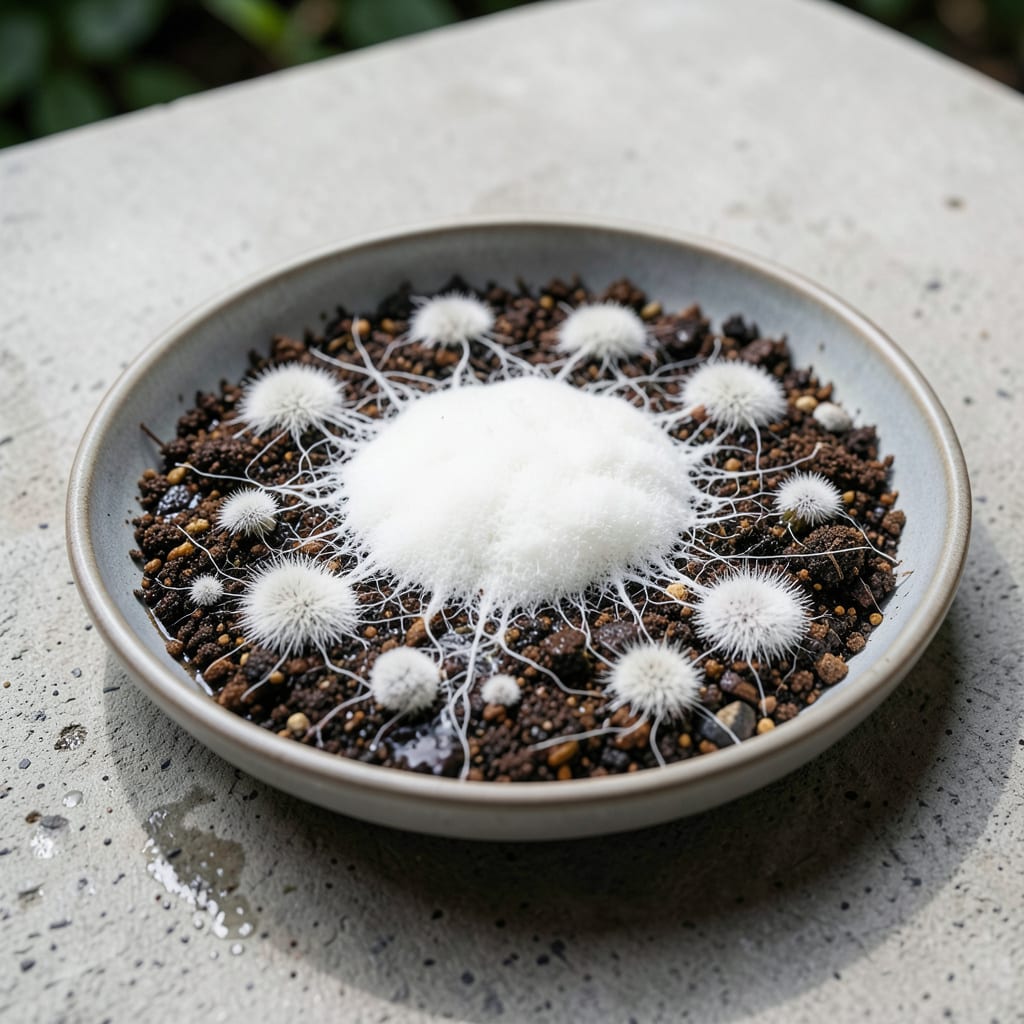
White fuzz on your soil isn’t just unsightly—it’s a warning. I first spotted it in my seedling trays last spring, and ignoring it cost me a whole flat of peppers.
This fungal growth thrives in damp, poorly ventilated conditions, and it can spread faster than you’d expect. The good news? It’s preventable with simple adjustments to watering and airflow.
Natural treatments like cinnamon or hydrogen peroxide work surprisingly well. Within 48 hours, you’ll see the mold retreating, and your plants can get back to growing.
Best part: these methods keep your soil healthy without harsh chemicals. Here’s how to tackle it for good.
White mold on soil often stems from environmental and biological triggers. Here’s a breakdown of the most common causes:
Overwatering or poor drainage creates a damp environment where Sclerotinia and other mold-causing fungi thrive. These organisms require consistent moisture to grow, so soggy soil is a prime breeding ground.
Decaying plant matter, like fallen leaves or unremoved mulch, provides nutrients for mold spores. As these materials break down, they release compounds that feed fungal growth, leading to visible white colonies on the soil surface.
Stagnant air traps humidity around the soil, accelerating mold development. This is common in dense plantings, greenhouses, or containers without proper ventilation. Improved airflow disrupts the moist microclimate mold needs.
Cool, damp conditions (below 70°F/21°C) slow decomposition and encourage fungal activity. White mold often appears in early spring or late fall when soil hasn’t warmed sufficiently.
Relative humidity above 60% promotes spore germination. Greenhouses or indoor gardens with limited ventilation are especially vulnerable unless humidity is controlled with fans or dehumidifiers.
White mold on soil can be frustrating, but with the right approach, you can restore your plants to health. Here’s how to tackle the problem based on its root cause, along with simple prevention tips to keep it from returning.
If soggy soil is the culprit, stop watering immediately and let the top 1-2 inches dry out. Repot plants in well-draining soil mixed with perlite or sand. Use pots with drainage holes, and empty saucers after watering to prevent standing water. Prevention tip: 💡 Water only when the topsoil feels dry to the touch.
Remove visible mold and decaying leaves or mulch from the soil surface. Replace contaminated mulch with fresh, dry material like straw or pine needles. Prevention tip: ✨ Avoid over-mulching—keep it 1-2 inches thick to allow airflow.
Move potted plants to a breezy area or use a small fan to improve air circulation. For garden beds, thin out dense plantings to reduce humidity. Prevention tip: 🌡️ Space plants according to their mature size to allow air to flow freely.
Sprinkle cinnamon (a natural antifungal) or a thin layer of baking soda (1 tsp per cup of water) over the soil. For severe cases, apply a neem oil spray (1 tbsp neem oil + 1 tsp dish soap per gallon of water) to the soil and affected areas. Prevention tip: 🎯 Reapply treatments every 2-3 weeks during damp seasons.
With these steps, you’ll banish white mold and create a healthier environment for your plants to thrive.
Yes, but act quickly. The mold itself won’t harm you, but it can spread to plant roots if left unchecked. Remove visible growth and improve conditions within 24-48 hours for best results.
Recurring mold usually means the root cause persists. Check for overwatering, poor drainage, or high humidity. Adjust your care routine and ensure good airflow to prevent regrowth.
Yes, but treat it first. Bake soil at 200°F for 30 minutes to kill spores, or mix in fresh compost. Avoid reusing untreated soil, as spores can survive and reinfect plants.
