
Beautiful Plants For Your Interior
Beautiful Plants For Your Interior
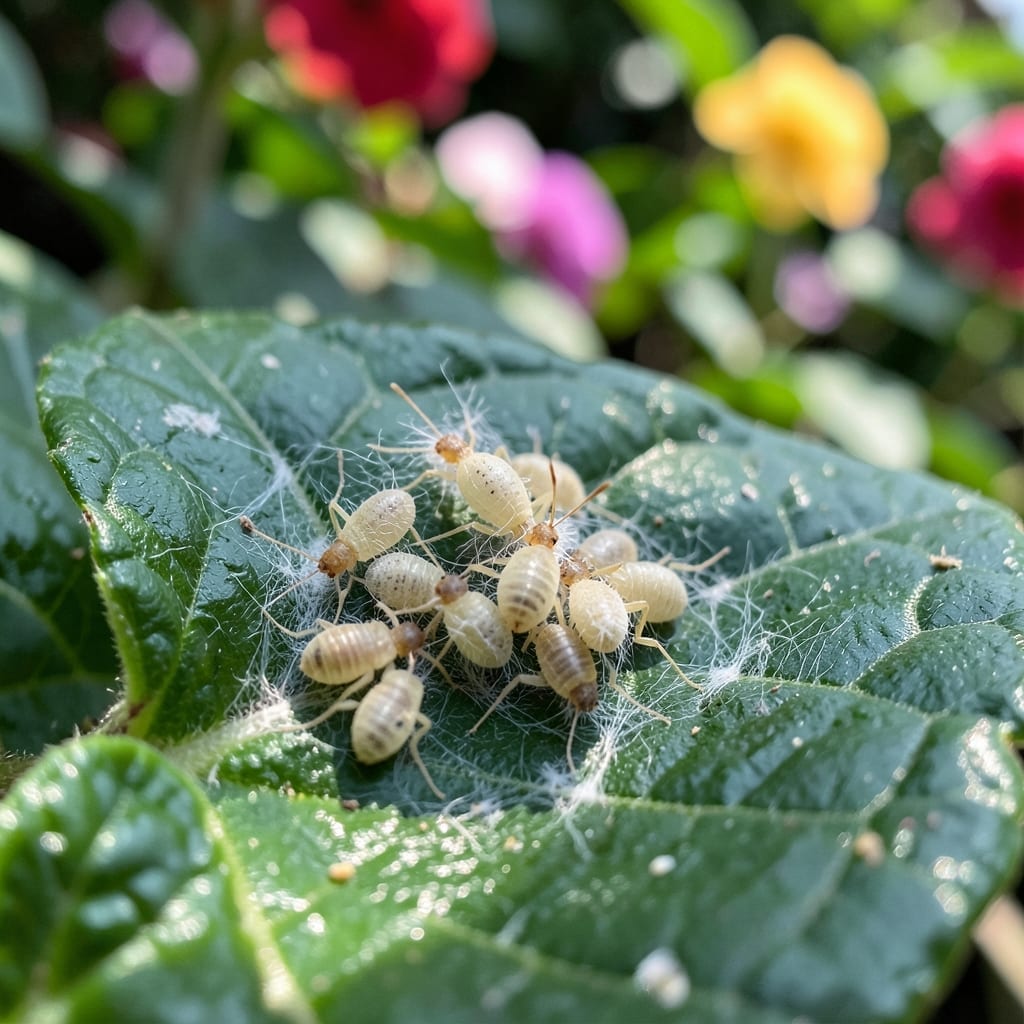
White cottony clusters on your New Guinea impatiens aren’t just unsightly—they’re mealybugs, and they spread fast. I first noticed them on my prized pink blooms last summer, and within days, the leaves turned yellow and sticky.
These pests suck the life out of plants, stunting growth and leaving behind a mess that attracts ants. The good news? You can spot them early with a quick leaf inspection. Look for the white fluff in leaf axils and stem joints.
I tackled mine with a simple soap-and-water spray, and within a week, the population dropped dramatically. For stubborn cases, neem oil works wonders without harming beneficial insects.
Prevention is easier than treatment—keep your plants healthy, avoid over-fertilizing, and isolate new additions for a few weeks. This stops the cycle before it starts.
Mealybugs thrive on New Guinea impatiens due to a few key environmental and cultural factors. Understanding these causes helps prevent infestations before they start.
When impatiens are spaced too closely, air circulation is restricted, creating a humid microclimate that mealybugs love. These pests favor stagnant, moist conditions where their cottony masses can spread unchecked. Thin out dense plantings to improve airflow and reduce hiding spots.
Overwatering or poor drainage leads to soggy soil and high humidity around the foliage—ideal for mealybug reproduction. These pests are drawn to soft, succulent growth fueled by excess water. Allow the top inch of soil to dry between waterings and ensure pots have drainage holes.
New Guinea impatiens grown in greenhouses or indoor settings with consistent warmth (70–80°F) and low predator activity are prime targets. Mealybugs multiply rapidly in stable, protected environments without natural controls like ladybugs or lacewings.
Over-fertilizing, especially with high-nitrogen feeds, produces lush but weak growth that’s more susceptible to pests. Mealybugs are attracted to tender new shoots rich in sap. Use a balanced, slow-release fertilizer to avoid promoting the soft tissue they favor.
Mealybugs can be stubborn, but with the right approach, you can restore your New Guinea impatiens to their vibrant best. Below are practical solutions for common causes, along with prevention tips to keep these pests at bay.
If your plants are too close together, mealybugs spread quickly. Separate infested plants immediately to prevent contamination. Use sterilized pruning shears to remove heavily infested leaves or stems, and dispose of them in sealed bags. This reduces the pest population and improves airflow, making it harder for mealybugs to thrive.
Overwatering or underwatering can stress plants, making them more susceptible to pests. Water at the base of the plant to keep foliage dry, as mealybugs love damp leaves. Check the soil moisture regularly—aim for consistently moist but not soggy. While watering, inspect the undersides of leaves for early signs of mealybugs.
For a gentle yet effective fix, mix 1 tablespoon of insecticidal soap or neem oil with a quart of water. Spray the solution directly onto the mealybugs, focusing on leaf joints and stems where they hide. Reapply every 4–7 days until the infestation clears. Test on a small area first to ensure the plant tolerates the treatment.
Healthy plants resist pests better. Fertilize lightly with a balanced, water-soluble fertilizer to strengthen your impatiens. Avoid over-fertilizing, as excessive nitrogen can attract mealybugs. Ensure the plants get bright, indirect light and good air circulation to reduce stress.
Prevention Tips:
Look for white cottony clusters in leaf axils and stem joints. Early signs include sticky residue on leaves and yellowing foliage. Check undersides of leaves weekly for best results.
Yes! Mix 1 tablespoon insecticidal soap or neem oil with 1 quart water. Spray directly on pests every 4-7 days until gone. Test on a small area first to check plant tolerance.
Mealybugs thrive in warm, humid conditions with poor airflow. Overcrowding, overwatering, or over-fertilizing creates perfect breeding grounds. Improve plant spacing and reduce moisture to break the cycle.