
Beautiful Plants For Your Interior
Beautiful Plants For Your Interior
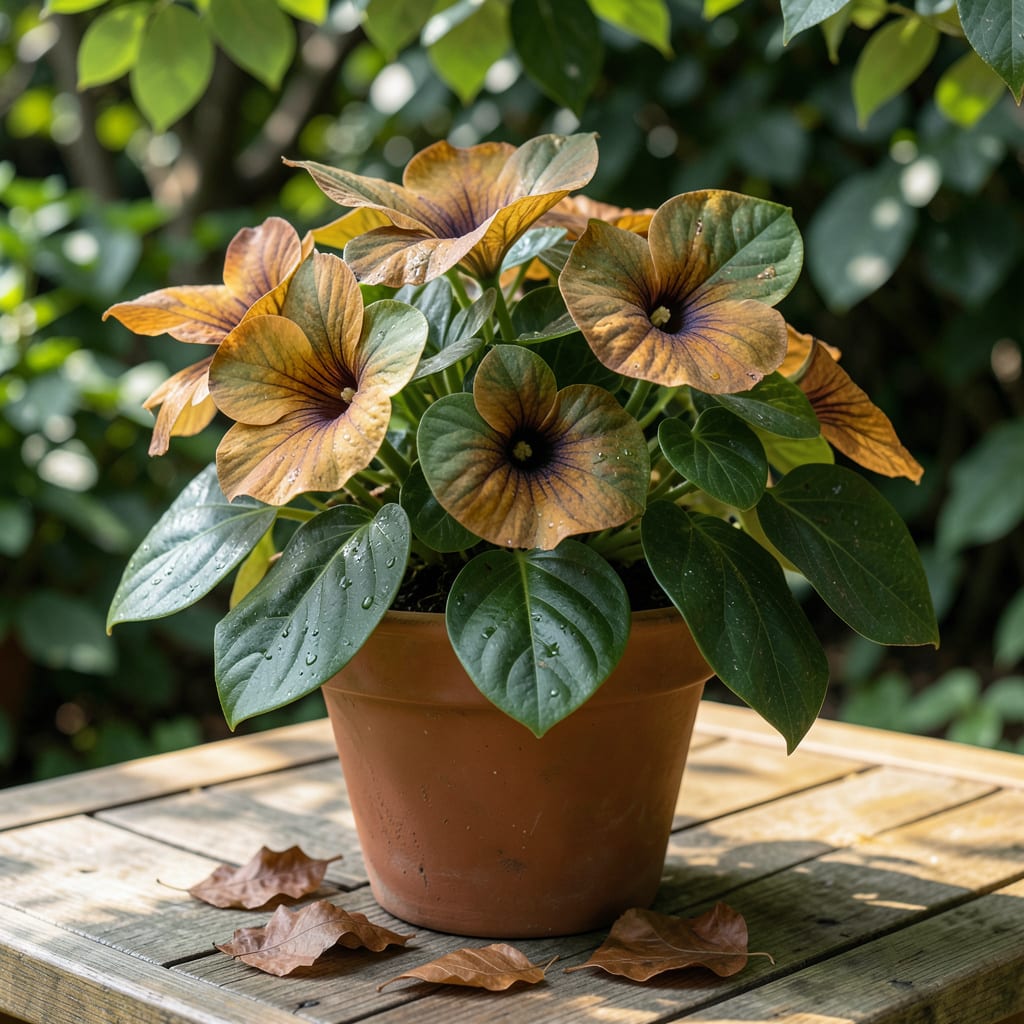
Brown leaves on New Guinea impatiens always signal trouble, but it’s usually fixable. I’ve rescued countless plants from this exact issue by tackling the root cause fast.
The culprits are often simple: too much water, not enough, or a sneaky pest hiding under the leaves. After years of trial and error, I’ve learned that early intervention makes all the difference.
You’ll see new growth returning within 1-2 weeks once you address the problem. The key is observation—check soil moisture, inspect stems, and look for tiny invaders.
Prevention is easier than cure. Consistent watering, good drainage, and regular checkups keep plants thriving. Let’s get those leaves green again.
New Guinea impatiens are hardy, but their lush leaves can turn brown when stressed. Here’s why it happens, with science-backed explanations and fixes.
Impatiens walleriana hybrids (New Guinea types) thrive in partial shade. Direct, intense sunlight triggers photoinhibition—where the plant’s chlorophyll can’t process excess light energy, leading to oxidative damage. Leaves scorch, turning crispy and brown at the edges. Fix: Move pots to a spot with morning sun and afternoon shade, or use 30-50% shade cloth in peak summer.
Inconsistent moisture disrupts cellular function. Underwatering causes turgor loss (wilting), followed by necrosis (brown, dry patches). Overwatering suffocates roots, promoting Phytophthora or Pythium root rot—roots can’t absorb nutrients, and leaves yellow then brown. Fix: Water when the top 1-2 inches of soil are dry. Ensure pots have drainage holes.
New Guinea impatiens prefer 60-85°F (15-29°C). Heatwaves or cold snaps (<50°F/10°C) damage cell membranes, causing electrolyte leakage and brown spotting. Low humidity (<40%) speeds up transpiration, leading to leaf desiccation. Fix: Mulch to regulate soil temp; group plants to raise humidity or use a pebble tray.
Alternaria or Cercospora fungi thrive in wet foliage, causing leaf spot diseases. Brown, circular lesions with concentric rings appear. Spores spread via water or wind. Fix: Water at the base (avoid overhead sprinkling), improve air circulation, and apply copper-based fungicides at first sign.
Here’s how to tackle each common cause of browning leaves on your New Guinea impatiens, with simple fixes and prevention tips to keep them thriving.
Fix: Check the soil moisture with your finger—water when the top inch feels dry. If the soil is soggy, let it dry out before watering again. Ensure pots have drainage holes to prevent root rot.
Prevention: Use a well-draining potting mix and water deeply but less frequently. Mulch around the base to retain moisture without waterlogging.
Fix: Move potted plants to a spot with bright, indirect light or provide afternoon shade. In gardens, use shade cloth or plant taller companions to filter sunlight.
Prevention: New Guinea impatiens prefer partial shade. Monitor leaves for scorching and adjust their location as the sun’s angle changes with the seasons.
Fix: Relocate plants to a cooler area during extreme heat (above 90°F) or bring them indoors if temperatures drop below 50°F. Trim damaged leaves to redirect energy to healthy growth.
Prevention: Plant in a microclimate with stable temperatures, such as near a fence or under a tree canopy. Use row covers for unexpected cold snaps.
Fix: Apply a balanced, water-soluble fertilizer (10-10-10) every 2–4 weeks during the growing season. Yellowing leaves with brown edges often signal a potassium or magnesium shortage—use a fertilizer rich in these nutrients.
Prevention: Test your soil annually and amend it with compost or organic matter to maintain fertility. Avoid over-fertilizing, which can burn roots.
Fix: Spray leaves with a strong jet of water to dislodge aphids or spider mites. For stubborn pests, use insecticidal soap or neem oil, applying in the early morning or late evening.
Prevention: Inspect plants regularly for early signs of pests. Encourage natural predators like ladybugs by planting companion flowers such as marigolds.
💡 Pro Tip: Always sterilize pruning tools with rubbing alcohol between cuts to prevent spreading diseases or pests to healthy parts of the plant.
Water when the top 1-2 inches of soil feel dry. In hot weather, this may mean watering every 2-3 days. Always check soil moisture first to avoid overwatering.
No, once leaves turn brown they won’t recover. Trim them off to redirect energy to healthy growth. Focus on fixing the underlying issue to prevent new leaves from browning.
They thrive in partial shade, especially with morning sun and afternoon shade. Too much direct sun causes leaf scorch, while deep shade leads to weak growth.
Water at the base to keep foliage dry. Improve air circulation and space plants properly. Apply copper-based fungicides at the first sign of trouble.
