
Beautiful Plants For Your Interior
Beautiful Plants For Your Interior
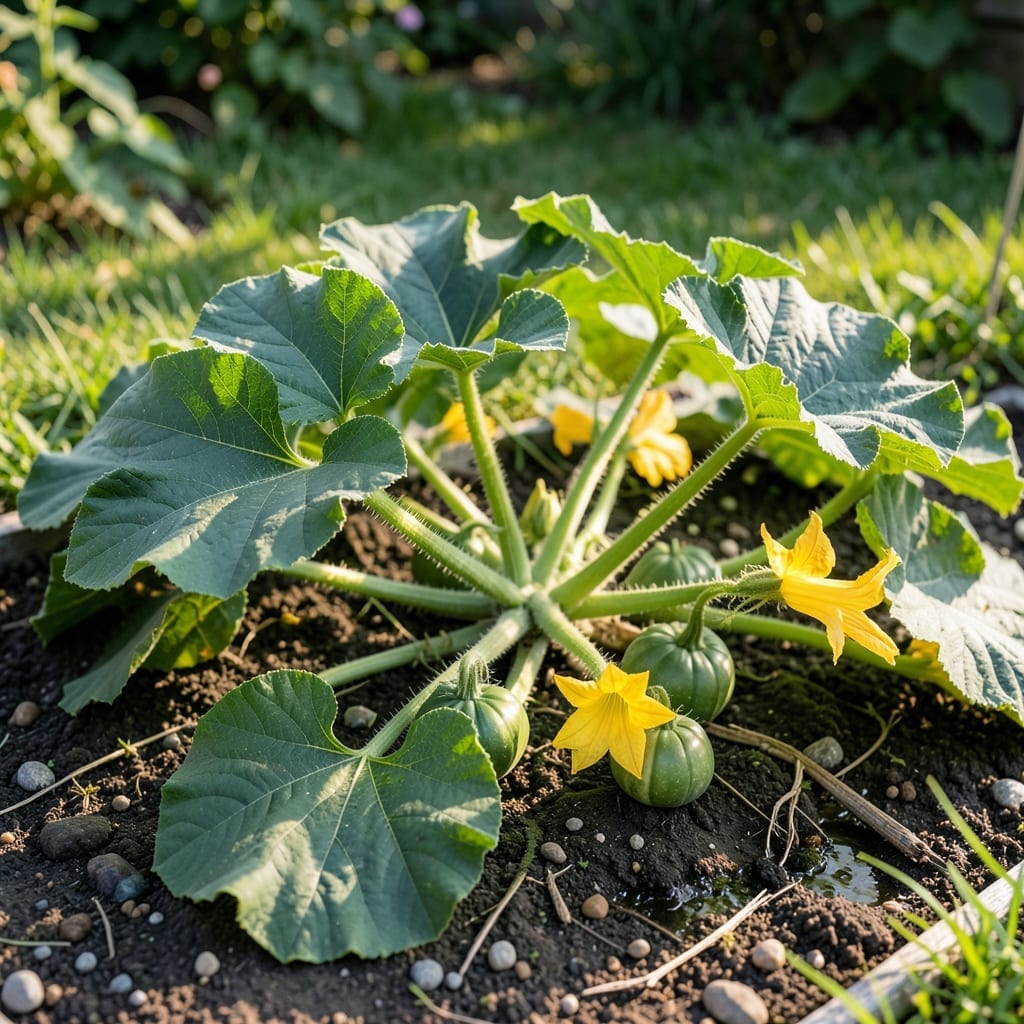
Watching pumpkins emerge from the soil is one of gardening’s most exciting moments. But knowing what to look for can be tricky at first glance.
Those first tiny sprouts, with their rounded cotyledons, are your 🎃 pumpkin plants announcing their arrival. Soon after, the true leaves appear, looking distinctly different from the initial seedlings.
I remember my first season of confusion, wondering if those early vines were actually pumpkins or just aggressive weeds. The transformation from sprout to vine happens faster than you might expect.
Let me walk you through exactly what healthy early growth looks like. You’ll learn how to spot the unmistakable signs of a thriving pumpkin plant from day one.
The first sign of pumpkin growth is the emergence of two rounded cotyledons poking through the soil. These seed leaves are typically pale green and look almost heart-shaped.
Within 5-10 days after germination, the first true leaves appear. These are jagged and lobed, distinctly different from the smooth cotyledons. This is your first clear sign of a pumpkin seedling.
| Stage | Appearance | Timing |
| Cotyledons | Rounded, smooth seed leaves | 3-5 days after planting |
| First True Leaves | Jagged, lobed edges | 5-10 days after germination |
| Early Vine | Long stems with small leaves | 2-3 weeks after planting |
| Runner Formation | Vines spread rapidly outward | 3-4 weeks after planting |
By the 2-week mark, your pumpkin plant will start developing its characteristic vine structure. The main stem elongates, and small tendrils begin to curl outward.
These early vines are bright green and somewhat delicate. They’ll grow several inches per day under ideal conditions of full sun and consistent moisture.
I recommend checking your plants daily during this phase. The transformation from a small seedling to a sprawling vine happens surprisingly fast in warm weather.
Healthy early growth shows vibrant color and firm stems. If you notice yellowing or wilting, it might indicate overwatering or poor drainage.
The first side shoots (lateral vines) typically appear when the main vine reaches 12-18 inches long. These will eventually produce the pumpkin flowers and fruit.
Remember that pumpkin vines can spread 10-20 feet in all directions. Plan your garden space accordingly to accommodate this vigorous growth habit. 🌱
For container gardening, choose bush varieties like ‘Small Sugar’ or ‘Jack Be Little’. These stay more compact while still producing full-sized pumpkins. 🌿
Watching your pumpkin seeds sprout is just the beginning. The first 5-10 days after germination reveal rounded cotyledons, often called seed leaves. These look like two small, oval-shaped green paddles pushing through the soil.
By 10-14 days, the first true leaves emerge. These are jagged, lobed, and darker green, distinctly different from the initial cotyledons. This is when your pumpkin plant starts looking like a pumpkin plant.
After 2 weeks, the vine growth becomes noticeable. Thin green stems start stretching outward, with small tendrils beginning to curl around anything they touch. This is when your plant begins its rapid expansion phase.
By 3-4 weeks, the vines can reach 1-2 feet long, with multiple sets of true leaves. The leaves grow larger, often 3-5 inches across, with deep lobes. The plant’s structure becomes more established.
I always check the leaf color and vine thickness at this stage. Healthy pumpkin plants have deep green leaves and sturdy, flexible vines. Pale or yellowing leaves often indicate nutrient deficiency or overwatering.
Remember, each plant grows at its own pace. But following this timeline helps you spot potential issues early and adjust your care routine accordingly. Consistent watering and full sun are key during these formative weeks 🌱