
Beautiful Plants For Your Interior
Beautiful Plants For Your Interior
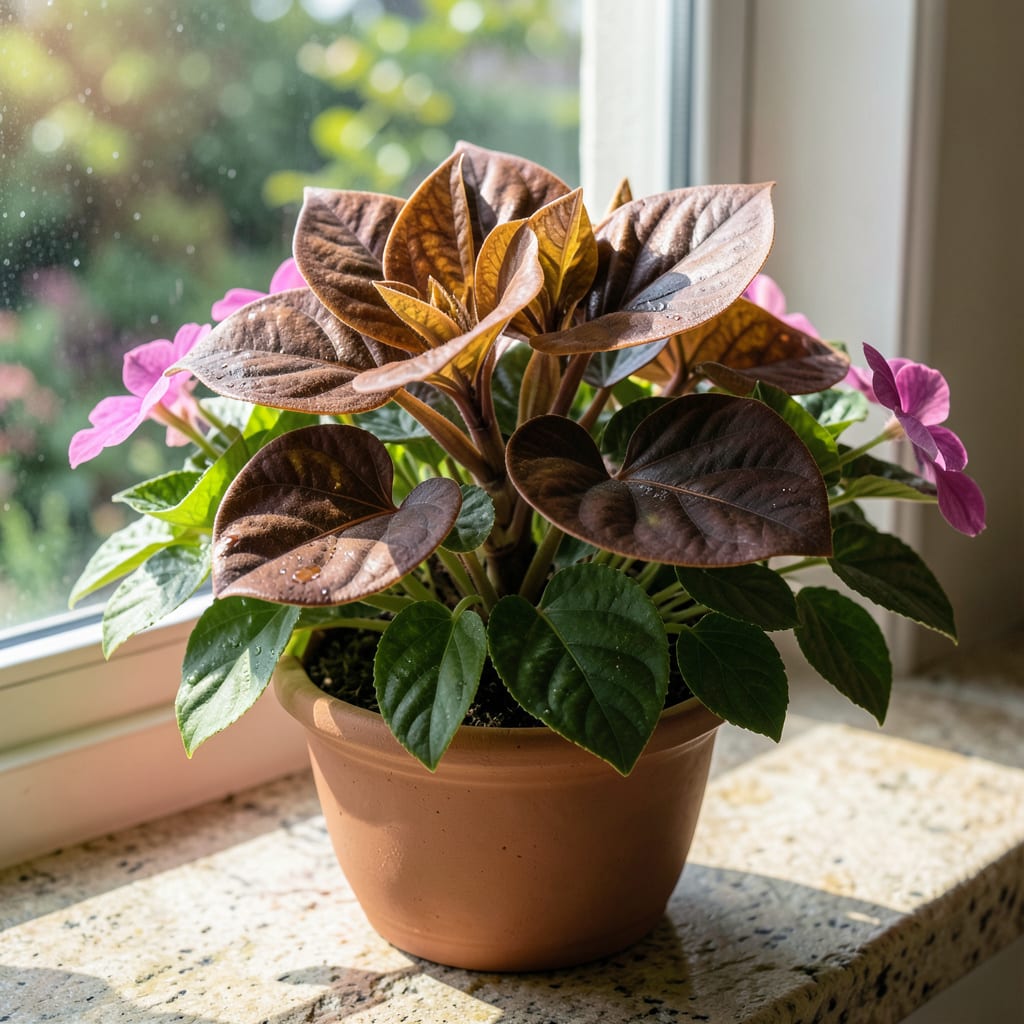
Brown leaves on New Guinea impatiens always mean the same thing: your plant is trying to tell you something went wrong. I’ve seen this happen with both overwatering and underwatering, and the solution starts with checking the soil.
The most common culprits are inconsistent moisture, too much sun, or fungal issues from poor air circulation. These plants need consistent dampness without soggy roots, and they prefer shade over direct afternoon light.
Once you identify the issue, recovery can happen within 1-2 weeks with proper care. The key is acting fast before the problem spreads to healthy foliage.
Works for container plants, garden beds, or hanging baskets. Let’s diagnose and fix this together.
Brown leaves on your New Guinea impatiens are a distress signal, often tied to environmental or cultural stressors. Below are the most frequent culprits, explained with actionable insights.
New Guinea impatiens thrive in partial shade. When exposed to intense sunlight or temperatures above 90°F (32°C), their leaves can scorch, turning dry and brown at the edges. This happens because excessive heat disrupts chlorophyll production and accelerates water loss. Move plants to a shadier spot during peak afternoon sun to prevent further damage.
Both extremes lead to brown leaves but for different reasons. Overwatering suffocates roots, reducing oxygen uptake and causing root rot, which manifests as yellowing leaves that turn brown. Conversely, underwatering leads to dehydration, resulting in crispy, brown edges. Check soil moisture 1-2 inches deep—water only if dry, and ensure pots have drainage holes.
High humidity and poor air circulation create ideal conditions for fungal diseases like Alternaria or Phytophthora. These pathogens cause irregular brown or black spots, often with yellow halos. Remove infected leaves immediately and treat with a copper-based fungicide. Improve airflow by spacing plants and avoiding overhead watering.
A deficiency in magnesium or potassium can cause leaf edges to brown, while excess salts from fertilizers lead to leaf tip burn. Use a balanced, water-soluble fertilizer (10-10-10) every 2-4 weeks during the growing season, and flush the soil with water periodically to remove salt buildup.
Here’s how to tackle each cause of brown leaves on your New Guinea impatiens, with simple fixes and prevention tips to keep them thriving.
Fix: Move your plant to a spot with bright, indirect light or dappled shade, especially during peak afternoon hours. If growing outdoors, use shade cloth to filter harsh sunlight.
Prevention: Acclimate impatiens gradually to new light conditions, and avoid placing them in south-facing windows or exposed patios without protection.
Fix: Check the soil moisture by sticking your finger 1 inch deep. If it’s soggy, let it dry out before watering again. If bone-dry, give it a thorough drink until water drains from the bottom. Trim any mushy or crispy leaves to redirect energy to healthy growth.
Prevention: Use well-draining soil and pots with drainage holes. Water when the top inch of soil feels dry, and adjust frequency based on weather (less in cool, rainy periods).
Fix: Relocate potted impatiens indoors or to a sheltered area if temperatures drop below 50°F (10°C) or rise above 90°F (32°C). For in-ground plants, mulch heavily to insulate roots from extreme heat or cold snaps.
Prevention: Plant impatiens after the last frost date, and monitor weather forecasts. Group pots together to create a microclimate that buffers temperature swings.
Fix: For pests like spider mites or aphids, spray leaves with a strong blast of water or use insecticidal soap. For fungal issues (e.g., powdery mildew), remove affected leaves and apply a copper-based fungicide. Prune densely packed stems to improve airflow.
Prevention: Inspect plants regularly, especially the undersides of leaves. Avoid overhead watering, and space plants 12–18 inches apart to reduce humidity buildup.
Fix: Fertilize with a balanced, water-soluble fertilizer (10-10-10 or 20-20-20) every 2–4 weeks during the growing season. Yellowing leaves with brown edges may signal a potassium or magnesium shortage—use a fertilizer rich in these nutrients.
Prevention: Start with nutrient-rich soil at planting, and top-dress with compost mid-season. Avoid over-fertilizing, which can burn roots and cause leaf browning.
💡 Pro Tip: Always sterilize pruning tools with rubbing alcohol between cuts to prevent spreading disease. Healthy impatiens bounce back quickly with the right care!
Water when the top 1 inch of soil feels dry. Typically this means 2-3 times per week in hot weather, less in cooler conditions. Always check soil moisture first to prevent over or underwatering.
No, damaged leaves won’t recover. Remove them to help the plant focus energy on new growth. With proper care, fresh green leaves should appear within 1-2 weeks.
New Guinea impatiens thrive in bright, indirect light or partial shade. Avoid direct afternoon sun, which can scorch leaves. Morning sun with afternoon shade is ideal.
Yes, if the roots are healthy. Prune dead foliage, adjust care (water, light, fertilizer), and be patient. Most bounce back within 2-3 weeks with consistent attention.
