
Beautiful Plants For Your Interior
Beautiful Plants For Your Interior
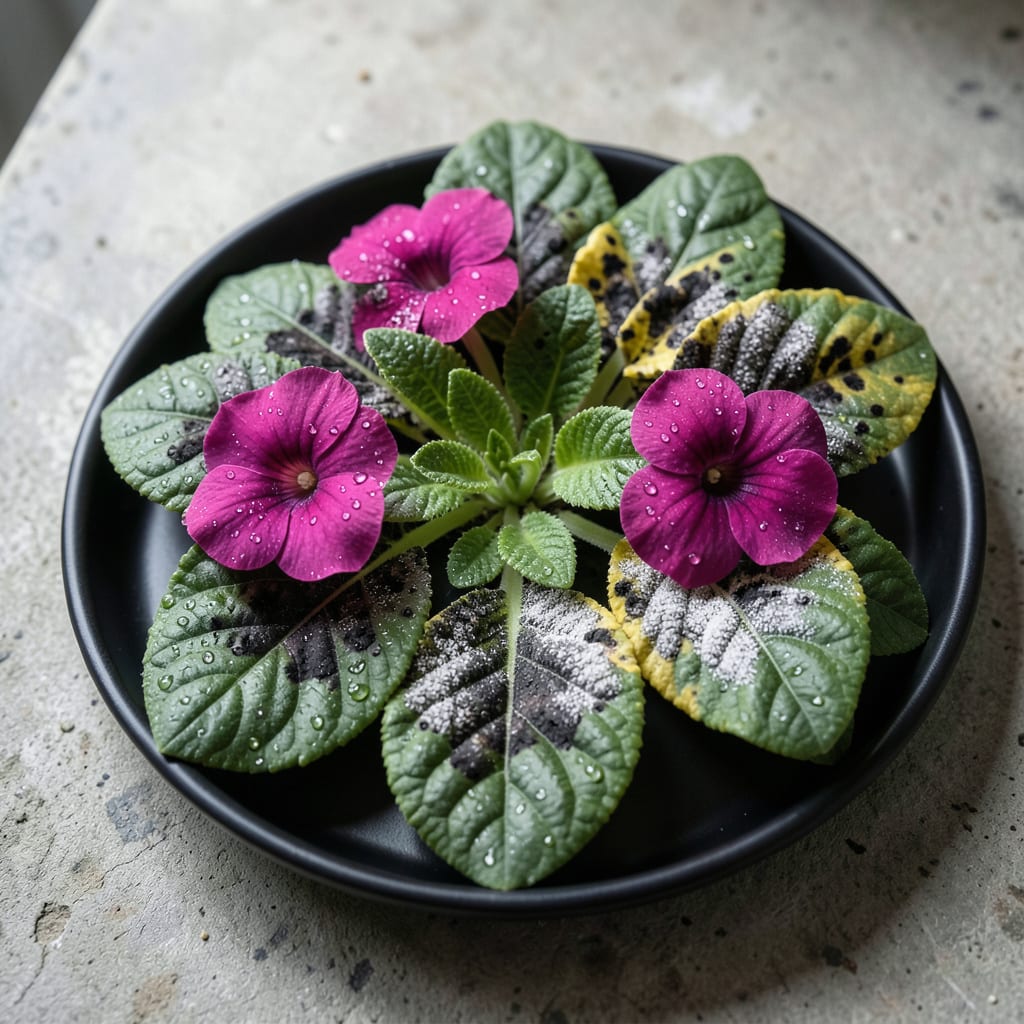
Spotted leaves on your impatiens aren’t just unsightly—they’re a warning. I’ve learned the hard way that catching these issues early means the difference between a thriving bed and a total loss.
The most common culprits show up as powdery white coatings, black spots, or wilting stems. Each tells a different story about what’s attacking your plants, and the solution changes with the diagnosis.
With the right approach, you can turn yellowing foliage back to vibrant green and restore those bold blooms. The key is knowing exactly what you’re looking at before you treat it.
This works for container plants, garden beds, and even those tricky shaded spots where impatiens love to grow.
Understanding why diseases strike your New Guinea impatiens is the first step toward prevention. These vibrant plants are susceptible to a variety of pathogens and environmental stressors. Below are the primary causes, explained with actionable insights.
Excess moisture is a leading cause of fungal diseases like Phytophthora and Pythium root rot. When soil stays soggy, it suffocates roots and creates an ideal breeding ground for fungi. Action: Ensure pots have drainage holes and use well-draining soil mixes. Water only when the top inch of soil feels dry.
Fungi such as Powdery Mildew and bacteria like Pseudomonas thrive in humid, crowded conditions. These pathogens spread via spores or contaminated tools. Action: Space plants for airflow, avoid overhead watering, and sterilize pruning tools with rubbing alcohol.
Pests like aphids and whiteflies weaken plants by sucking sap, making them vulnerable to secondary infections. Their sticky honeydew also promotes sooty mold growth. Action: Inspect leaves regularly and treat infestations with insecticidal soap or neem oil.
Extreme temperatures, sudden temperature drops, or excessive sun can stress New Guinea impatiens, lowering their disease resistance. Action: Maintain consistent temperatures (60–75°F) and provide partial shade in hot climates.
Keeping your New Guinea impatiens healthy starts with quick action when you spot trouble. Below are targeted solutions for common diseases, paired with prevention tips to keep your plants thriving. 🌿
If you see white, powdery spots on leaves, remove infected foliage immediately to stop the spread. Treat the plant with a baking soda solution (1 tsp baking soda + 1 quart water + a few drops of dish soap) or a fungicide like neem oil. Prevention tip: Space plants apart for better airflow and avoid overhead watering. 💡
Yellowing leaves and mushy stems signal root rot, often caused by overwatering. Stop watering and let the soil dry out. Repot the plant in fresh, well-draining soil if the roots are severely affected. Prevention tip: Use pots with drainage holes and water only when the top inch of soil is dry. ✨
For aphids, spider mites, or whiteflies, spray plants with insecticidal soap or a mixture of water and mild soap. Wipe leaves with a damp cloth to remove pests manually. Prevention tip: Inspect new plants before bringing them home and keep the garden free of debris. 🎯
Brown or black spots on leaves often indicate fungal or bacterial leaf spot. Prune affected leaves and avoid wetting the foliage. Apply a copper-based fungicide if the problem persists. Prevention tip: Water at the base of the plant and sterilize pruning tools between uses. 🌟
With these steps, your New Guinea impatiens can bounce back and stay vibrant all season long!
Look for white, powdery spots on the upper surfaces of leaves. This fungus spreads quickly in humid conditions. Treat immediately with a baking soda solution or neem oil.
Black spots often indicate fungal or bacterial leaf spot. Remove affected leaves and avoid wetting foliage when watering. Use a copper-based fungicide for severe cases.
Yes, yellow leaves and mushy stems often signal root rot from overwatering. Stop watering, let the soil dry, and repot in fresh, well-draining soil if needed.
Inspect plants regularly for aphids or whiteflies. Treat with insecticidal soap and keep your garden free of debris to discourage pests.
