
Beautiful Plants For Your Interior
Beautiful Plants For Your Interior
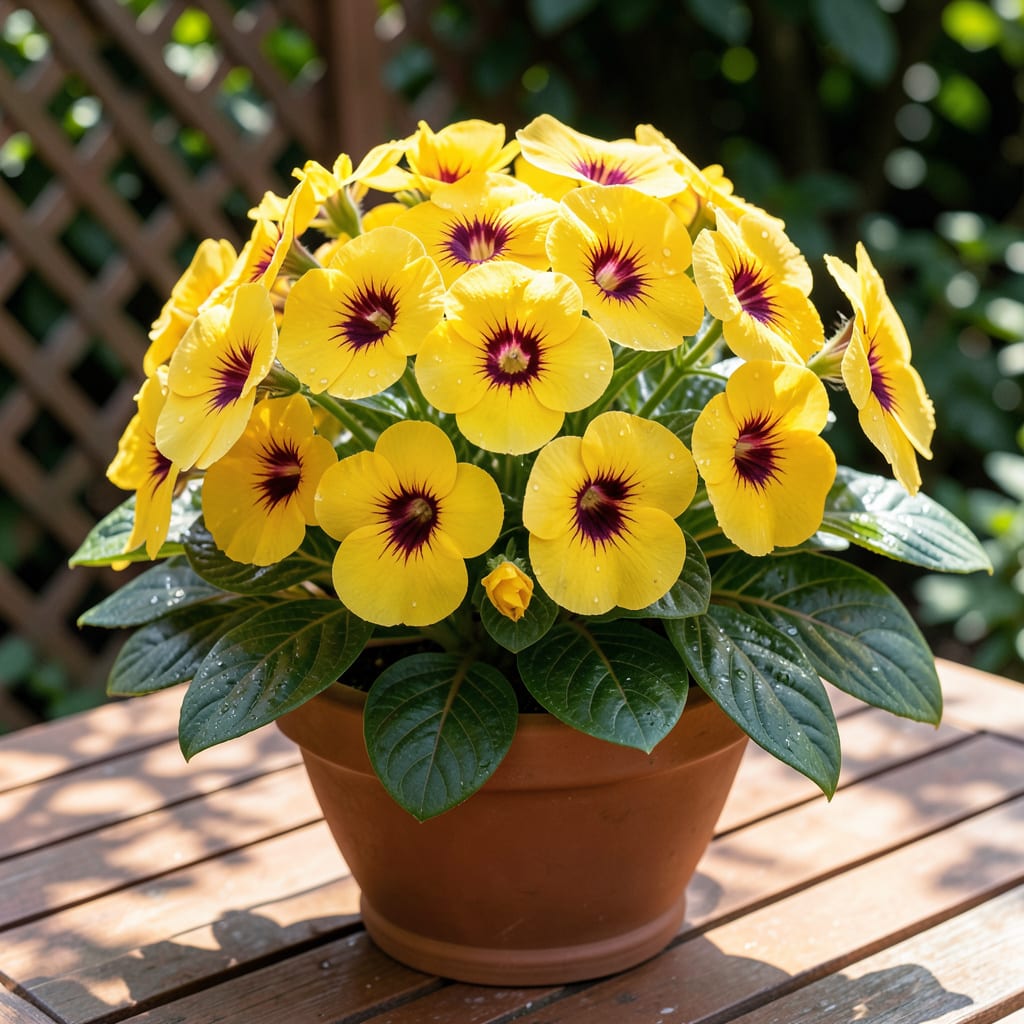
Bright yellow blooms light up shady spots where most flowers struggle. I’ve used New Guinea impatiens to turn dim corners into eye-catching displays that last all season long.
These plants thrive with minimal effort—just consistent moisture and protection from harsh sun. The yellow variety stands out against deep green foliage, making it a foolproof choice for containers or garden beds.
📚 In This Guide
Here’s the method I’ve refined over years to coax vibrant blooms from these shade-loving beauties.
Choose a spot with bright, indirect light to partial shade. New Guinea impatiens thrive where they receive morning sun followed by afternoon shade, or dappled light throughout the day. Avoid deep shade—you’ll get leggy growth with few flowers.
I always test the location first by observing the light patterns for a full day. You’ll see the best results when the area gets 4-6 hours of filtered sunlight daily. This variety tolerates more sun than traditional impatiens but still burns in intense afternoon rays.
These plants demand well-draining, organically rich soil with a slightly acidic to neutral pH (6.0-7.0). Amend heavy clay or sandy soil with compost before planting. I work in 2-3 inches of aged compost to the top 6-8 inches of soil for each planting area.
Real talk: New Guinea impatiens hate soggy roots. If your soil stays waterlogged after rain, consider raised beds or containers. The compost not only improves drainage but also provides the steady nutrients these heavy feeders require for continuous blooming.
Space plants 12-18 inches apart to allow for their bushy growth habit. Dig holes twice as wide as the root ball but no deeper—planting too deep suffocates the crown. I always loosen the roots gently if they’re pot-bound before placing in the hole.
Water thoroughly after planting, then maintain consistent moisture. You’ll want to water when the top inch of soil feels dry to the touch. This typically means 2-3 times weekly in average conditions, but adjust based on rainfall and temperature. Drought stress causes immediate wilting, while overwatering invites root rot.
Begin fertilizing when plants show new growth, using a balanced, water-soluble fertilizer (10-10-10 or 20-20-20) every 2-3 weeks through the growing season. I’ve found that liquid feeds produce more immediate results than granular options for these rapid growers.
Pinch back the growing tips when plants reach 6-8 inches tall to encourage bushier growth and more flower buds. Deadhead spent blooms weekly to redirect energy into new flowers. Watch for the first sign of yellowing leaves—this often signals it’s time to feed or adjust watering.
New Guinea impatiens are relatively pest-resistant but keep an eye out for aphids and spider mites, especially in hot, dry conditions. A strong blast of water often dislodges these pests before they establish. For persistent problems, I use insecticidal soap at dusk to avoid harming pollinators.
These plants are susceptible to downy mildew in humid conditions. Ensure good air circulation by spacing properly and watering at the base rather than overhead. If you notice white fungal growth on leaves, remove affected foliage immediately and reduce watering frequency.
These insights will help you avoid the most common pitfalls with these vibrant plants.
Light Optimization: In Step 1, that 4-6 hours of filtered sunlight is non-negotiable for vibrant blooms. I learned this the hard way when my first attempt in deep shade produced tall, leggy plants with barely any flowers. Morning sun with afternoon shade works best, or consistent dappled light throughout the day.
Soil Preparation: For Step 2, don’t skimp on the compost—those 2-3 inches worked into the top 6-8 inches of soil make all the difference. New Guinea impatiens are heavy feeders, and the organic matter provides both nutrients and the drainage they demand. I’ve seen plants struggle in unamended clay soil.
Watering Wisdom: The 2-3 times weekly watering in Step 3 is a guideline, not a rule. Check that top inch of soil daily during heatwaves—you might need to water every other day. Conversely, during cool, rainy periods, you may go a full week between waterings. The key is consistency in moisture, not frequency.
Maintenance Timing: In Step 4, that 6-8 inch height for pinching back is critical. Do it too early and you’ll stunt growth; too late and you’ll have leggy plants. I set a calendar reminder to check my plants weekly once they’re established, so I never miss this window.
Water when the top inch of soil feels dry, typically every 2-3 days in hot weather. Avoid soggy soil to prevent root rot.
They thrive in partial shade but tolerate morning sun. Avoid harsh afternoon rays, which can scorch leaves.
Expect vibrant yellow flowers from late spring until the first frost. Deadhead spent blooms to encourage more growth.
Try coleus, begonias, or calibrachoa for similar color and shade tolerance. These thrive in comparable conditions.
Brown leaves often signal underwatering or too much sun. Adjust care and check for pests like aphids.
