
Beautiful Plants For Your Interior
Beautiful Plants For Your Interior
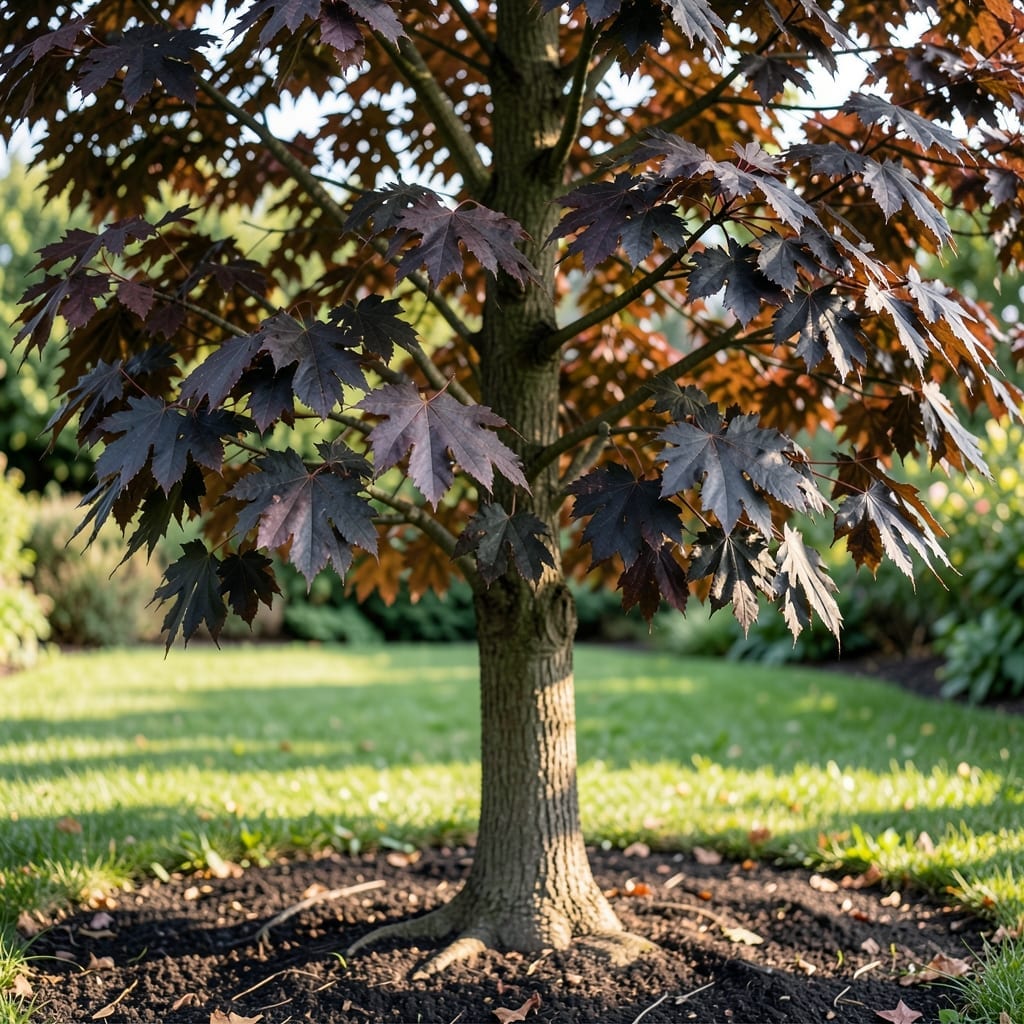
Black spots on your maple leaves aren’t just ugly—they’re a warning sign. I’ve seen entire canopies turn from vibrant green to blotchy black overnight, and the culprit is usually tar spot fungus.
The good news? This isn’t a death sentence. Tar spot thrives in wet springs, but with the right approach, your tree can bounce back. I’ve nursed maples through this, and the key is acting before the fungus spreads.
You’ll need to remove fallen leaves, improve airflow, and apply a fungicide at the right time. Skip this, and next year’s outbreak will be worse.
Prevention is simpler than treatment. A little cleanup now saves you a season of frustration later.
Maple tree leaves turning black is often a sign of underlying stress or disease. Here are the most common causes, explained simply and scientifically:
Rhytisma acerinum is the primary fungal culprit. This pathogen thrives in cool, wet conditions, infecting leaves in spring. It creates raised, black, tar-like spots that disrupt photosynthesis. The fungus overwinters in fallen leaves, so removing leaf litter in autumn can break its lifecycle.
Prolonged drought, waterlogging, or extreme temperatures can cause leaf necrosis (tissue death), turning leaves black. Maples need consistent moisture—1–1.5 inches of water per week—and well-draining soil. Heatwaves above 90°F (32°C) may also scorch leaves, especially in exposed canopies.
Sap-sucking pests like aphids or scale insects weaken trees, making leaves susceptible to sooty mold—a black fungal growth that feeds on pest honeydew. Check undersides of leaves for sticky residue or tiny insects. Neem oil or insecticidal soap can help control outbreaks.
A lack of essential nutrients, particularly potassium or magnesium, can cause leaf margins to blacken. Test soil pH (ideal: 6.0–7.5) and amend with compost or balanced fertilizer if deficiencies are confirmed.
In urban areas, ozone damage or particulate pollution can lead to blackened, crispy leaves. Maples near roads may suffer from salt spray in winter or exhaust fumes. Planting in sheltered locations or using anti-desiccant sprays can mitigate damage.
If your maple tree’s leaves are turning black, don’t panic—here’s how to tackle the most common causes and restore your tree’s health.
Rake and destroy (do not compost) fallen leaves to eliminate fungal spores. Apply a fungicide labeled for tar spot in early spring before new growth appears. For organic options, use neem oil or copper-based sprays, reapplying after rain. Prevention tip: 💡 Improve air circulation by pruning dense branches to reduce humidity around leaves.
Over- or under-watering can stress the tree, making leaves susceptible to blackening. Check soil moisture 2 inches deep—it should feel damp but not soggy. Water deeply once a week during dry spells, and mulch around the base (keep mulch 3 inches from the trunk) to retain moisture. Prevention tip: ✨ Use a soaker hose for slow, deep watering to encourage strong roots.
Look for aphids, scale, or mites on the undersides of leaves. Blast them off with a strong water spray, or apply insecticidal soap for severe cases. Introduce beneficial insects like ladybugs for natural control. Prevention tip: 🎯 Regularly inspect leaves in spring and early summer to catch pests before they multiply.
Protect the tree from extreme heat, drought, or salt spray (near roads). Use burlap wraps on the trunk in winter to prevent sunscald, and avoid planting in low-lying areas where cold air pools. Prevention tip: 🌡️ Choose native maple varieties better adapted to your climate for long-term resilience.
Test your soil for deficiencies (common in maples: magnesium or potassium). Apply a balanced, slow-release fertilizer in early spring or fall, following package instructions. Avoid over-fertilizing, which can burn roots. Prevention tip: 📊 Re-test soil every 2–3 years to monitor nutrient levels.
Tar spot rarely kills a tree but weakens it over time. Severely infected leaves can’t photosynthesize properly, so repeated outbreaks may reduce growth and vigor.
Apply in early spring just as leaves emerge, before the fungus can take hold. Reapply after heavy rain or as directed on the product label, typically every 2-3 weeks during wet seasons.
Yes, waterlogged soil suffocates roots, leading to blackened leaves from nutrient uptake failure. Ensure soil drains well and water only when the top 2 inches feel dry.
Check for sticky residue (honeydew) or tiny insects on leaf undersides. Sooty mold, a black fungus, grows on honeydew and indicates a pest problem.