
Beautiful Plants For Your Interior
Beautiful Plants For Your Interior
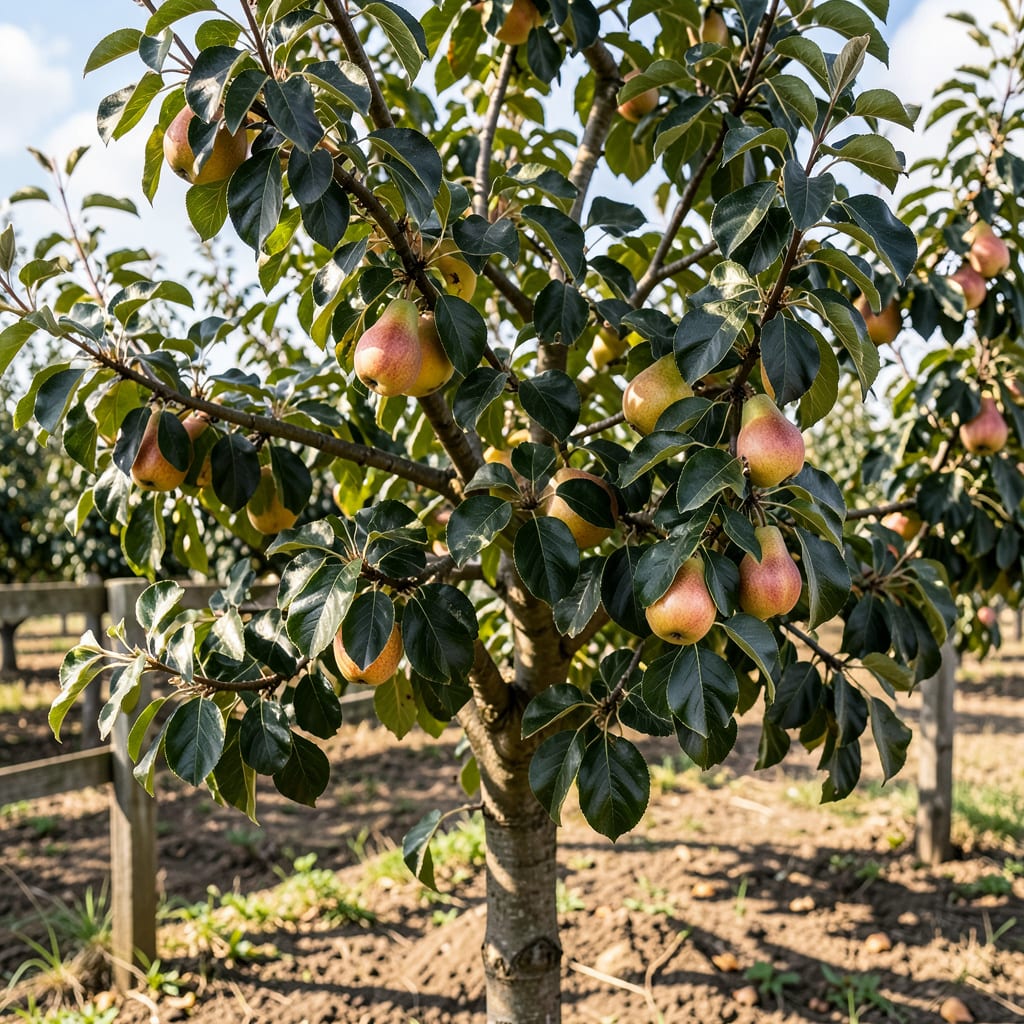
Black leaves on your pear tree aren’t just unsightly—they’re a red flag. I’ve seen entire trees defoliate in weeks when this issue goes unchecked, but early action can save your harvest and the tree itself.
The usual culprit is fire blight, a bacterial infection that spreads fast in warm, wet weather. It starts with dark spots, then turns leaves black as it moves through branches. Other causes include fungal diseases or even water stress, but the pattern is key.
Pruning infected limbs 6-12 inches below the damage stops the spread. Sterilize your tools between cuts with rubbing alcohol—this isn’t negotiable. A copper fungicide spray can help, but timing and coverage matter.
Prevention is simpler than cure: choose resistant varieties, space trees for airflow, and avoid overhead watering. Healthy trees bounce back faster when trouble hits.
Pear tree leaves turning black is often a sign of underlying stress or disease. Below are the most common causes, explained with actionable insights to help you diagnose the issue.
This bacterial infection is a primary culprit, thriving in warm, wet conditions. It spreads rapidly through bark and leaves, causing blackened, wilted foliage that appears scorched. The bacteria enter through blossoms or wounds, so prune infected branches immediately—at least 6–8 inches below visible damage—and sterilize tools with rubbing alcohol to prevent further spread.
Excess moisture suffocates roots, leading to root rot and nutrient uptake failure. Blackened leaves may signal oxygen deprivation or fungal growth (e.g., Phytophthora). Check soil moisture 2 inches deep—if soggy, reduce watering and improve drainage with compost or sand.
Late spring frosts can injure new growth, causing leaves to blacken as tissues die. Young leaves and blossoms are most vulnerable. Protect trees with frost cloth or mulch to insulate roots, and avoid late-season fertilizing, which encourages tender growth.
Fungi like Fabraea maculata (pear leaf spot) create dark lesions that merge into black patches. These thrive in humid environments. Remove fallen leaves, increase air circulation by thinning branches, and apply copper-based fungicides preventatively in early spring.
Severe deficiencies in magnesium or phosphorus can cause leaf discoloration, though blackening is less common. Test soil pH (ideal: 6.0–7.0) and amend with Epsom salt (for magnesium) or bone meal (for phosphorus) if levels are low.
Tackle blackened pear tree leaves with these targeted fixes. Address the root cause to restore your tree’s health and prevent future issues.
If fire blight is the culprit, act fast to stop its spread. Use clean, sharp pruners to remove infected branches at least 8–12 inches below the blackened area. Dip tools in a 10% bleach solution between cuts to avoid contamination. Dispose of pruned material in sealed bags—never compost it. Prevention tip: 💡 Apply copper fungicide spray in early spring before buds swell to create a protective barrier.
For fungal issues like pear scab or sooty mold, start by removing fallen leaves and debris to reduce spores. Thin out dense branches to improve airflow, which discourages fungal growth. Apply a fungicide (e.g., sulfur-based or neem oil) every 7–10 days during wet seasons. Prevention tip: 🌡️ Water at the base of the tree to keep leaves dry, and avoid overhead irrigation.
If pests like aphids or scale insects are causing blackened leaves (via honeydew and sooty mold), treat the tree with insecticidal soap or horticultural oil. Spray thoroughly, focusing on the undersides of leaves where pests hide. Prevention tip: ✨ Introduce natural predators like ladybugs or lacewings to your garden for long-term control.
Black leaves from drought or waterlogging? Adjust your care: Water deeply once a week during dry spells, ensuring soil drains well. For waterlogged trees, improve drainage by amending soil with compost or creating a small berm. Prevention tip: 🎯 Mulch around the base (but not touching the trunk) to retain moisture and regulate soil temperature.
Yellowing or blackening leaves may signal a lack of nutrients like magnesium or potassium. Apply a balanced fertilizer (10-10-10) in early spring, or use a foliar spray for quick absorption. Prevention tip: 🌱 Test your soil annually to catch deficiencies early and tailor your feeding plan.
No, black leaves can also result from fungal diseases, pest infestations, or environmental stress like frost or overwatering.
Fire blight can move through a tree in just a few weeks under warm, wet conditions. Prune infected branches 8–12 inches below damage immediately to stop it.
Yes, if caught early. Remove infected parts, improve airflow, and treat with fungicides or insecticides as needed. Preventative care is key for recovery.
Choose resistant varieties, space trees for airflow, avoid overhead watering, and apply copper fungicide preventatively in spring.
