
Beautiful Plants For Your Interior
Beautiful Plants For Your Interior
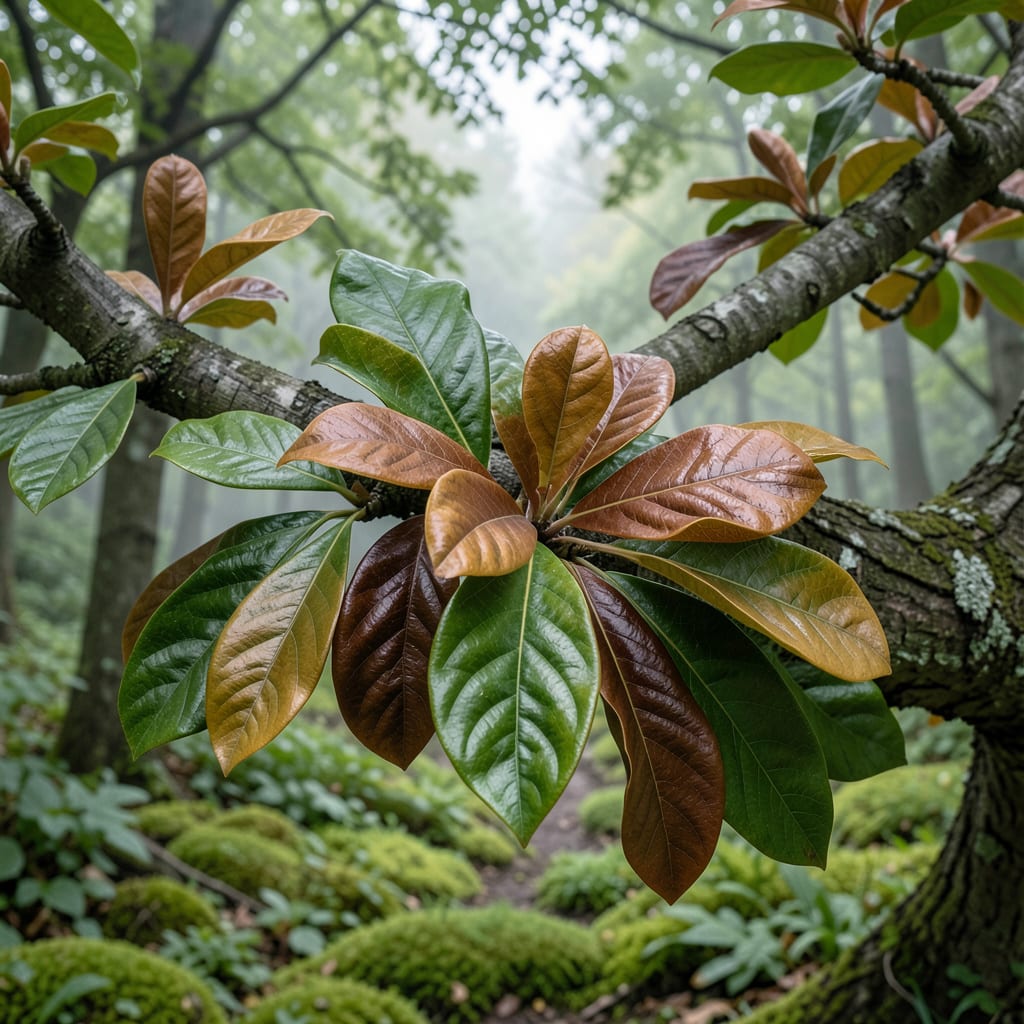
Brown leaves on your magnolia mean something’s off, but don’t panic—it’s fixable. I’ve seen this happen with both new and mature trees, and the culprit is usually one of three things: water stress, fungal trouble, or a soil issue.
Too much or too little water shows up first in the leaves. Fungal spots start as yellow halos before turning brown, and poor soil often leaves edges crispy. The good news? Each has a clear solution once you know what you’re dealing with.
With a little investigation and the right adjustment, your magnolia can bounce back. I’ve nursed trees through this, and the recovery—new green growth in weeks—is worth the effort.
Works for young saplings and established giants alike. Here’s how to diagnose and treat it.
Magnolia tree leaves turning brown often signal underlying issues that disrupt their health. Below are the primary causes, each with clear explanations and actionable insights.
Extreme temperatures, drought, or excessive heat can scorch magnolia leaves, leading to browning edges or tips. These trees thrive in consistent moisture and moderate climates. Prolonged exposure to dry winds or intense sunlight accelerates water loss, causing leaf desiccation.
Both overwatering and underwatering stress magnolias. Saturated roots suffocate, reducing nutrient uptake, while drought conditions force leaves to conserve water by browning and dropping. Ideal soil should be moist but well-draining.
Pathogens like Phytophthora root rot or leaf spot diseases thrive in wet conditions, attacking leaves and roots. Brown spots with yellow halos or wilting foliage often indicate fungal activity. Improve airflow and avoid overhead watering to prevent spread.
Lack of magnesium, iron, or nitrogen manifests as browning between leaf veins (interveinal chlorosis) or uniform discoloration. A soil test identifies deficiencies; amend with targeted fertilizers or organic matter.
Sap-sucking pests like scale insects or spider mites drain nutrients, causing stipled brown patches. Inspect leaf undersides for webbing or sticky residue (honeydew). Treat with neem oil or insecticidal soap for early infestations.
Addressing brown leaves on your magnolia tree starts with identifying the root cause. Here’s a practical guide to common issues and their fixes, along with prevention tips to keep your tree thriving.
If the issue is a lack of essential nutrients like magnesium, iron, or nitrogen, a soil test can confirm the deficiency. Amend the soil with the missing nutrients: use Epsom salt (magnesium), chelated iron, or a balanced fertilizer. For prevention, fertilize in early spring and mulch with organic matter to retain nutrients.
Both overwatering and underwatering can cause browning. Check the soil moisture 2 inches deep—it should be slightly damp. Water deeply once a week during dry spells, and ensure good drainage to avoid root rot. Mulching helps retain moisture and regulate soil temperature. 💡 Pro tip: Water early in the morning to reduce evaporation.
For leaf spot diseases or blight, remove affected leaves and dispose of them away from the tree. Apply a fungicide (copper-based) or bactericide as directed. Improve air circulation by pruning dense branches, and avoid overhead watering to prevent future infections.
If sun scorch, frost, or wind is the culprit, provide shade during peak heat, use burlap wraps in winter, or plant windbreaks. Young trees are especially vulnerable—stake them for support if needed. 🌡️ Pro tip: Water before a frost to insulate roots.
Inspect leaves for scale, aphids, or mites. Treat with neem oil or insecticidal soap, focusing on the undersides of leaves. Encourage beneficial insects like ladybugs by planting companion flowers. Regularly check for pests to catch issues early.
Water deeply once a week during dry periods, checking that soil is moist 2 inches down. Avoid daily light watering which encourages shallow roots.
Unfortunately, once leaves brown they won’t recover. Focus on correcting the underlying issue to support healthy new growth. Remove severely damaged leaves to redirect energy.
A copper-based fungicide works well for most magnolia leaf spots. Apply in early morning and avoid overhead watering to prevent recurrence. Always follow label instructions.
Test in early spring before new growth starts, or immediately if you notice persistent browning. A basic test checks pH and major nutrients for about $20.
