
Beautiful Plants For Your Interior
Beautiful Plants For Your Interior
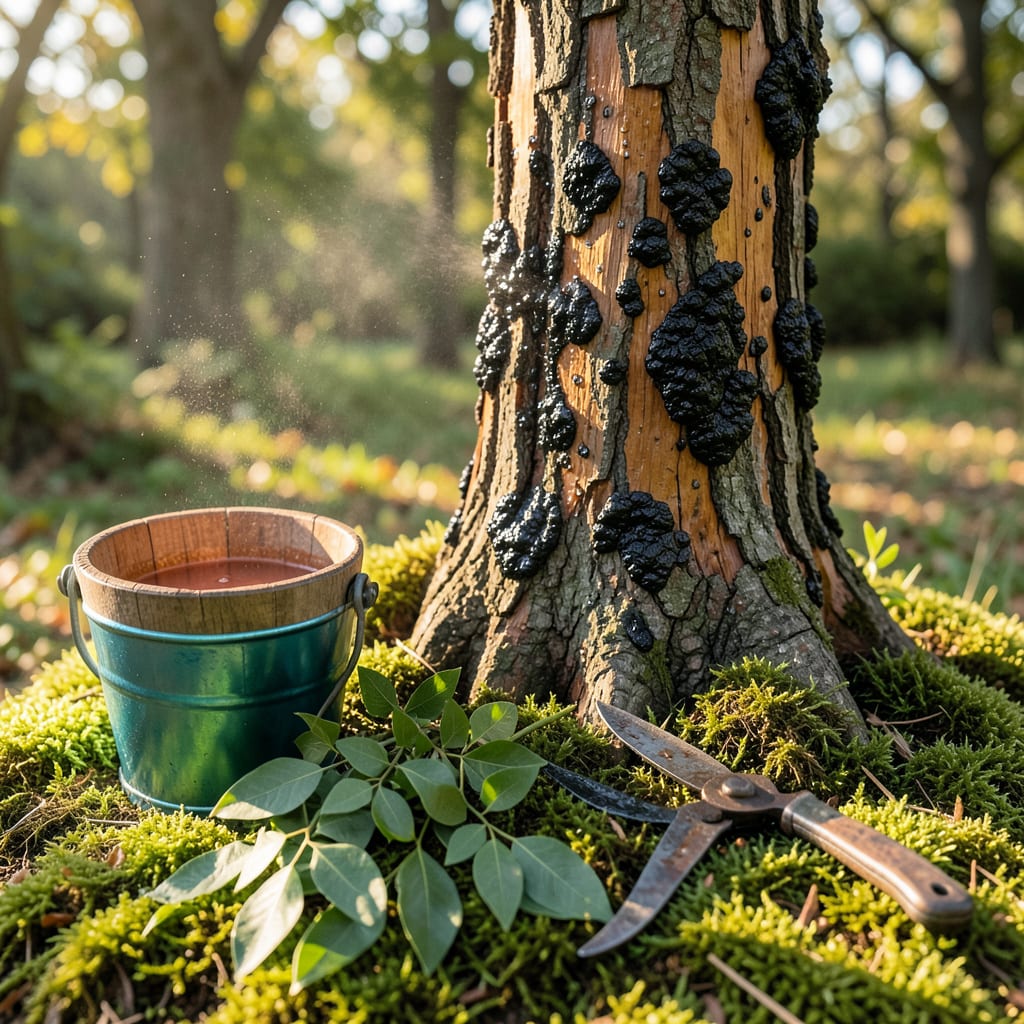
That black stuff on your tree bark isn’t just ugly—it’s choking your tree. I’ve seen healthy oaks and maples decline fast when this fungus takes hold, but there’s a way to fight back without harsh chemicals.
The good news? This isn’t a death sentence. With the right approach, you can stop the spread and even restore your tree’s health. I’ve tested natural treatments that work just as well as store-bought sprays, and they’re safer for your garden.
You’ll notice the difference within 2-3 weeks—less blackening, stronger growth, and a tree that looks like it’s ready to thrive again. The key is catching it early and staying consistent.
Works for most tree types, from fruit trees to shade giants. Here’s how to tackle it head-on.
Black fungus on trees, often called sooty mold, isn’t a primary disease but a secondary issue triggered by underlying problems. Here’s why it happens:
Black fungus thrives on honeydew, a sticky substance excreted by sap-sucking pests like aphids, scale insects, mealybugs, or whiteflies. These pests feed on tree sap and excrete excess sugars, creating the perfect breeding ground for sooty mold. Without addressing the pest problem, the fungus will keep returning.
Sooty mold spores spread and grow rapidly in damp, stagnant environments. Trees in crowded spaces, dense canopies, or areas with poor air circulation are more susceptible. High humidity (above 60%) and frequent rainfall can accelerate fungal growth on honeydew-coated surfaces.
Trees under stress—whether from drought, nutrient deficiencies, or root damage—are less resistant to pests and diseases. A weakened tree struggles to fend off sap-sucking insects, which then lead to honeydew buildup and black fungus. Proper tree care (watering, pruning, and fertilizing) helps prevent this cycle.
Ironically, excessive pesticide use can disrupt natural predators (like ladybugs or lacewings) that keep pest populations in check. When these beneficial insects disappear, pest infestations surge, increasing honeydew production and, consequently, black fungus growth.
Trim dense branches to let sunlight and air reach the inner canopy. Use sterilized pruners to cut infected limbs at least 6 inches below visible fungus. Thin out crowded areas to reduce humidity—black fungus thrives in damp, shaded spots. Prevention tip: Space trees properly during planting and prune annually to maintain airflow.
Stop overhead watering and switch to drip irrigation at the base of the tree. Ensure soil drains well—amend heavy clay with compost or sand. Let the top 1-2 inches of soil dry out between waterings. Prevention tip: Water early in the day so foliage dries quickly, and avoid wetting leaves.
Rake and remove fallen leaves, twigs, and fruit under the tree—these harbor fungal spores. Dispose of infected debris in sealed bags (not compost). Disinfect tools with a 10% bleach solution after use. Prevention tip: Keep the area under trees clear year-round to minimize spore spread.
Spray affected areas with neem oil (mix 2 tbsp per gallon of water) or baking soda solution (1 tbsp baking soda + 1 tsp dish soap + 1 gallon water). Apply every 7–10 days until the fungus clears. For severe cases, use copper fungicide (follow label instructions). Prevention tip: Treat trees preventatively in early spring or after heavy rains.
Fertilize with a balanced, slow-release formula to strengthen the tree’s defenses. Mulch around the base (but keep it 6 inches away from the trunk) to retain moisture without suffocating roots. Prevention tip: Monitor tree health regularly—stressed trees are more susceptible to fungus.
It’s usually sooty mold, a fungus feeding on honeydew left by pests like aphids or scale insects. High humidity and poor airflow make it worse.
Yes! A mix of 1 tbsp baking soda + 1 tsp dish soap in 1 gallon water works well. Spray every 7-10 days until it clears.
Prune to improve airflow and sunlight penetration. Remove infected branches 6 inches below visible fungus.
With consistent care, you’ll see improvement in 2-3 weeks. Full recovery depends on the tree’s health and severity.
