
Beautiful Plants For Your Interior
Beautiful Plants For Your Interior
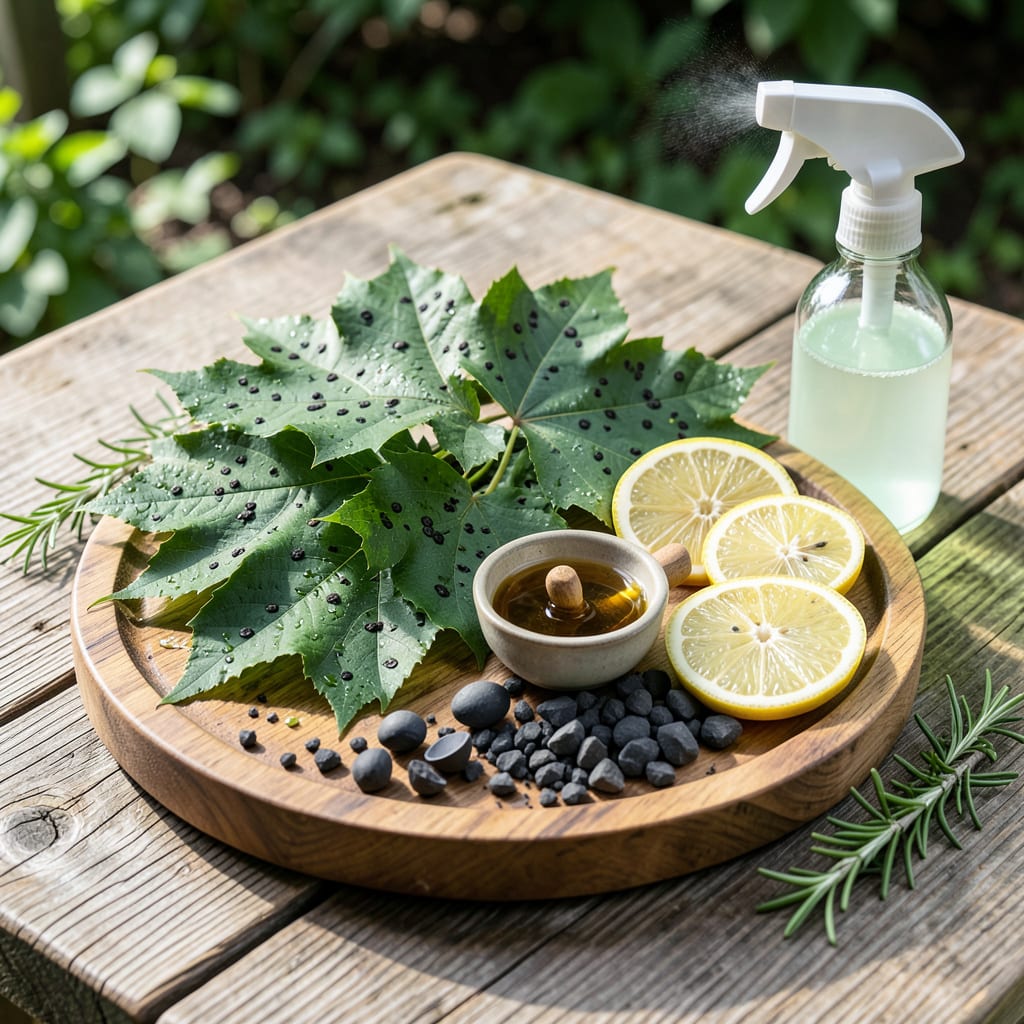
Those black spots on your tree leaves aren’t just ugly—they’re a warning sign. I’ve seen entire canopies turn crispy brown when left unchecked, but there’s a simple way to stop the spread.
Most cases come down to fungal invaders like anthracnose or bacterial leaf spot. They thrive in wet conditions, so improving air circulation and removing fallen leaves makes a huge difference.
Organic remedies like neem oil or copper fungicide work fast when applied early. Within 2 weeks, you’ll see new growth coming in clean and healthy.
Prevention is easier than treatment, so I’ll show you how to keep your trees spot-free next season. No harsh chemicals required.
Black spots on tree leaves often signal underlying issues that disrupt a tree’s health. Understanding the root causes helps you target the right treatment. Here are the most common culprits:
Fungi like Cercospora, Anthracnose, or Leaf Spot thrive in warm, moist conditions. These pathogens produce spores that spread via wind or water, infecting leaves and creating dark, irregular spots. Overhead watering or poor air circulation exacerbates fungal growth.
Bacteria such as Pseudomonas syringae or Xanthomonas cause water-soaked lesions that turn black as they dry. They enter through wounds or stomata (leaf pores) and spread rapidly in wet, humid weather. Pruning tools or insects can also transmit these bacteria.
Insects like aphids, scale, or mites pierce leaf tissues, creating entry points for secondary infections. Their feeding can also weaken trees, making them more susceptible to fungal or bacterial spot diseases. Look for sticky residue (honeydew) or visible pests alongside the spots.
Extreme heat, drought, or nutrient deficiencies (e.g., potassium or magnesium) can cause leaf discoloration, including black or dark brown patches. Poor soil drainage or excessive fertilization may also stress trees, reducing their resistance to diseases.
Herbicides, improperly applied pesticides, or even air pollution (e.g., ozone damage) can scorch leaves, leaving blackened areas. Always follow label instructions for foliar sprays to avoid phytotoxicity.
Identifying the exact cause is key to effective treatment. Observe the spot pattern, leaf location, and accompanying symptoms (e.g., yellow halos, leaf drop) to narrow it down.
Addressing black spots on tree leaves starts with identifying the root cause and applying targeted solutions. Below are practical fixes for common issues, along with prevention tips to keep your trees healthy.
Mix 1 tablespoon of neem oil and 1 teaspoon of mild soap in a gallon of water. Spray the solution on affected leaves every 7–10 days until the spots disappear. Prevention tip: 💡 Ensure good air circulation by pruning dense branches and avoiding overhead watering.
Apply a ready-made insecticidal soap or make your own by mixing 1 tablespoon of dish soap with a quart of water. Spray directly on pests like aphids or scale insects. Prevention tip: 🎯 Encourage natural predators (e.g., ladybugs) by planting companion flowers like marigolds.
Reduce watering frequency and ensure the soil drains well. For potted trees, check that drainage holes aren’t clogged. Prevention tip: ✨ Water early in the morning to allow foliage to dry quickly, reducing fungal growth risk.
Use a balanced fertilizer (e.g., 10-10-10) or one rich in the missing nutrient (e.g., magnesium for yellowing with black spots). Follow package instructions for application rates. Prevention tip: 🌡️ Test soil annually to monitor nutrient levels and adjust fertilization accordingly.
Shield trees from extreme weather (e.g., frost cloth for cold snaps) and avoid planting in high-wind areas. Prevention tip: 🔥 Mulch around the base to retain moisture and regulate soil temperature.
Consistency is key—monitor your trees regularly and act at the first sign of trouble!
Apply neem oil every 7–10 days until the spots disappear. Spray in the evening to avoid burning leaves in direct sunlight. Consistency is key for full recovery.
Yes! Excess moisture creates ideal conditions for fungal growth. Reduce watering and ensure proper drainage to prevent recurrence.
Prune and dispose of spotted leaves to stop the spread. Disinfect pruning tools with rubbing alcohol between cuts.
Not always. Start with organic options like neem oil or insecticidal soap. Only use stronger fungicides if the problem persists after 2 weeks.
