
Beautiful Plants For Your Interior
Beautiful Plants For Your Interior
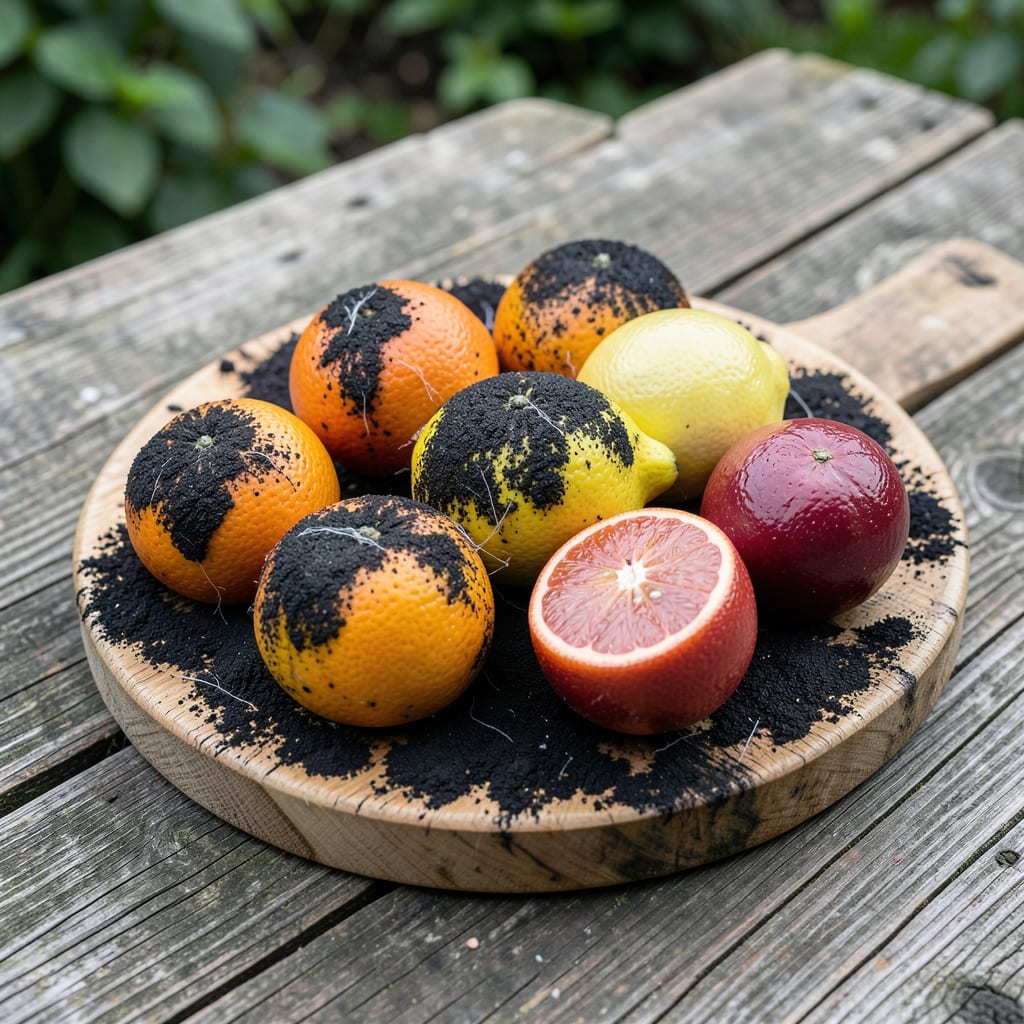
That black coating on your citrus leaves isn’t dirt—it’s sooty mold, and it’s stealing sunlight from your plants. I first noticed it after an aphid outbreak, the sticky honeydew they left behind creating the perfect breeding ground for this fungus.
Here’s the thing—sooty mold doesn’t directly kill citrus, but it weakens them by blocking photosynthesis. The real culprits are usually pests like aphids or scale that leave behind that sticky residue the fungus feeds on.
You’ll see leaves turning yellow and growth slowing as the black coating spreads. But here’s the good news: with the right approach, you can clear it up within 2-3 weeks and prevent it from returning.
Works for all citrus varieties, from lemon trees to potted calamondins. Let’s tackle this step by step.
Sooty mold on citrus trees is a secondary issue triggered by underlying problems. This black, crusty fungus doesn’t attack the plant directly but thrives on the honeydew secreted by sucking pests. Below are the primary causes:
The most common culprit is honeydew-producing insects like aphids, scale, mealybugs, and whiteflies. These pests pierce the plant’s phloem to feed on sap, excreting sticky honeydew as a byproduct. Sooty mold spores Capnodium spp. and others land on this sugary residue and germinate, forming dark, soot-like colonies. Without controlling these pests, the mold will persist.
Warm, humid climates (60–80°F with high moisture) accelerate sooty mold growth. Citrus trees in poorly ventilated areas or those with dense canopies trap humidity, creating ideal conditions for both pests and mold. Overhead irrigation can also worsen the problem by spreading honeydew and spores.
Stressed citrus trees—often due to nitrogen excess or phosphorus deficiency—produce softer new growth that attracts sap-sucking pests. Weakened trees lack the vigor to resist infestations, indirectly fostering sooty mold. A balanced fertilizer (e.g., 6-6-6) and proper watering can reduce susceptibility.
Neglecting pruning or sanitation allows pest populations to explode. Fallen leaves, debris, or unpruned branches harbor pests and mold spores. Additionally, overcrowded plantings limit airflow, while dusty foliage (common in dry regions) can shield pests from predators and fungicides.
Sooty mold on citrus is unsightly but manageable. Here’s how to tackle it based on the root cause, along with prevention tips to keep your trees healthy.
Sooty mold thrives on the honeydew left by pests like aphids, scale, or mealybugs. Spray your citrus tree with insecticidal soap or neem oil to target these pests. For severe infestations, use horticultural oil or introduce natural predators like ladybugs. Once the pests are gone, the mold will fade over time.
Sooty mold loves damp, stagnant conditions. Prune dense foliage to allow sunlight and air to circulate freely. Space your citrus trees properly and avoid overhead watering to reduce humidity. A small fan can also help in greenhouse settings.
For a quick fix, wipe leaves with a damp cloth or spray them with a baking soda solution (1 tablespoon baking soda + 1 teaspoon dish soap + 1 gallon of water). Avoid harsh chemicals, as they can damage the tree. Focus on removing the mold without harming the plant.
With these steps, your citrus trees will stay vibrant and mold-free!
No, it won’t directly kill your tree. It blocks sunlight, weakening the plant by reducing photosynthesis. Address the underlying pest issue to restore health.
It can cover leaves within 1-2 weeks if pests like aphids or scale aren’t controlled. Warm, humid conditions speed up growth significantly.
Avoid harsh chemicals. A mild baking soda solution or soapy water works safely. Always rinse leaves afterward to prevent residue buildup.
Yes, the mold can coat fruit surfaces, making them look unappealing. The fruit remains edible but should be washed thoroughly before consumption.
