
Beautiful Plants For Your Interior
Beautiful Plants For Your Interior
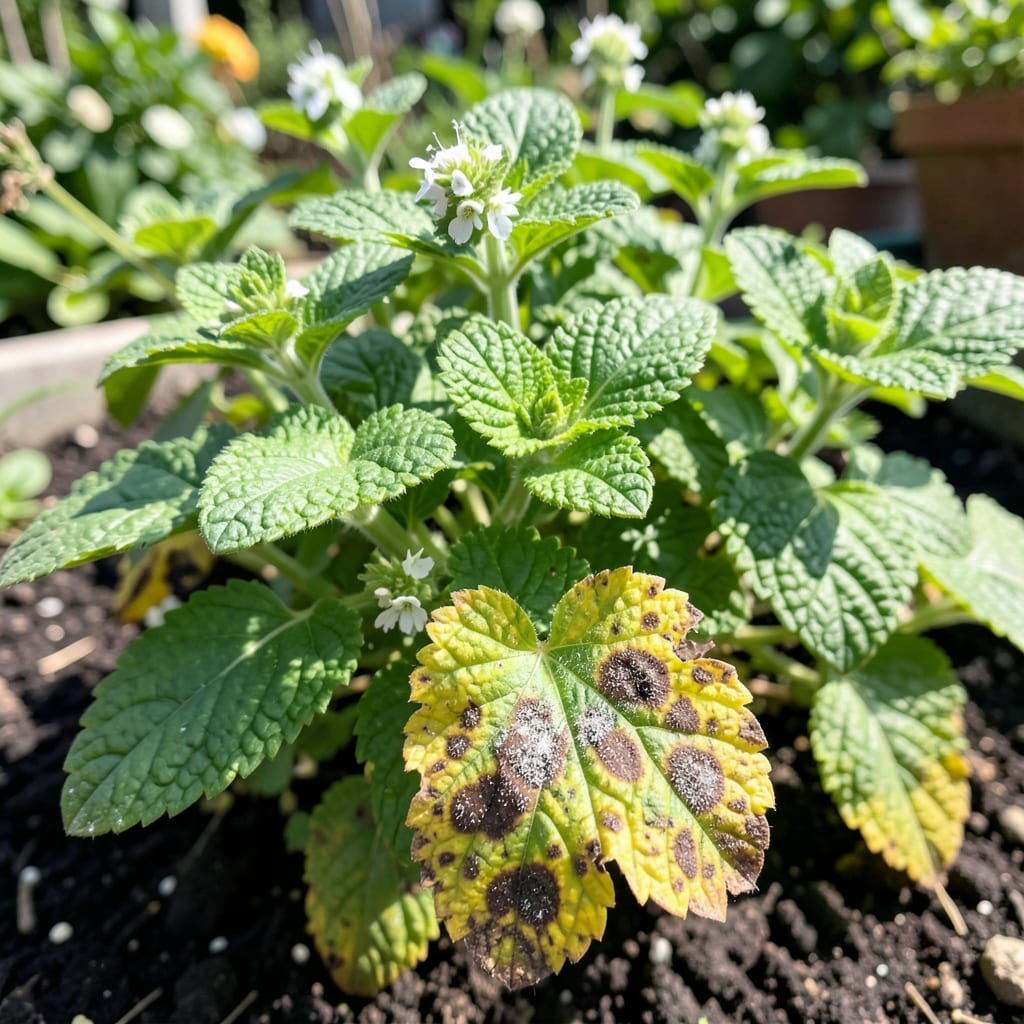
Lemon balm should be the easiest herb in your garden. I’ve watched healthy plants turn spotted and stunted overnight, and it always comes down to the same culprits: poor air circulation, soggy soil, or sneaky fungal spores.
The good news is most issues show early warning signs—yellowing leaves, powdery coatings, or blackened stems. Catch these symptoms fast and you can usually reverse the damage with simple adjustments to watering, spacing, or sunlight.
Prevention is easier than cure. 3 feet between plants, morning watering, and well-draining soil stop most problems before they start. The plants reward you with that bright citrus scent and vigorous growth.
Even when diseases hit, organic solutions like neem oil or baking soda sprays work without harsh chemicals. Your lemon balm can bounce back stronger than before.
Understanding the root causes of lemon balm diseases helps gardeners take proactive steps. Below are the primary triggers, each with actionable insights.
Fungi like Powdery Mildew and Root Rot thrive in damp, poorly ventilated conditions. Overwatering or high humidity creates the perfect breeding ground. Prevent this by ensuring proper drainage and spacing plants to improve airflow.
Extreme temperatures, drought, or waterlogged soil weaken lemon balm, making it vulnerable to infections. Heat stress can also invite pests like spider mites. Mitigate stress by mulching to retain moisture and using shade cloth during heatwaves.
Aphids, whiteflies, and spider mites pierce plant tissues, introducing viruses or secondary infections. These pests often target stressed or over-fertilized plants. Combat them with neem oil sprays or ladybug introductions for natural control.
Nutrient-deficient or compacted soil reduces plant vigor, leaving lemon balm susceptible to diseases like Verticillium Wilt. Boost soil health with compost and avoid over-tilling to preserve its structure.
Keeping your lemon balm healthy starts with quick action and smart prevention. Below are targeted fixes for common problems, paired with tips to stop them from returning.
If you spot white, powdery spots on leaves, prune affected areas immediately and space plants 12–18 inches apart. Water at the base in the morning so foliage dries quickly. Prevention tip: 💡 Use a fan for gentle air circulation in indoor setups or plant in breezy outdoor spots.
Blast pests off with a strong stream of water, then apply neem oil or insecticidal soap every 5–7 days until gone. Prevention tip: ✨ Attract ladybugs and lacewings—natural predators—by planting companion flowers like marigolds nearby.
Yellowing leaves and wilting? Stop watering and let the soil dry out. Repot in fresh, well-draining mix if the roots are mushy. Prevention tip: 🌡️ Always use pots with drainage holes and a gritty soil blend to avoid soggy conditions.
Cut off infected leaves and dispose of them in the trash (not compost). Disinfect pruners with rubbing alcohol between cuts. Prevention tip: 🎯 Avoid overhead watering and keep the garden clean of debris where bacteria can thrive.
With consistent care and these targeted steps, your lemon balm can bounce back—and stay vibrant for seasons to come.
Look for yellowing leaves, white powdery spots, or blackened stems. These often indicate fungal issues or pest infestations. Early detection is key to saving your plants.
Yes, soggy soil leads to root rot and fungal growth. Always use well-draining soil and pots with drainage holes to prevent waterlogging.
Neem oil, baking soda sprays, and companion planting with marigolds work well. These methods control pests and diseases without harsh chemicals.
Space plants 3 feet apart, water in the morning, and maintain good airflow. Healthy soil and proper care keep most issues at bay.