
Beautiful Plants For Your Interior
Beautiful Plants For Your Interior
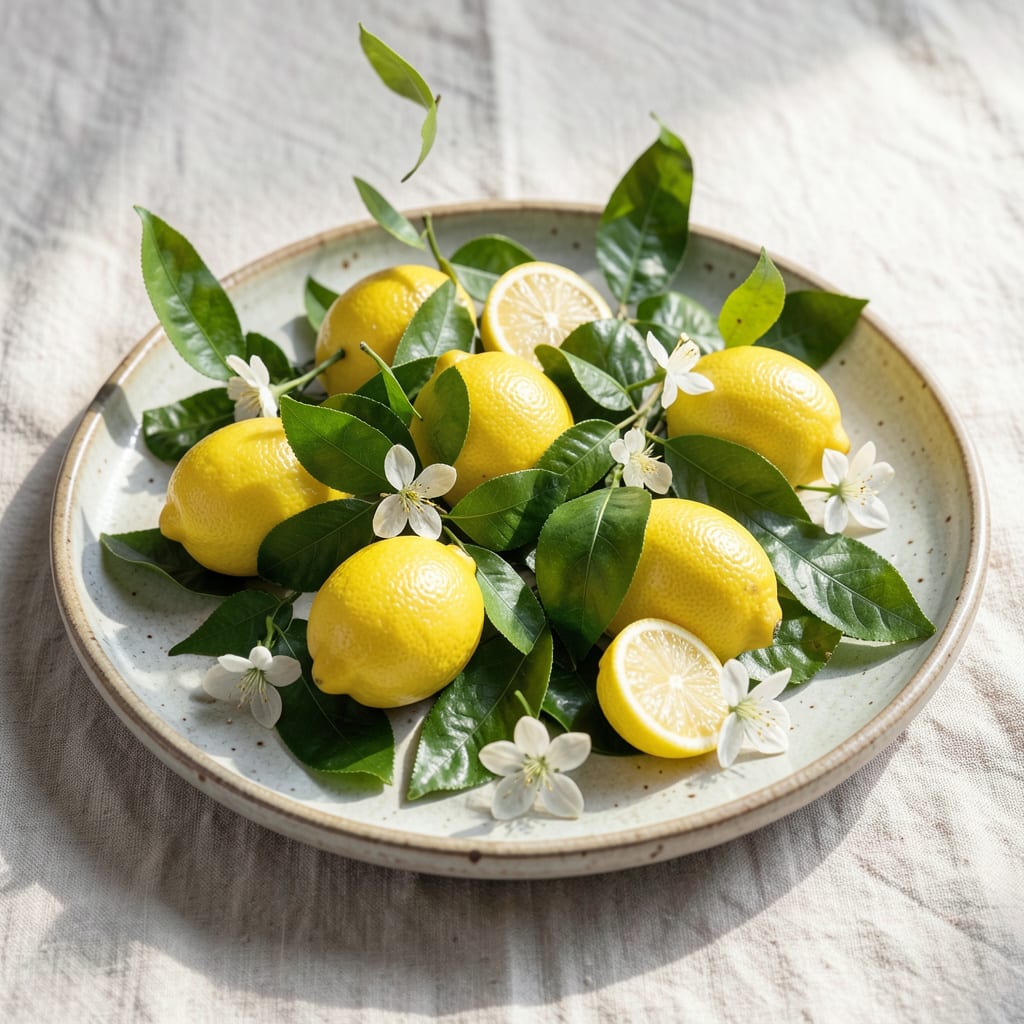
Nothing’s more disheartening than watching your lemon tree shed its leaves. I’ve been there—staring at a bare branch where lush green used to be, wondering what went wrong.
Most leaf drop comes down to simple fixes: too much or too little water, a hungry plant starved of nutrients, or pests throwing a party on your poor tree. The good news? These are all easy to diagnose and even easier to fix.
With the right care, you’ll see fresh growth returning within 2-3 weeks. The key is catching the issue early and addressing it directly—no guesswork needed.
Works for potted trees, backyard specimens, or even that stubborn lemon tree that’s never quite thrived. Let’s get to the root of the problem.
Lemon trees shed leaves for several reasons, often tied to stress or environmental factors. Below are the most common causes, explained with actionable insights.
Lemon trees thrive in warm climates (60–85°F). Sudden cold snaps below 50°F or heatwaves above 100°F trigger leaf drop as a survival response. Frost damage is especially severe, causing blackened leaves before they fall. Fix: Move potted trees indoors or use frost cloths in winter; provide shade during extreme heat.
Overwatering suffocates roots, leading to yellowing leaves that drop prematurely. Underwatering causes crisp, brown edges and leaf curling before detachment. Fix: Check soil moisture 2 inches deep—water only when dry. Ensure pots have drainage holes.
A lack of nitrogen (pale leaves), magnesium (yellow with green veins), or iron (yellowing between veins) weakens trees, prompting leaf loss. Poor soil pH (ideal: 6.0–7.0) can block nutrient uptake. Fix: Test soil and amend with citrus-specific fertilizer or Epsom salt (for magnesium).
Spider mites, aphids, or scale suck sap from leaves, causing stunted growth, yellowing, and drop-off. Look for webbing, sticky residue (honeydew), or white specks. Fix: Spray with neem oil or insecticidal soap weekly until pests are gone.
Citrus canker (brown, water-soaked spots) and root rot (wilting + leaf drop) thrive in wet conditions. Fix: Prune infected branches (sterilize tools!), improve airflow, and avoid overhead watering. Use copper fungicide for canker.
If your lemon tree is shedding leaves, quick action can restore its health. Below are targeted fixes for common causes, along with prevention tips to keep your tree thriving.
If the soil is dry and cracked, your tree is thirsty. Water deeply once or twice a week, allowing moisture to reach the root zone (about 12–18 inches deep). Use a moisture meter or stick your finger 2 inches into the soil—if it’s dry, it’s time to water. Prevention tip: Apply a 2–3 inch layer of mulch (wood chips or straw) around the base to retain moisture. 💡
Yellowing leaves and soggy soil signal overwatering. Stop watering immediately and let the soil dry out. Check the drainage—if water pools, amend the soil with perlite or sand. For potted trees, ensure the pot has drainage holes. Prevention tip: Water only when the top 1–2 inches of soil are dry. Use a well-draining potting mix if growing in containers. 🌡️
Pale or mottled leaves often mean a lack of nitrogen, magnesium, or iron. Use a balanced citrus fertilizer (10-10-10 or 12-6-6) every 4–6 weeks during the growing season. For iron deficiency (yellow leaves with green veins), apply chelated iron. Prevention tip: Test your soil annually and adjust fertilizers based on the results. ✨
Inspect leaves for pests like aphids, scale, or spider mites. Blast them off with a strong stream of water or apply neem oil for mild infestations. For severe cases, use insecticidal soap or horticultural oil. Prevention tip: Spray leaves with water regularly to deter pests and encourage beneficial insects like ladybugs. 🎯
Lemon trees drop leaves in extreme heat or cold. Move potted trees indoors if temperatures drop below 50°F (10°C). In hot climates, provide afternoon shade. Prevention tip: Use frost cloths in winter and shade nets in summer to protect your tree. ❄️
Fungal infections (like root rot or leaf spot) cause black or brown spots. Prune affected leaves and branches with sterilized shears. Apply a copper-based fungicide and improve air circulation around the tree. Prevention tip: Avoid overhead watering and space trees properly to reduce humidity. 🌬️
Water deeply 1-2 times per week, checking that the top 2 inches of soil are dry first. Potted trees may need more frequent watering than in-ground ones.
Anything below 50°F can stress the tree, while frost (32°F) will damage leaves. Move potted trees indoors or use frost cloths during cold snaps.
No, once leaves turn yellow they won’t recover. Focus on fixing the underlying issue (nutrients, water, pests) to support new healthy growth.
Look for wilting leaves, foul-smelling soil, and roots that appear dark or mushy. Stop watering immediately and improve drainage to save the tree.
