
Beautiful Plants For Your Interior
Beautiful Plants For Your Interior
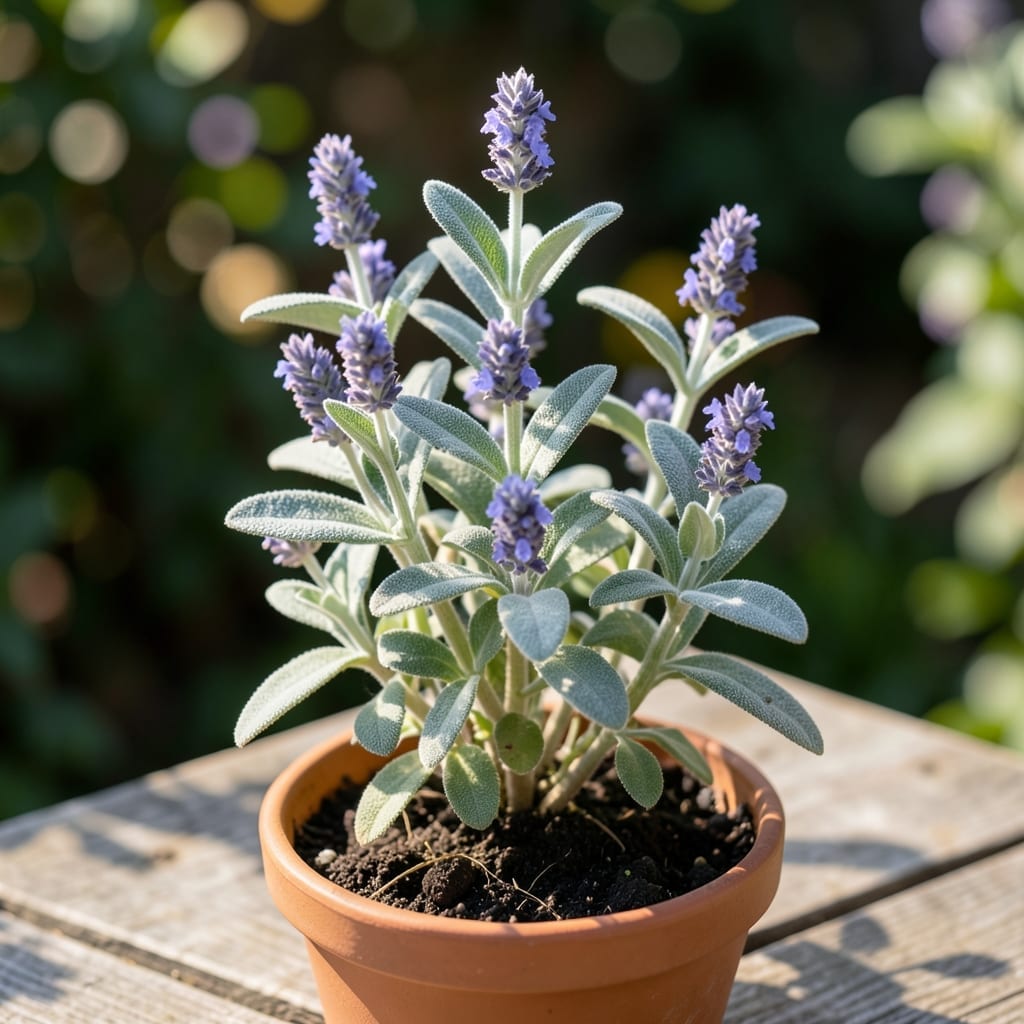
Sage leaves are elongated, oval-shaped with a soft, fuzzy texture. They are typically gray-green in color, growing 1 to 4 inches long with a wrinkled, pebbled surface and pointed tips.
I notice these leaves stand out in gardens because of their unique texture—almost velvety to the touch. Gray-green is the most common hue, but some varieties shift toward purplish or golden tones in different seasons. The wrinkled surface isn’t just for looks; it helps the plant retain moisture in dry conditions. ✨
Compared to other herbs, sage leaves are broader and more leathery, making them easy to spot. Their size can vary 1 to 4 inches, with the largest leaves often found on mature plants. 💫
💡 In This Article
The elongated oval shape of sage leaves isn’t random—it’s an adaptation for water conservation. The 1-4 inch length with pointed tips helps channel rainwater toward the plant’s base while reducing surface area exposed to harsh sun. This design is most pronounced in Salvia officinalis, the common culinary sage. 🌟
What really sets sage apart is its pebbled texture. Those tiny bumps are actually oil glands containing volatile compounds like thujone and camphor. When rubbed, these release the herb’s characteristic earthy aroma. The density of these glands creates that distinctive wrinkled surface you can both see and feel. ✨
Color varies significantly between varieties. Common garden sage sports that classic gray-green hue from dense hair-like trichomes. But purple sage displays deep violet tones, while golden sage offers chartreuse leaves. These color variations come from different concentrations of anthocyanins and chlorophyll. 💫
The leaf edges are another identifier. Unlike serrated herbs like parsley, sage leaves have smooth margins that sometimes curl slightly at the edges. This smooth edge combined with the fuzzy texture creates a unique tactile experience when handling fresh sprigs. 🔥
Size differences often indicate age and variety. Young plants typically produce smaller 1-inch leaves, while mature specimens can grow leaves up to 4 inches long. The largest leaves usually appear on the lower, older stems of the plant. ⚡
The soft texture comes from tiny hairs called trichomes covering the surface. These help the plant retain moisture and protect it from harsh sunlight. The fuzziness is most noticeable on mature leaves.
Sage has broader, 1-4 inch leaves with smooth edges and a velvety texture. Rosemary leaves are needle-like, darker green, and much thinner with a leathery feel.
No, color varies by type. Common sage is gray-green, but purple sage has deep violet leaves and golden sage features chartreuse foliage. These colors intensify in cooler weather.
Those tiny bumps are oil glands containing aromatic compounds. They create the wrinkled surface and release sage’s distinctive scent when rubbed. The texture helps identify fresh leaves.