
Beautiful Plants For Your Interior
Beautiful Plants For Your Interior
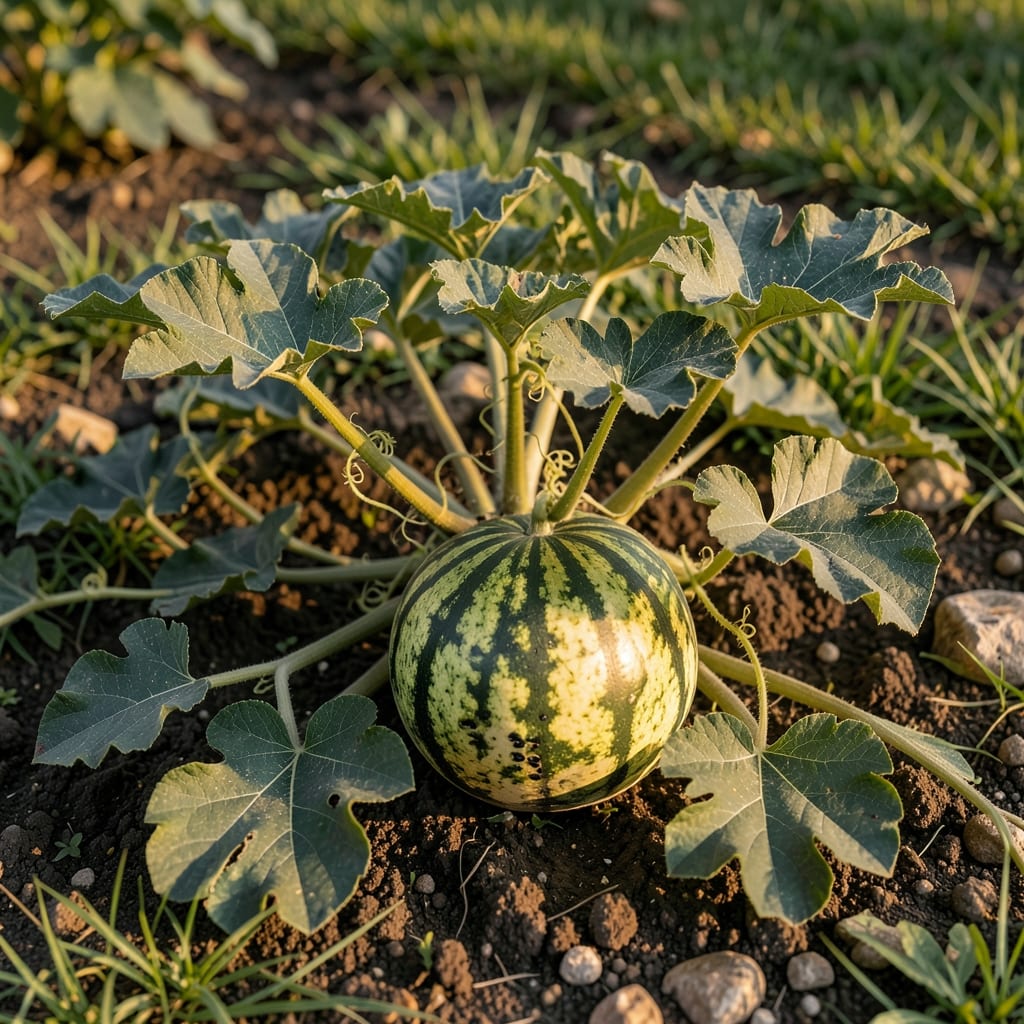
Watermelons infected with mosaic virus are generally safe to eat, but the fruit may be misshapen, stunted, or have poor flavor. The virus affects plant growth, not human health.
This plant-specific virus disrupts normal development, leading to mottled leaves and deformed fruit. While the quality suffers, the flesh remains edible and free from harmful pathogens. I’ve seen cases where infected melons still taste decent, though they lack the vibrant sweetness of healthy ones. 🔥
Growers should focus on prevention, as the virus spreads through aphids and contaminated tools. Regular scouting and resistant varieties can significantly reduce its impact on your crop. ⚡
💡 In This Article
The virus targets the plant’s vascular system, disrupting nutrient and water transport. This interference stunts cell division in developing fruit, leading to uneven growth patterns. The characteristic mottled rind appears as chlorophyll production becomes irregular in infected tissues.
Infected watermelons often weigh 20-30% less than healthy ones, with flesh that may be pale or mealy. The sugar content can drop by 15-20%, making the fruit noticeably less sweet. Some varieties develop hard, white streaks in the flesh where normal tissue development was interrupted.
What makes this virus unique is its host specificity. It can only replicate in plant cells, lacking the mechanisms to infect animal or human tissues. The viral proteins are completely broken down during human digestion, just like any other plant protein we consume daily.
Visual symptoms include distorted shapes, like flattened sides or pointed ends, rather than the typical round form. The rind may show yellow-green mosaic patterns, while the flesh sometimes develops watery spots. These physical changes don’t indicate toxicity, but rather the plant’s struggle to grow normally.
Research shows that even severely deformed watermelons maintain normal pH levels (5.2-5.8) and acidity. The only true risk comes from secondary issues—like cracks in the rind that could harbor bacteria—but these are environmental, not viral, concerns. 🔥
Yes, infected fruit often tastes blander with 15-20% less sugar. The flesh may be pale or mealy instead of crisp and sweet.
The odd shapes and mottled rinds are only cosmetic. As long as the flesh looks and smells normal, it’s safe to consume.
Look for yellow-green mosaic patterns on leaves or distorted fruit shapes. The rind may have unusual color streaking. These signs don’t affect edibility.
No need—it’s already safe raw. Cooking won’t improve flavor or texture of virus-affected fruit, though. Heat doesn’t remove the plant-specific virus.
Not for safety reasons. But since quality suffers, choose uniform, deep-green rinds for better taste and texture. Always check for firmness.