
Beautiful Plants For Your Interior
Beautiful Plants For Your Interior
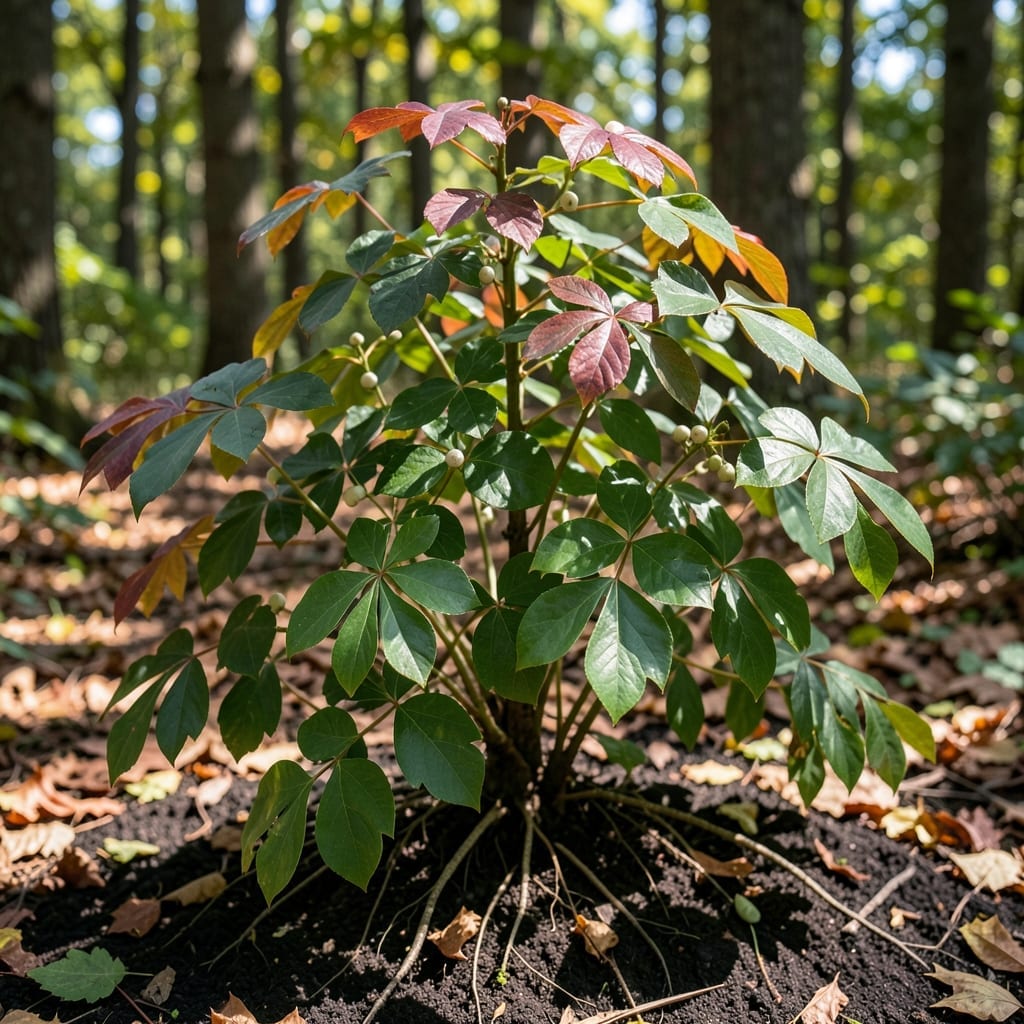
Poison ivy always has three leaflets per cluster, never five. The middle leaflet has a longer stem, and the edges may appear smooth or slightly toothed.
I’ve learned the hard way that this three-leaf pattern is nature’s warning sign. Virginia creeper, often confused with poison ivy, typically has five leaflets, which is why the old saying helps so much. 🌿 The middle stem on poison ivy’s center leaf is noticeably longer, creating an uneven look that’s hard to miss once you know what to spot.
💡 In This Article
Poison ivy’s three-leaflet structure is a botanical adaptation called a trifoliate compound leaf. This pattern emerges from a single bud at each node, with the center leaflet growing on a longer stem (1-3 inches) than the side ones.
The arrangement is alternate, meaning leaves grow in a staggered pattern along the vine, never directly across from each other.
The plant’s growth habit explains this consistent pattern. As a woody vine, poison ivy prioritizes climbing efficiency, and the three-leaflet design maximizes sunlight exposure while minimizing energy expenditure. Seasonal changes affect appearance too: spring leaves are often reddish, summer leaves turn deep green, and autumn brings vibrant reds, oranges, or yellows.
Regional variations exist but the three-leaflet rule remains absolute. In the northern U.S., leaves tend to be smaller (2-4 inches long) with smoother edges, while southern varieties may reach 6 inches with slightly toothed margins. The vine itself can be hairy or smooth, but the leaf cluster never deviates from three.
What most people overlook is the leaflet’s shape—typically oval with a pointed tip, resembling an almond or mitten. The edges may appear smooth from a distance but often have tiny teeth when examined closely. This combination of traits creates a signature look that’s unmistakable once you’ve seen it in different stages of growth. 🌿
Remember that poison ivy’s urushiol oil is present in all parts of the plant year-round, even in winter when leaves have fallen. The vine’s bark becomes more visible then, often showing a fuzzy, rope-like texture that can still trigger allergic reactions if touched. This consistency across seasons makes the three-leaflet pattern the most reliable identifier.
Poison ivy’s three-leaflet structure is a natural growth pattern called a trifoliate compound leaf. This design maximizes sunlight exposure while conserving energy as the vine climbs. The arrangement is always alternate, never opposite.
Virginia creeper is the most common lookalike with its five leaflets radiating from a single point. It has uniform, serrated leaves and produces blue berries in fall—unlike poison ivy, which never does.
No, poison ivy always has three leaflets per cluster. Even in winter when leaves drop, the vine’s structure remains consistent. The three-leaf pattern is the most reliable way to identify it.
Look from a distance first—never touch it. Note the leaf count, arrangement, and vine texture. If unsure, use a stick to gently lift a leaf cluster for closer inspection without direct contact.