
Beautiful Plants For Your Interior
Beautiful Plants For Your Interior
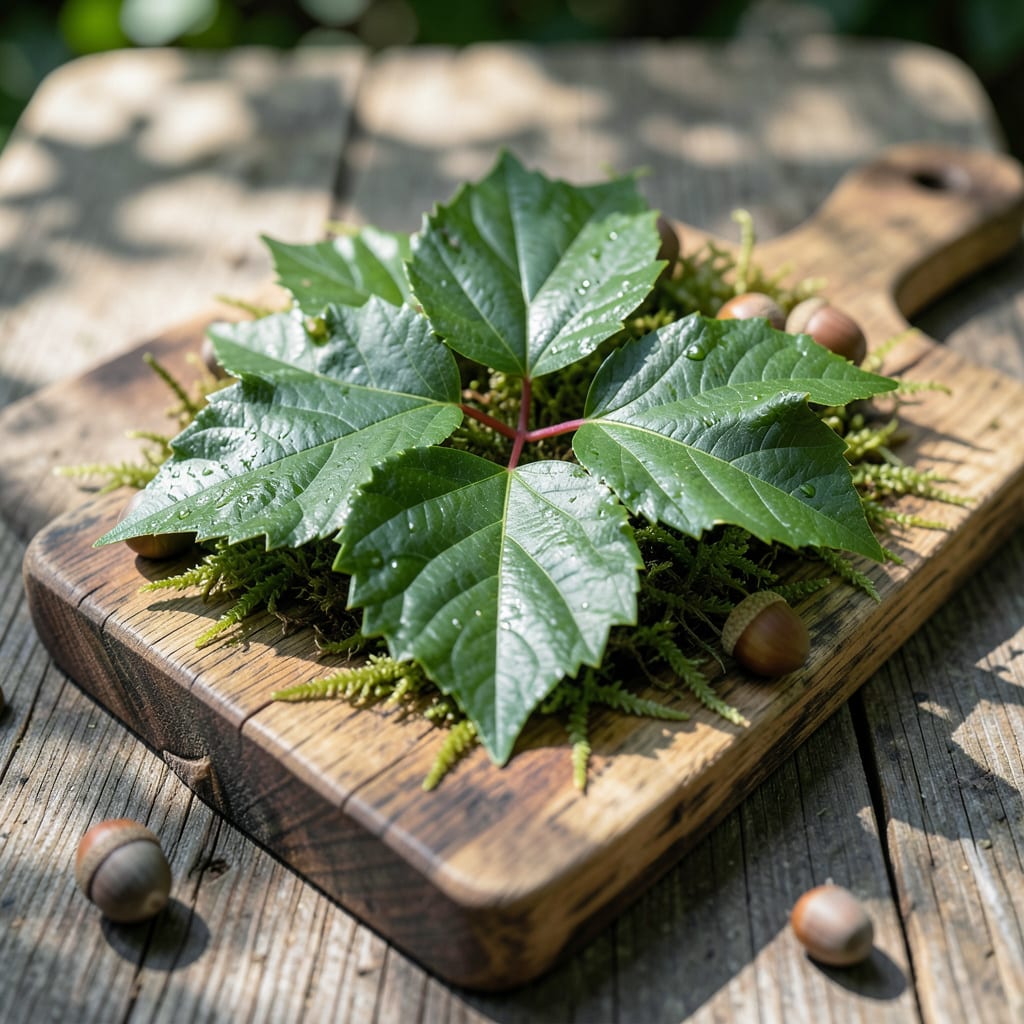
Three leaves? Not always the giveaway. Poison ivy’s alternate leaf pattern is the real clue—one leaf per stem node, never opposite each other.
I’ve spotted it hiding in plain sight, blending with harmless plants. Learn this simple trick to avoid the itchy aftermath and keep your garden safe.
📚 In This Guide
Use this simple method to spot the key characteristics and avoid dangerous mistakes.
Poison ivy grows as both a trailing vine and an upright shrub. I always start by scanning areas where it commonly thrives: fence lines, forest edges, and disturbed soil patches. Look for clusters of three leaflets emerging from a single point on the stem.
This plant often climbs trees with hairy, rope-like vines or sprawls across the ground. Don’t touch anything yet—first confirm the leaf pattern visually from a safe distance. The vines can appear smooth or fuzzy, but the leaf arrangement is your primary clue.
Focus on how the leaves attach to the stem. Poison ivy has an alternate leaf pattern, meaning the leaflets emerge at different heights along the stem rather than directly across from each other. This distinguishes it from lookalikes like boxelder, which have opposite leaf arrangements.
Each leaf cluster contains exactly three leaflets—never more, never less. The middle leaflet typically has a slightly longer stem than the two side leaflets. I check multiple clusters on the same plant, as the pattern remains consistent throughout.
The leaflets themselves have distinct features. They’re usually 2-6 inches long with smooth or slightly toothed edges. The surface appears glossy when healthy, though it can look dull in dry conditions. New leaves often have a reddish tint that darkens to green as they mature.
Look for a pointed tip and asymmetrical base where the leaf meets the stem. The middle leaflet’s stem is noticeably longer than the side leaflets’ stems. I’ve found that the edges sometimes appear slightly wavy, which helps differentiate it from other three-leaf plants.
Poison ivy changes appearance through the seasons. In spring, leaves emerge with a reddish hue and may have a smooth, shiny look. During summer, they turn bright to dark green. Come autumn, they transform into vibrant red, orange, or yellow colors.
Even in winter, the leafless vines remain identifiable by their hairy, rope-like appearance on trees. I check year-round because the plant maintains its toxicity even without leaves. The berries, which appear in late summer, are white and waxy—another identification marker.
Several harmless plants mimic poison ivy. Virginia creeper has five leaflets instead of three. Boxelder has three leaflets but with an opposite arrangement on the stem. Raspberry and blackberry canes have thorns and different leaf textures.
When in doubt, I remember this rhyme: “Leaves of three, let it be.” But the alternate leaf pattern combined with the three leaflets is the most reliable identifier. Never rely on a single characteristic—always check multiple features before making a final determination.
These practical insights will help you confidently spot the difference between poison ivy and harmless lookalikes.
Visual Confirmation: In Step 1, always examine the plant from multiple angles before approaching. Poison ivy’s three leaflets emerge from a single point on the stem, and this pattern remains consistent whether it’s climbing a tree or sprawling on the ground. The vines’ hairy texture is another clue, but the leaf arrangement is the most reliable indicator.
Leaf Pattern Focus: As mentioned in Step 2, the alternate leaf pattern is key. Unlike boxelder, which has leaves directly across from each other, poison ivy’s leaflets appear staggered at different heights. I always check several clusters on the same plant to confirm this pattern—it never changes.
Seasonal Awareness: Step 4 highlights how poison ivy changes through the seasons. In spring, the reddish leaves might fool you into thinking it’s harmless. By autumn, those same leaves turn vibrant red, orange, or yellow. Even in winter, the leafless vines remain toxic, so stay vigilant year-round.
Lookalike Differentiation: Step 5 warns about plants like Virginia creeper, which has five leaflets instead of three. Raspberry and blackberry canes have thorns, while poison ivy does not. When uncertain, remember that poison ivy’s middle leaflet always has a longer stem than the side leaflets—a detail that sets it apart.
Poison ivy has clusters of three pointed leaflets (“leaves of three, let it be”) with smooth or toothed edges. The middle leaflet often has a longer stem. Compare it to harmless lookalikes like boxelder or Virginia creeper, which have more leaflets or different arrangements.
Poison ivy releases its rash-causing oil, urushiol, year-round, but contact is most common in spring and summer when people are outdoors more. Even dead plants or contaminated tools can trigger a reaction, so stay cautious!
Yes! Try creeping thyme, clover, or periwinkle for low-maintenance, non-toxic ground covers. These alternatives are attractive, easy to grow, and won’t cause itchy rashes.
Wash the exposed skin immediately with soap and cool water to remove urushiol. Clean clothes, tools, or pets that may have touched the plant. If a rash develops, use calamine lotion or hydrocortisone cream to ease itching.
