
Beautiful Plants For Your Interior
Beautiful Plants For Your Interior
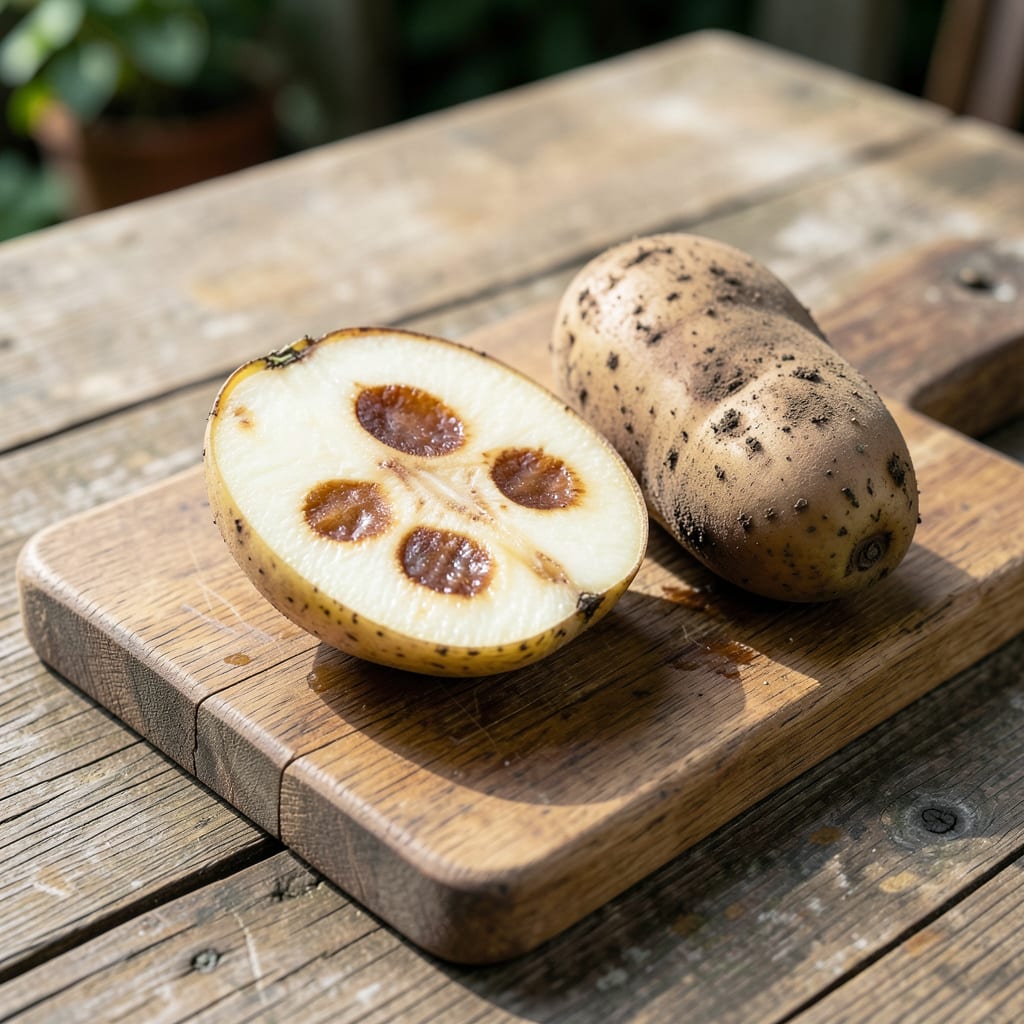
That brown spot inside your potato might just be a bruise, but it could also signal something more serious. I’ve learned the hard way that not all discoloration is harmless.
Most brown spots come from internal bruising or exposure to cold, which doesn’t make them unsafe. The real danger lies in green patches or sprouts, which indicate solanine—a natural toxin that can cause illness.
If the spot is small, dry, and the potato smells normal, it’s likely fine to eat after peeling. But if it’s soft, moldy, or has a foul odor, toss it immediately.
Prevention is simple: store potatoes in a cool, dark place and inspect them before cooking. When in doubt, remember that food safety always comes first.
Brown spots inside potatoes can be alarming, but understanding why they occur helps you decide whether that spud is still safe to eat. Here are the most common causes, explained with science-backed clarity:
When potato cells are damaged—whether from bruising, cutting, or even rough handling—their natural enzymes (polyphenol oxidase) react with oxygen in the air. This chemical reaction produces melanin, the same pigment responsible for browning in apples or avocados. It’s harmless and doesn’t affect taste or safety, just appearance.
Dropping or stacking potatoes too tightly can rupture internal cells without visible external damage. The bruised tissue oxidizes, creating brown or grayish spots. These spots are usually localized and don’t indicate spoilage, though the texture may be slightly mealy.
Less commonly, brown spots can signal bacterial soft rot or fungal infections like Fusarium. Unlike enzymatic browning, these spots often come with a foul odor, mushy texture, or dark streaks. If the potato smells off or feels slimy, discard it—these are signs of decay, not just cosmetic flaws.
Storing potatoes in too-cold (below 45°F/7°C) or too-warm conditions can trigger internal discoloration. Cold-induced sweetening (from starch converting to sugar) may lead to uneven browning when cooked. Meanwhile, heat stress can accelerate enzyme activity, causing premature browning.
If you’ve found brown spots inside your potatoes, here’s how to handle them—and stop them from happening again.
If the brown areas are small and the rest of the potato is firm and odor-free, simply cut out the discolored parts (plus a little extra margin). The unaffected flesh is usually safe to eat. Discard the potato entirely if it’s mushy, has a foul smell, or the brown spots are widespread.
Prevent internal browning by storing potatoes in a cool, dark, and dry place (45–50°F is ideal). Avoid the fridge—cold temps convert starch to sugar, worsening discoloration. Keep them in a ventilated bag or basket (not plastic) to reduce moisture buildup. Pro tip: 💡 Store away from onions to prevent gas buildup that speeds up spoilage.
Older potatoes are more prone to internal browning. Use them within 1–2 weeks of purchase for the best quality. If you must store longer, opt for waxy varieties like red or Yukon Gold, which resist browning better than russets.
If you’re unsure about a potato’s freshness, cook it thoroughly—heat kills many harmful bacteria. Avoid raw consumption (e.g., in salads) if there’s any doubt. For severely spotted potatoes, compost them to avoid risk.
Remember: When in doubt, throw it out! A few simple storage tweaks can keep your spuds spot-free and safe. ✨
Yes, if the spots are small, dry, and the potato feels firm with no foul odor. These are usually harmless bruises from internal damage.
Discard it if the spots are soft, mushy, or accompanied by a bad smell. These signs indicate spoilage or bacterial infection, which can be harmful.
Improper storage—like cold temperatures or high humidity—can cause internal browning. Store in a cool, dark, and dry place to prevent this.
No, green patches indicate solanine, a natural toxin. Always peel or discard potatoes with green discoloration to avoid illness.
