
Beautiful Plants For Your Interior
Beautiful Plants For Your Interior
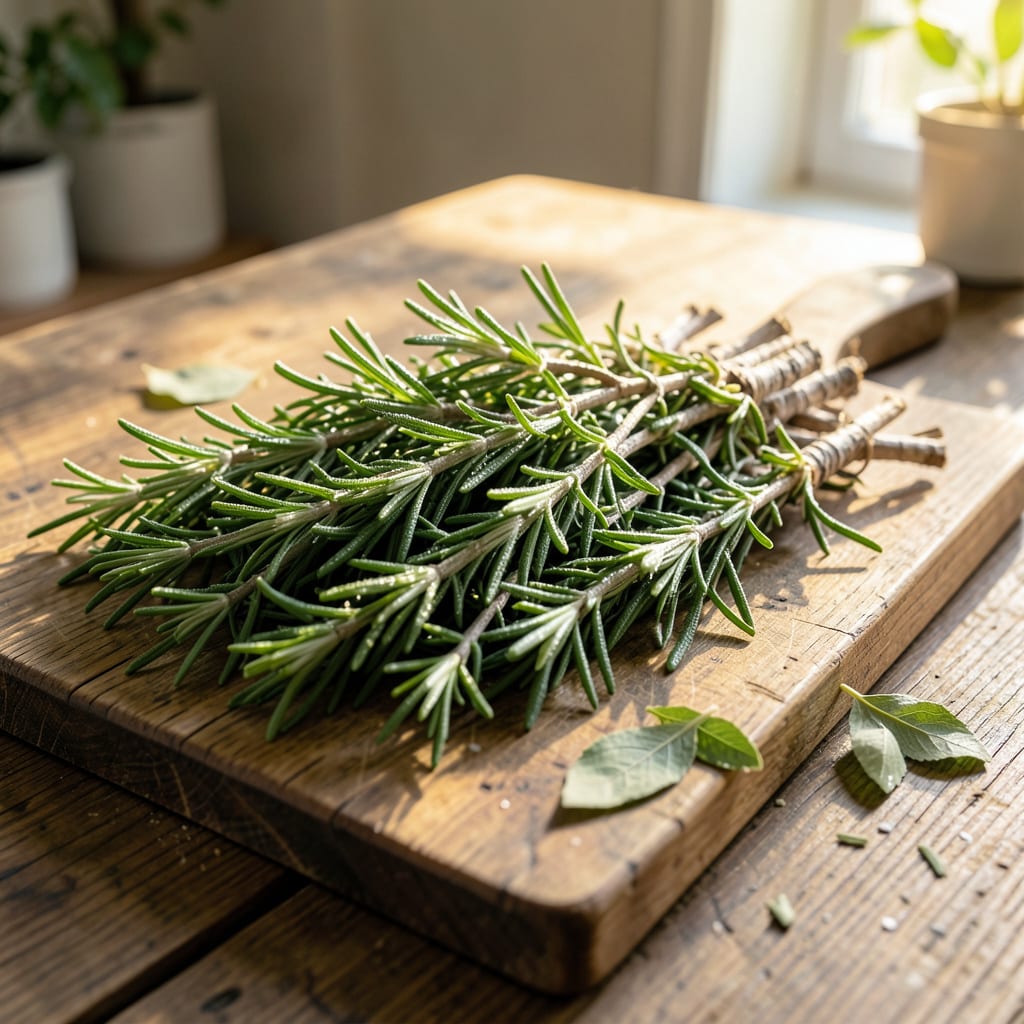
I used to let my rosemary harvest go to waste until I learned this simple preservation trick. Drying rosemary locks in that piney, fresh flavor for months without any fancy equipment.
You can air-dry bundles on a windowsill, use your oven on low, or even a food dehydrator. The key is patience and proper storage to keep the leaves fragrant and potent. Works every time.
📚 In This Guide
Here’s the simple method I use to lock in that piney aroma and flavor for months to come.
Pick stems in the morning after dew has dried but before the sun gets too hot—this is when the essential oils are most concentrated. Choose healthy, non-flowering stems about 6-8 inches long with plenty of fresh growth. Avoid woody parts at the very base of the plant.
Use clean, sharp pruners to make cuts just above a leaf node. This encourages bushier regrowth. Don’t wash the stems—water promotes mold during drying. If there’s visible dirt, gently wipe with a damp cloth and pat completely dry with paper towels.
Remove any wilted or discolored leaves. Bundle 5-7 stems together at the base. Secure with a rubber band or kitchen twine. The bundles will shrink as they dry, so tie them snugly but not so tight that it cuts into the stems.
Here’s the thing—don’t overthink the bundle size. Too large and the inner stems won’t dry properly; too small and you’ll have a dozen tiny bundles to manage. This size gives consistent airflow around each stem.
Hang the bundles upside down in a spot that stays 70-80°F with good air circulation. A closet, pantry, or even a paper bag with holes punched in it works perfectly. The darkness preserves the color and prevents the oils from degrading.
Space bundles 12-18 inches apart so air can move freely. You’ll know they’re drying properly when leaves feel crisp and brittle to the touch after 2-3 weeks. Check after 10 days—if stems snap cleanly, they’re done.
Once completely dry, gently strip the leaves from the stems by running your fingers from top to bottom. Discard any stems with remaining moisture. For whole leaves, store in an airtight glass jar in a cool, dark cupboard.
If you prefer powder, pulse the dried leaves in a clean coffee grinder or crush with a mortar and pestle. Store powder in a separate airtight container. Both forms keep their flavor for 6-12 months if stored properly.
Real talk: if you see any condensation inside the jar during storage, the leaves weren’t fully dry. Spread them out and dry for another 3-5 days before re-storing.
Small details make the difference between perfectly dried rosemary and a moldy mess.
The Harvest Timing: That morning window after dew dries but before the sun heats up is critical. I learned this the hard way after picking in the afternoon and losing half my batch to mildew. The essential oils are most concentrated then, giving you maximum flavor preservation.
Bundle Wisdom: When tying your 5-7 stems together, use rubber bands instead of twine. As the stems shrink during drying, rubber bands maintain tension while twine can loosen, letting stems slip out of the bundle and dry unevenly.
Drying Test: Don’t rely solely on the 2-3 week timeline. Start checking at 10 days by snapping a stem—if it breaks cleanly with a crisp sound, it’s ready. I’ve had batches finish in 12 days in ideal conditions, while others needed the full 3 weeks.
Storage Check: That 6-12 month flavor window only works if you catch condensation early. If you see even a drop of moisture in your jar, empty it immediately and spread the leaves out for another 3-5 days of drying. It’s worth the extra wait.
Air-drying takes 1-2 weeks, while oven-drying (at 180°F) or dehydrator methods take 2-4 hours. Ensure leaves are crisp and crumble easily when fully dry.
Yes! Spread leaves on a paper towel and microwave in 30-second bursts on low power. Check frequently to avoid burning. This method takes 2-4 minutes total.
Keep in an airtight container (like a glass jar) away from light and heat. Properly stored, dried rosemary retains flavor for up to a year.
Brown leaves often mean overheating or uneven drying. Lower the temperature or improve airflow. Discard any moldy or excessively dark leaves.
Yes! A fan on low setting improves circulation and reduces drying time to 3-5 days. Just ensure leaves aren’t clustered to prevent mold.
