
Beautiful Plants For Your Interior
Beautiful Plants For Your Interior
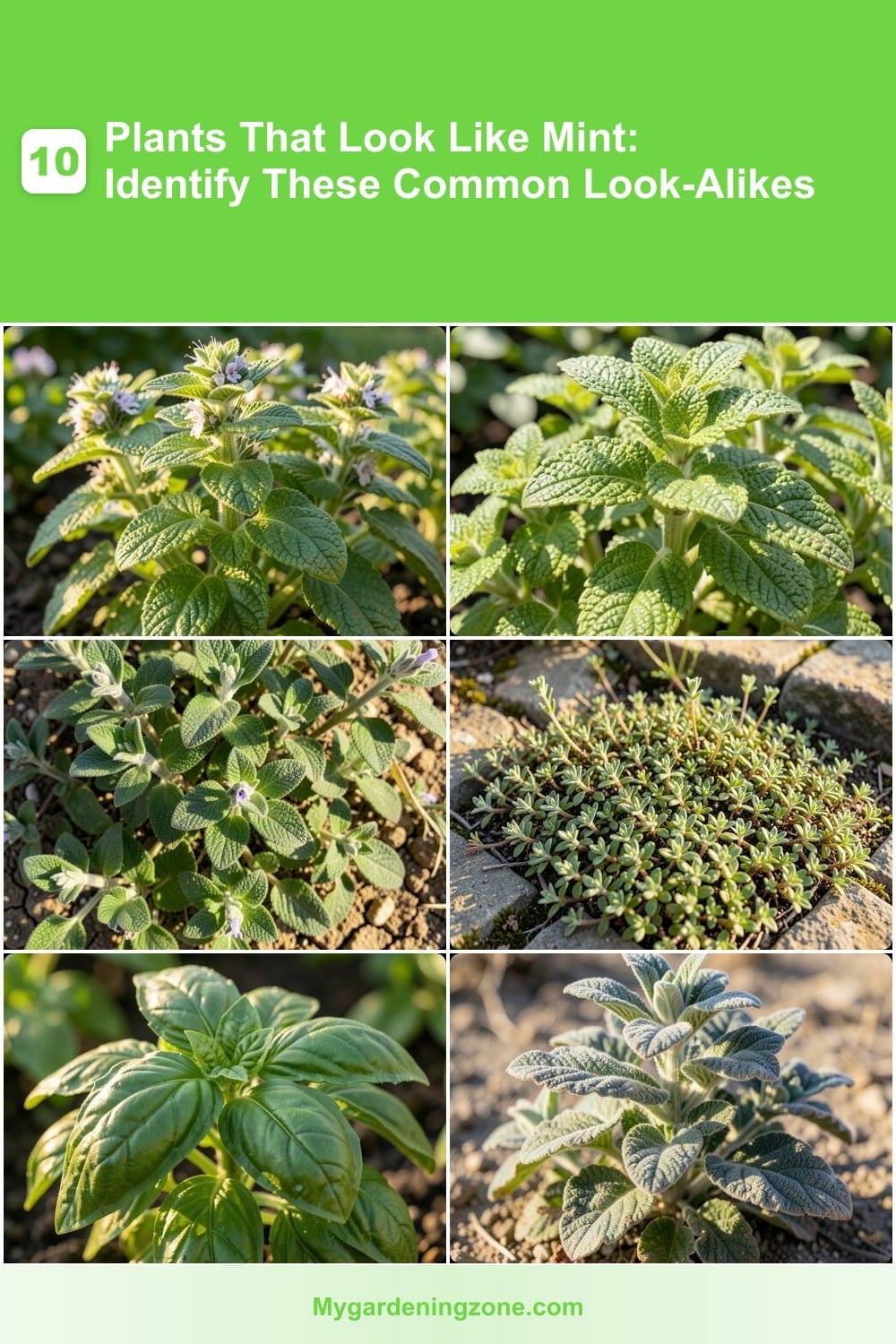
Mint’s distinctive square stems and fragrant leaves make it easy to recognize—until you spot its doppelgängers. These 10 plants share mint’s signature look but have their own unique traits, uses, and growing habits worth knowing.
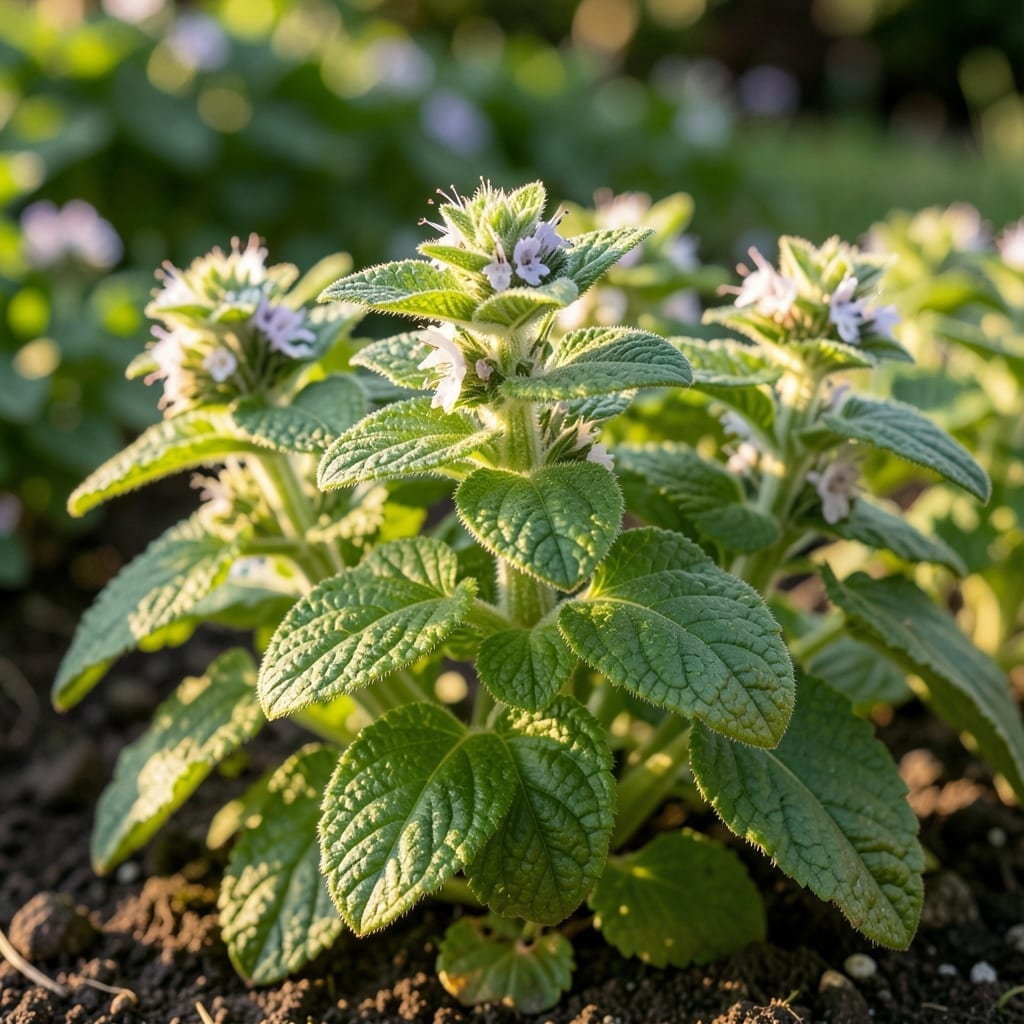
If your garden needs a plant that’s as entertaining for your cat as it is beautiful, catnip is the perfect choice. This mint family member shares the familiar leaf shape but stands out with its fuzzy, heart-shaped foliage.
Easy to grow in full sun to partial shade, catnip thrives in well-draining soil and spreads readily, making it ideal for pollinator-friendly beds. Its white flower clusters attract bees and butterflies, while its scent drives feline friends into a playful frenzy.
Pet owners and gardeners who love multi-purpose plants will adore this low-maintenance, high-reward addition. 🌿
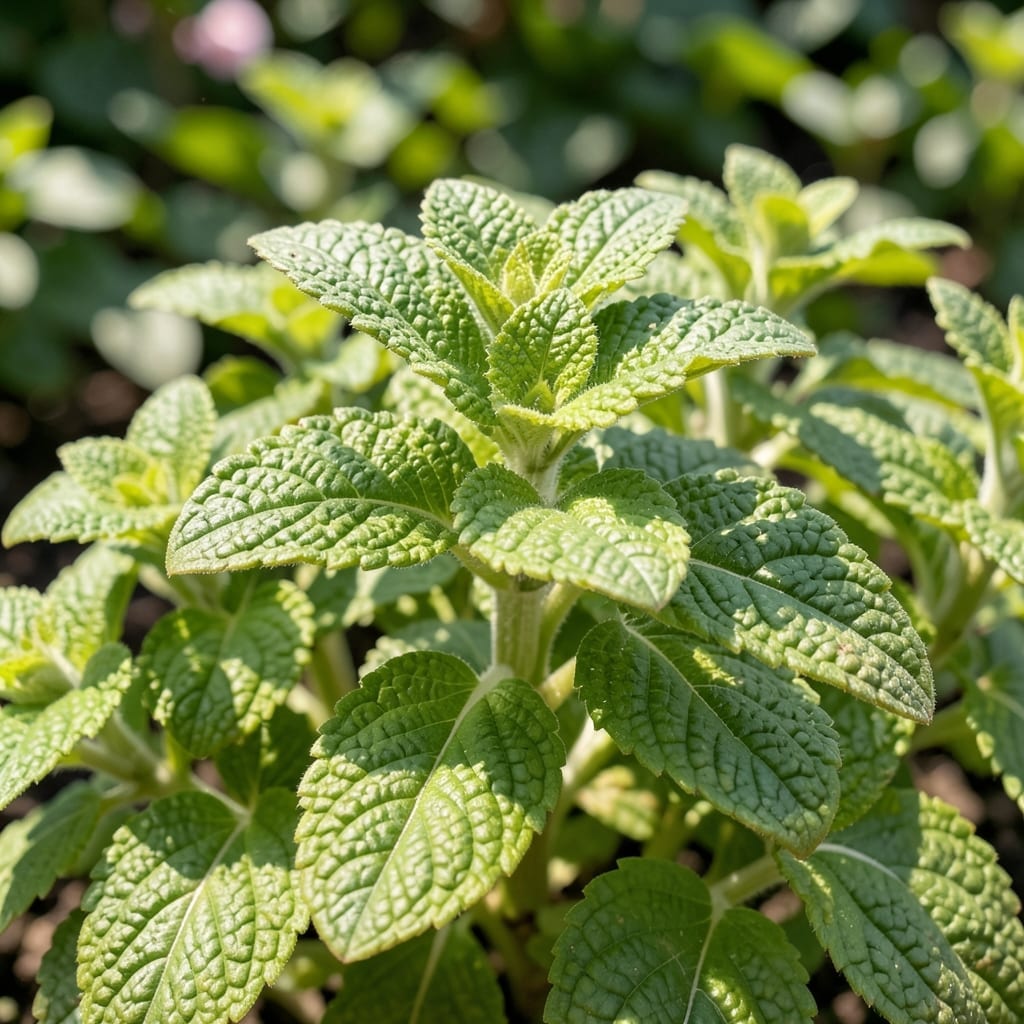
Don’t let the familiar shape fool you—lemon balm offers a delightful twist with its bright, wrinkled leaves that release a zesty citrus scent when touched.
This hardy perennial thrives in partial shade to full sun and spreads readily, making it perfect for borders or containers. It’s drought-tolerant once established and attracts pollinators with its tiny white flowers.
Herb gardeners and tea enthusiasts will love its soothing aroma and easy care, bringing both beauty and function to any space. 🌿
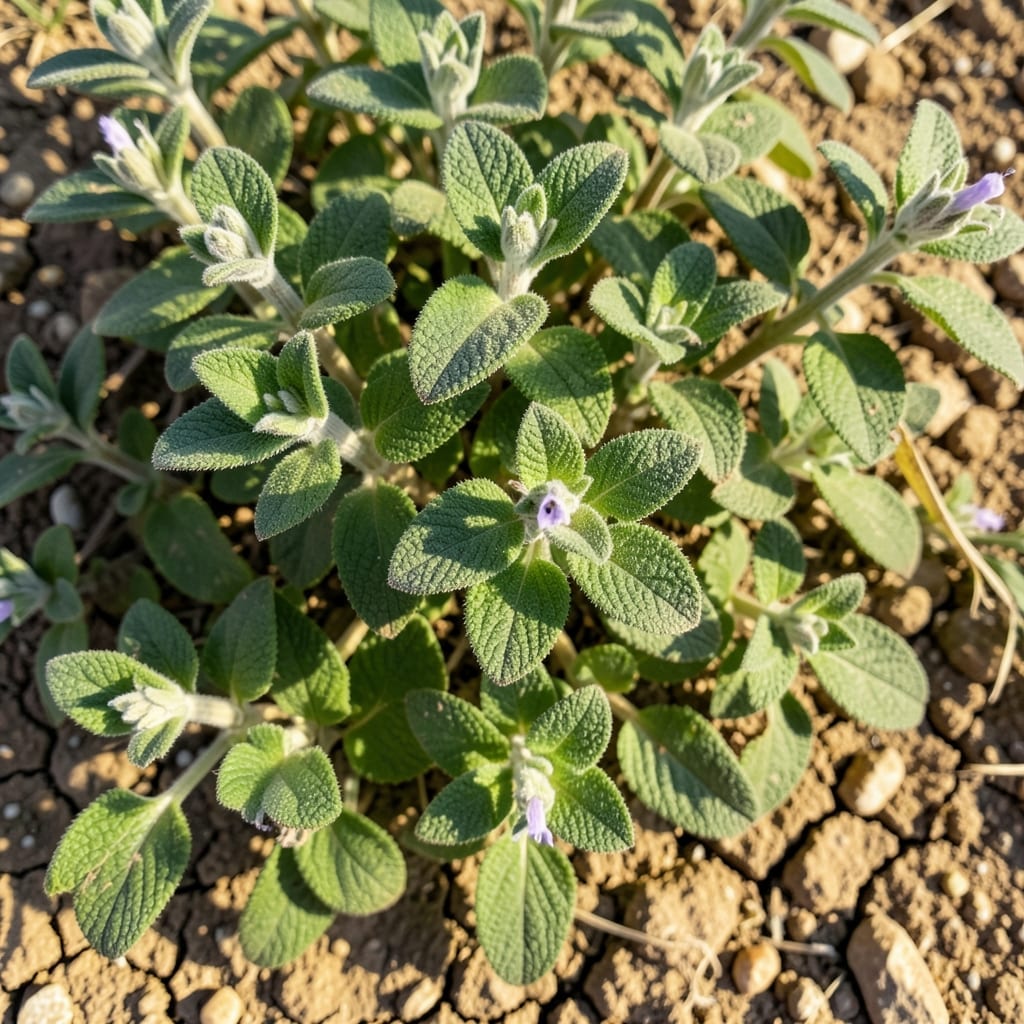
Don’t be fooled by its mint-like appearance—oregano packs a flavor punch that sets it apart. Its oval leaves and square stems mirror mint’s structure, but the pungent, earthy aroma is unmistakable.
Unlike mint, oregano thrives in hot, dry conditions with full sun, making it perfect for Mediterranean-style gardens. It’s drought-tolerant once established and even produces pretty purple flower spikes that attract pollinators.
Gardeners in sunny, arid climates will find this herb a reliable and flavorful addition to their landscape. 🌿
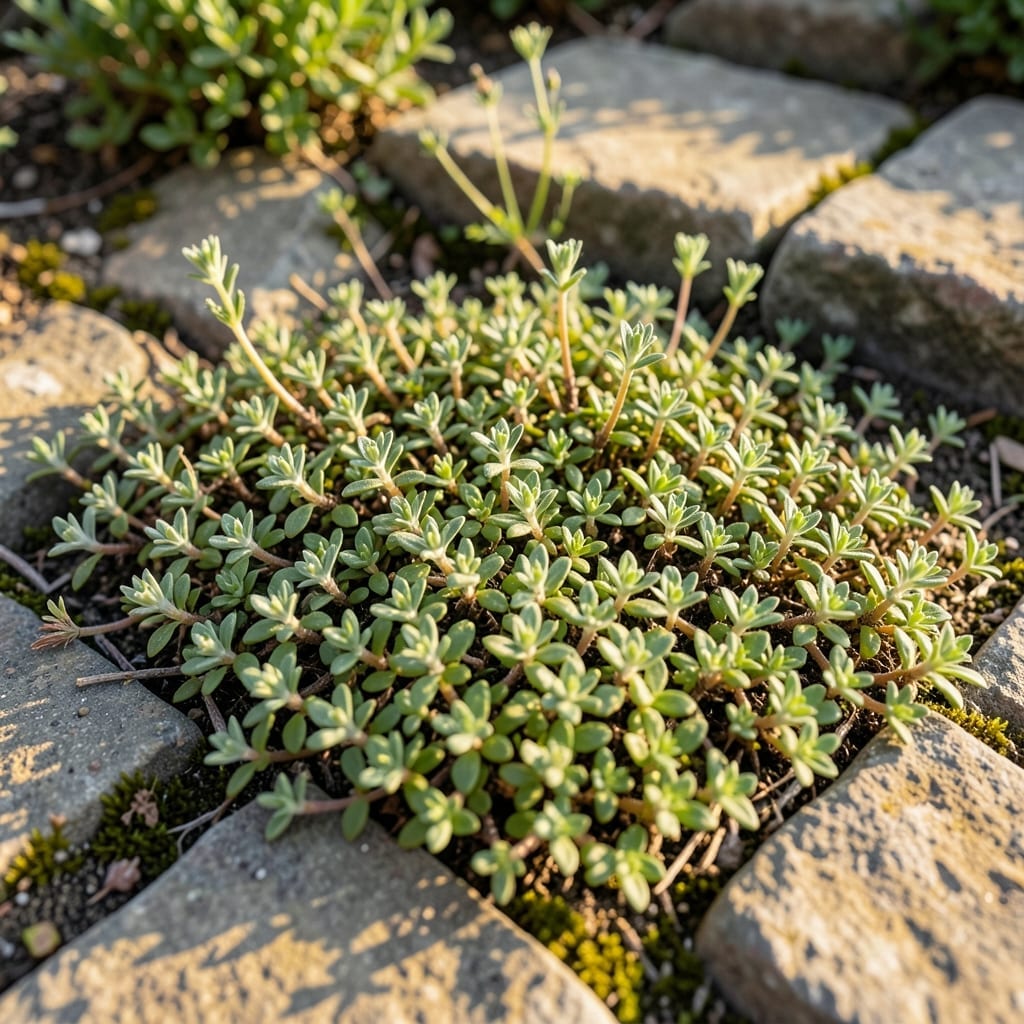
Need a low-maintenance ground cover that mimics mint’s charm? Thyme delivers with its tiny, oval leaves and woody stems, forming a dense, aromatic mat.
This drought-tolerant perennial thrives in full sun and poor soil, making it perfect for rock gardens or creeping between paving stones. Its delicate pinkish-purple flowers add a pop of color while attracting pollinators.
Ideal for gardeners who want beauty without the fuss, thyme stays lush even in dry spells. 🌿
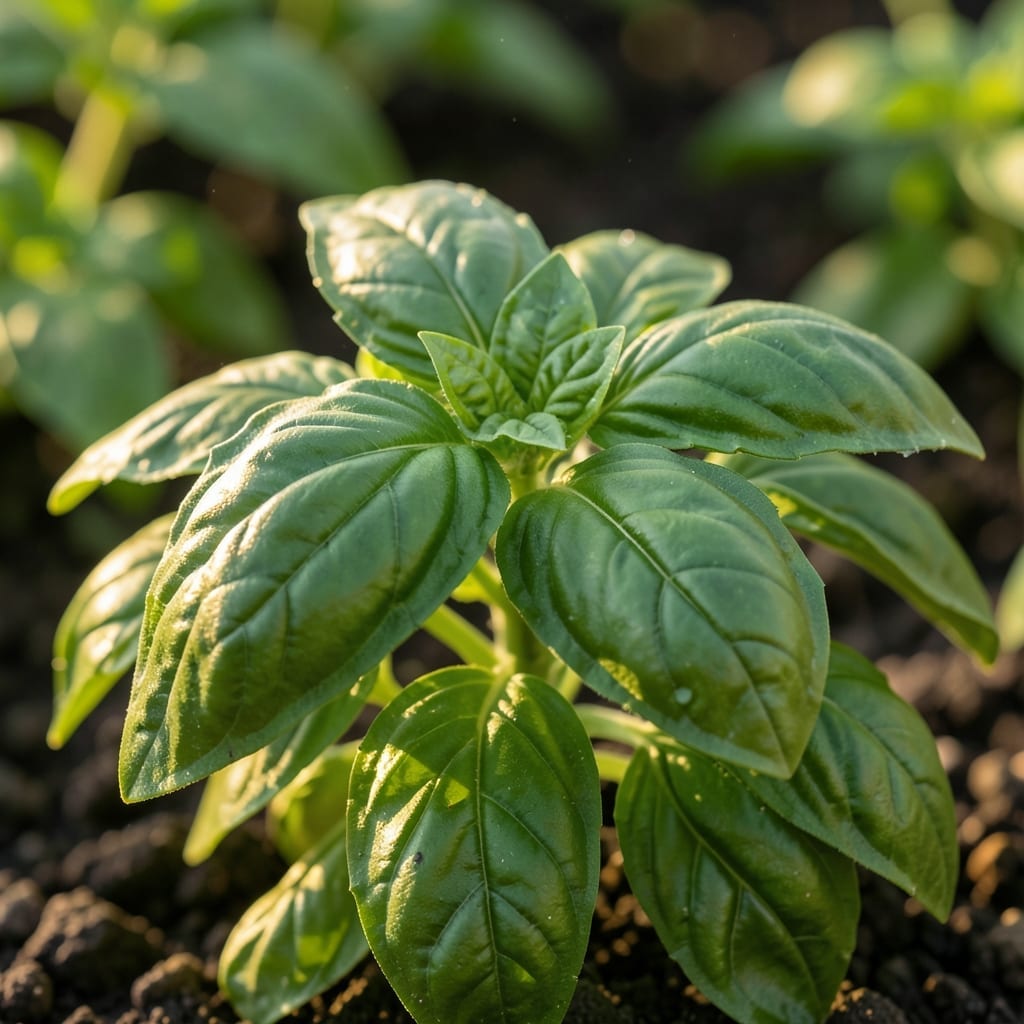
At first glance, basil shares mint’s familiar vein pattern, but its rounder, glossier leaves and sweet, peppery scent set it apart instantly. This aromatic herb is a staple in any culinary garden.
It thrives in warm, sunny spots with well-draining soil and needs regular watering to keep its leaves lush and flavorful. Pinch back flowers to encourage bushier growth and extend your harvest.
Perfect for gardeners who love fresh, homegrown flavors, basil transforms any dish with its vibrant aroma and taste. 🌿
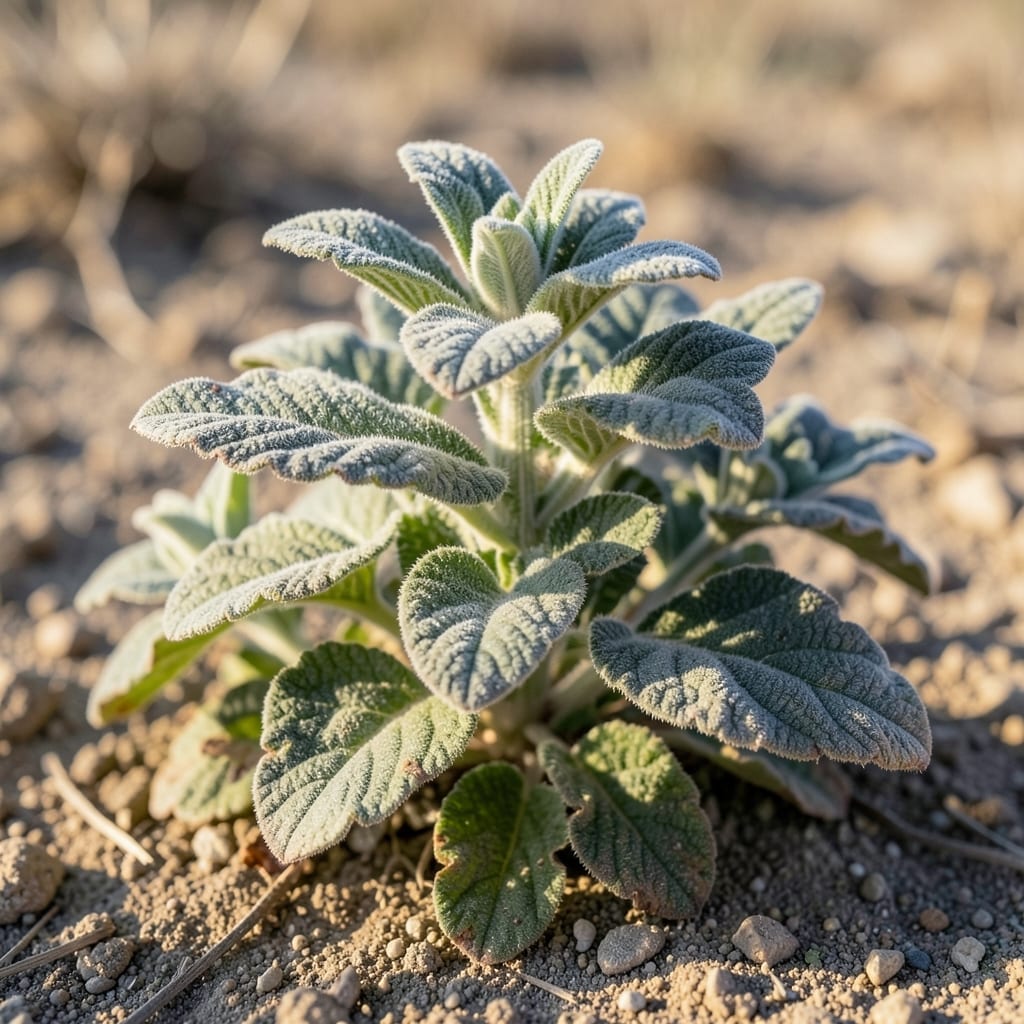
With its fuzzy, wrinkled leaves, horehound could easily pass for mint—but this wild plant has a storied past as a natural cough remedy. Its gray-green foliage and dry, sandy soil preferences set it apart from its minty cousins.
Horehound thrives in arid conditions where mint would struggle, making it perfect for xeric gardens. It produces tall spikes of small white flowers that attract pollinators, all while requiring minimal water once established.
Herbalists and gardeners in dry climates will appreciate its resilience and historical uses. 🌿
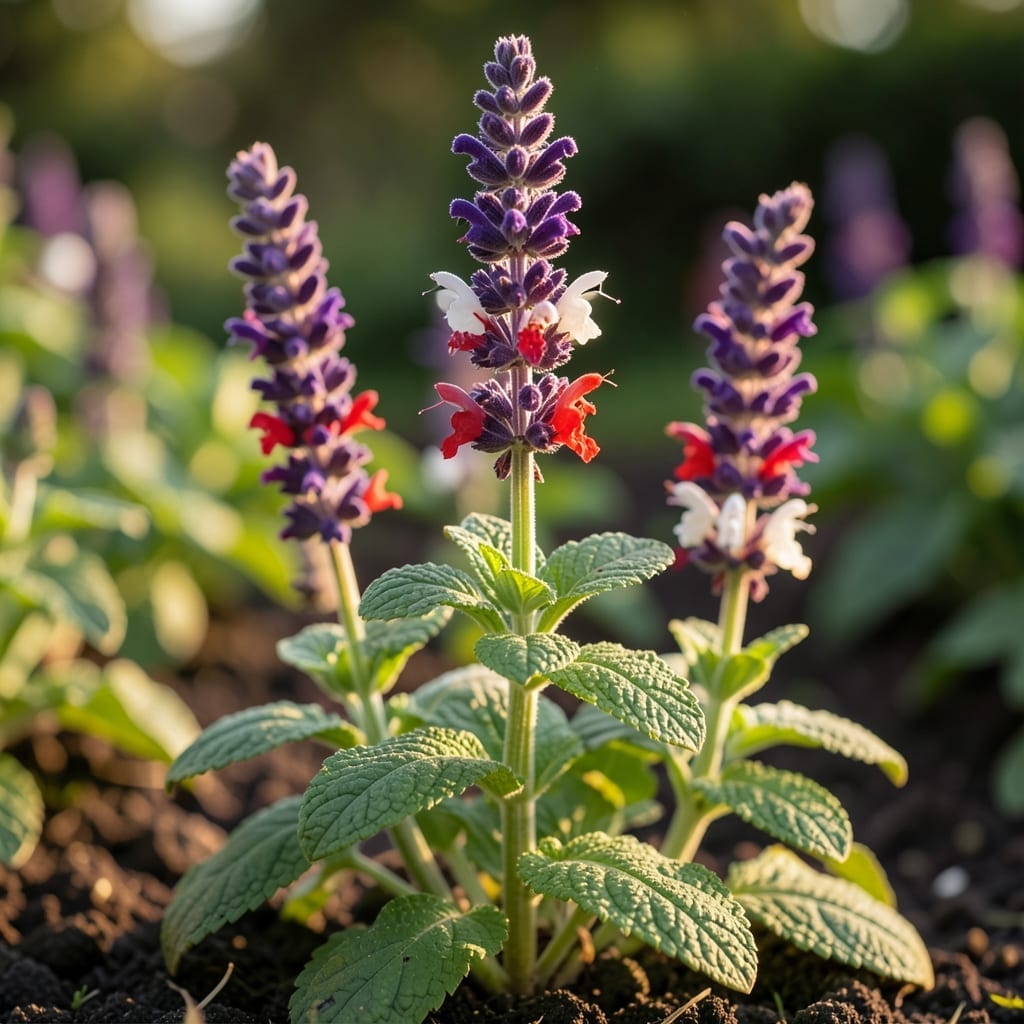
With its square stems and textured leaves, salvia could easily be mistaken for mint—until its dramatic flower spikes appear. These vibrant blooms in purple, red, or white rise above the foliage, creating a stunning vertical accent in any garden.
Salvia thrives in full sun and well-drained soil, returning year after year as a hardy perennial. Its nectar-rich flowers make it a magnet for bees, butterflies, and hummingbirds, turning your border into a pollinator paradise.
Perfect for gardeners who want low-maintenance color and wildlife appeal, salvia brings both structure and beauty to perennial beds. 🌿
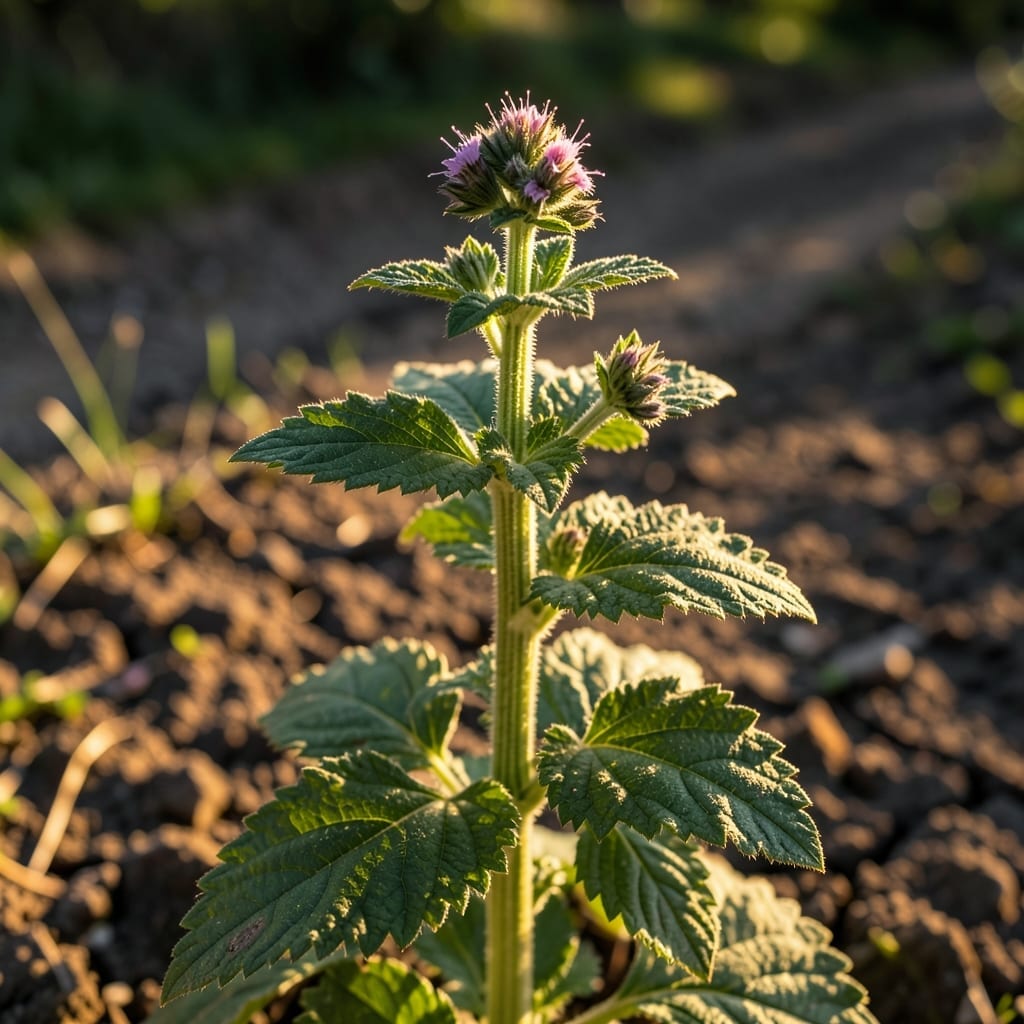
Don’t overlook the wild beauty of motherwort—its jagged, mint-like leaves and slightly bitter taste make it a standout in herbal medicine traditions. Often found thriving in disturbed soils and roadside areas, this hardy plant is a testament to nature’s resilience.
Motherwort prefers full sun to partial shade and adapts well to poor soil conditions, making it a low-maintenance choice. Its small pink flowers add subtle charm while supporting pollinators. Harvest leaves for teas or tinctures, but always confirm identification before use.
Herbalists and gardeners who love medicinal plants will appreciate its versatility and wild, untamed growth habit. 🌿
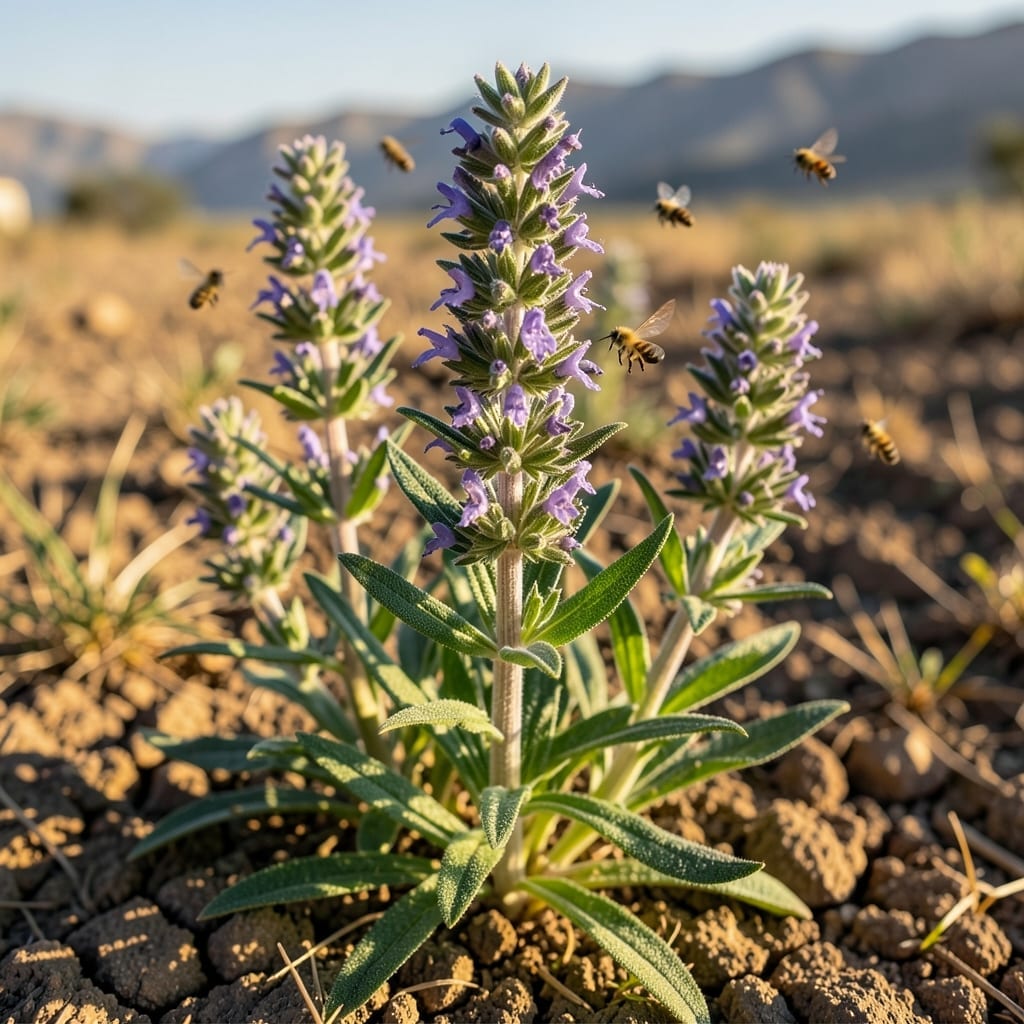
When you brush past hyssop, its narrow, mint-like leaves release a strong, sweet scent that’s as memorable as its appearance. This hardy perennial is more than just a pretty face—it’s a powerhouse for pollinators.
Hyssop thrives in dry, sunny locations where other plants might struggle, making it perfect for xeric gardens. Its dense blue flower spikes bloom all summer, drawing bees and butterflies in droves. The leaves are traditionally used in perfumes and liqueurs, adding a unique aromatic quality to your garden.
Low-maintenance and high-reward, hyssop is a must for gardeners who want fragrance, beauty, and wildlife support in one resilient plant. 🌿
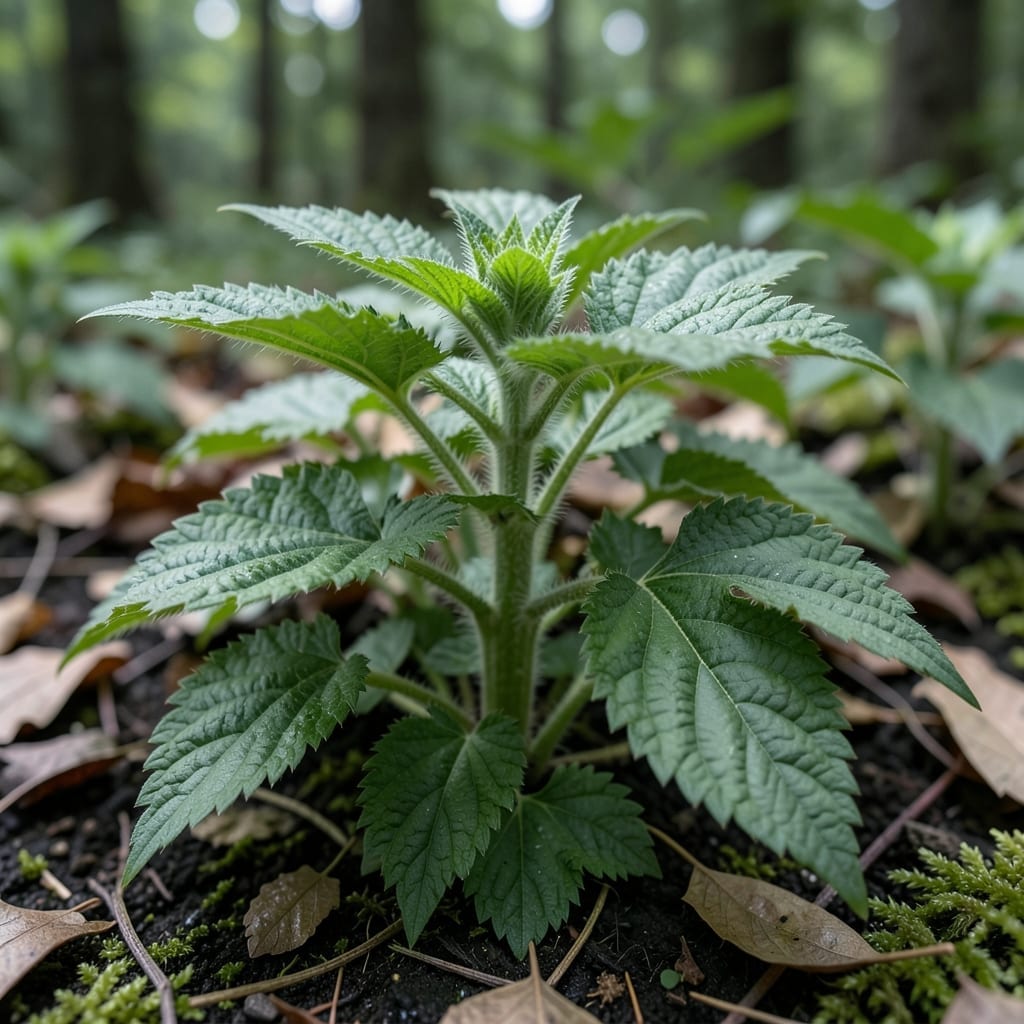
Beware the deceptive charm of stinging nettle—its toothed, mint-like leaves hide a painful surprise. Unlike its harmless look-alikes, this plant delivers a sharp sting through tiny hairs on its foliage, making gloves essential for handling.
Growing best in shaded, moist woodland areas, stinging nettle thrives in nutrient-rich soil and can reach heights of 4-7 feet. Despite its defensive nature, it’s a nutritional powerhouse often dried for teas or used in traditional medicine.
Foragers and herbalists value its benefits but always approach with caution and proper protection. 🌿