
Beautiful Plants For Your Interior
Beautiful Plants For Your Interior
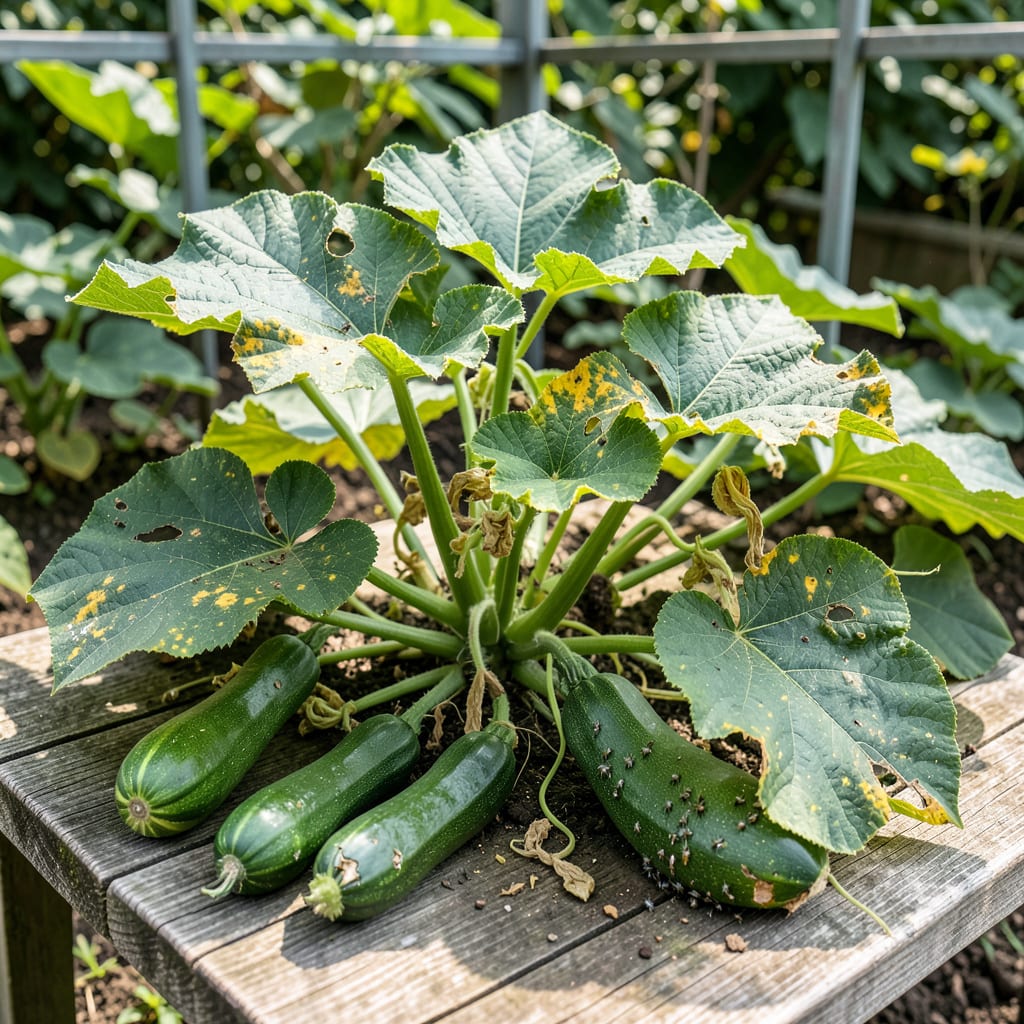
Zucchini plants attract pests and diseases like a magnet. I’ve lost entire crops to squash bugs and powdery mildew, but there’s a better way to protect your harvest.
Prevention starts with healthy soil and good airflow. Rotate crops yearly, water at the base, and remove debris to cut down on hiding spots for pests.
Early detection is key—check leaves daily for spots, holes, or wilting. A little vigilance saves weeks of frustration and keeps plants productive.
With the right strategies, you can enjoy a foolproof zucchini season without resorting to harsh chemicals. Here’s how to keep them thriving.
Understanding the root causes of zucchini plant pests and diseases helps you tackle them effectively. Here’s why these issues arise:
Zucchini plants thrive in warm, consistent conditions. Fluctuating temperatures, excessive moisture, or drought can weaken them, making them more susceptible to pests like aphids or diseases like powdery mildew. Poor air circulation in crowded gardens also traps humidity, fostering fungal growth.
Healthy zucchini plants produce vibrant foliage and fruit, which naturally attract pests. Sap-sucking insects (e.g., cucumber beetles, spider mites) are drawn to the plant’s nutrients, while soft-bodied pests like squash bugs lay eggs on leaves. Weak or over-fertilized plants emit stress signals that pests detect from afar.
Fungal and bacterial pathogens exploit vulnerable plants. Overwatering or splash irrigation spreads spores (e.g., Phytophthora blight), while contaminated soil or tools introduce viruses like cucumber mosaic virus. Poor sanitation, such as leaving infected debris in the garden, invites recurring outbreaks.
Deficiencies in nitrogen, potassium, or calcium stress plants, reducing their natural defenses. For example, calcium deficiency causes blossom-end rot, creating entry points for secondary infections. Conversely, excessive nitrogen promotes lush but weak growth, which pests target.
Dealing with pests and diseases on your zucchini plants can feel overwhelming, but practical solutions can restore health and productivity. Below are targeted fixes for the most common problems, paired with prevention tips to keep your garden thriving. 🌱
Mix 1 teaspoon of mild liquid soap with 1 liter of water and spray directly on the leaves, focusing on the undersides where pests hide. Repeat every 2-3 days until the infestation clears. For prevention, introduce beneficial insects like ladybugs or use reflective mulch to deter flying pests. 💡
Combine 1 tablespoon of baking soda, 1 teaspoon of dish soap, and 1 gallon of water. Spray the mixture on affected leaves weekly or after rain. To prevent mildew, space plants properly for airflow and water at the base to keep foliage dry. ✨
Inspect the base of plants and remove eggs and bugs by hand in the early morning when they’re sluggish. Place cardboard traps under plants to catch and dispose of adults. Prevent future outbreaks by clearing garden debris and rotating crops annually. 🎯
Add crushed eggshells or a calcium-rich fertilizer to the soil. Ensure consistent moisture by mulching and watering deeply 1-2 times per week. Avoid over-fertilizing with nitrogen, which can exacerbate the issue. 🌡️
Cover young plants with floating row covers until they begin to flower. For existing infestations, apply neem oil or kaolin clay as a deterrent. Rotate crops and remove weeds that attract beetles. 🔥
Look for yellow spots, wilted leaves, or holes in foliage. Powdery mildew appears as white dust, while pests like aphids cluster on stems. Early detection prevents major outbreaks.
Encourage beneficial insects like ladybugs and use reflective mulch. Rotate crops yearly and remove garden debris to eliminate pest hiding spots.
Overcrowding or watering foliage traps moisture. Space plants 2-3 feet apart and water at the base to keep leaves dry. Good airflow is key.
Remove heavily damaged leaves immediately. For severe cases, use organic fungicides or neem oil. If the plant is beyond help, pull it to protect others.
