
Beautiful Plants For Your Interior
Beautiful Plants For Your Interior
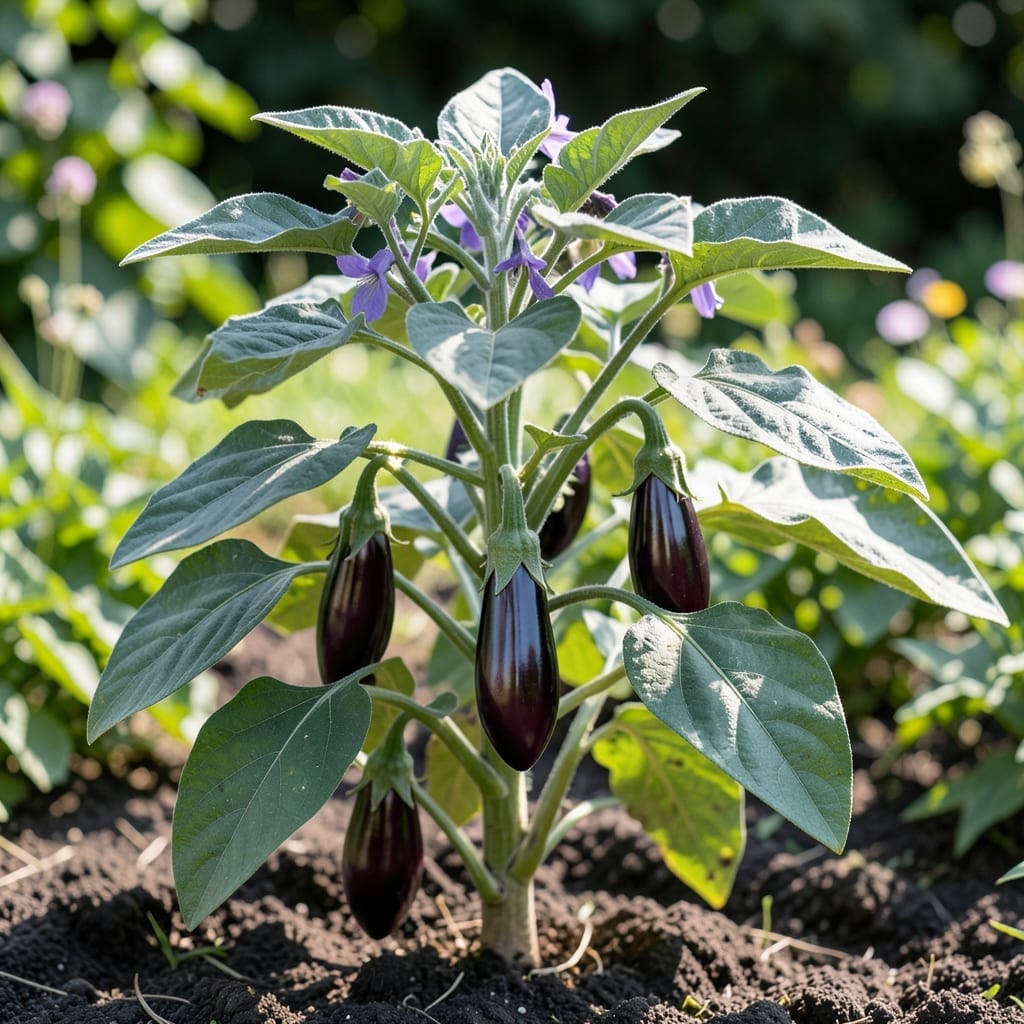
Yellowing edges on my eggplant leaves sent me down a rabbit hole last season. Turns out those early warnings can save your entire crop if you act fast.
I’ve learned to spot the difference between nutrient deficiency, pest damage, and fungal attacks. Each leaves a distinct fingerprint on the foliage, and the right response makes all the difference.
📚 In This Guide
Here’s how to diagnose issues and nurse your plants back to health with simple, effective solutions.
Start by checking the entire plant for unusual leaf color. Yellowing between veins often signals iron deficiency, while widespread yellowing with green veins points to magnesium deficiency. I always carry a small notebook to jot down which leaves show symptoms and where on the plant they appear.
Brown spots with yellow halos usually indicate fungal diseases like early blight. Look closely at the undersides too—tiny white or yellow dots might be spider mites. This first careful inspection prevents misdiagnosis and wasted treatment efforts.
Run your fingers gently over the leaf surfaces. Holes or chewed edges mean caterpillars or beetles are active. Sticky residue suggests aphids or whiteflies, which leave behind honeydew that attracts sooty mold. I’ve found that shaking the plant over a white sheet reveals tiny pests that are hard to spot otherwise.
Curling leaves often result from pest pressure or environmental stress. If leaves curl upward and feel brittle, the plant may need water. Downward curling with sticky residue usually confirms aphid infestation. Don’t overlook the stems—pest activity often starts there before moving to leaves.
Overwatering causes yellowing leaves that feel soft and mushy. Underwatering produces crisp, curling leaves that may drop prematurely. I check soil moisture by sticking my finger 2 inches deep—if it feels dry at that depth, it’s time to water. Eggplants prefer consistent moisture without soggy conditions.
Water at the base of the plant to keep leaves dry, which prevents fungal diseases. Morning watering allows foliage to dry before evening. If you’ve been watering overhead, switch to drip irrigation or a soaker hose immediately. This simple change often stops disease progression in its tracks.
Eggplants need full sun (6-8 hours daily) and 70-85°F temperatures to thrive. Leaves turning pale green or yellow often indicate insufficient light. If your plants are in containers, move them to a sunnier spot—south-facing locations work best in northern climates.
Temperature stress shows as purple veining or leaf drop. Below 50°F, growth slows dramatically. I use row covers or cloches to protect plants during unexpected cool snaps. Watch for wilting during extreme heat—this is the plant’s way of conserving water.
For nutrient deficiencies, apply a balanced fertilizer or specific amendments. Yellow leaves with green veins respond well to Epsom salt (1 tablespoon per gallon of water). I spray this directly on leaves for quick absorption. For fungal issues, remove affected leaves immediately and apply copper fungicide.
Pest problems often require multiple approaches. I start with a strong spray of water to dislodge aphids, then follow with insecticidal soap. For beetles, hand-picking in early morning when they’re sluggish works surprisingly well. Always treat in the evening to avoid harming beneficial insects.
These practical insights will help you catch problems early and treat them effectively.
Inspection Technique: In Step 1, use a magnifying glass to spot early signs of trouble. Many issues like spider mites or aphids are invisible to the naked eye until they’ve already spread. Focus on the undersides of leaves, where most problems start. This one tool has saved my eggplants more times than I can count.
Sanitation Matters: When removing damaged foliage in Step 2, remember that disinfecting pruners between cuts isn’t optional. I once skipped this and watched blight spread through my entire garden in a week. That 1 inch below visible damage rule exists because pathogens can travel further than you think.
Treatment Timing: For the baking soda solution in Step 3, stick to that every 5-7 days schedule. Applying too frequently can harm leaves, while waiting longer gives fungi time to establish. Evening applications work best for neem oil as it prevents leaf burn from sun exposure.
Prevention Strategy: The 6-8 hours of daily sun in Step 4 isn’t just a suggestion—it’s your first defense. I’ve found that plants getting less than 6 hours are twice as likely to develop fungal issues. That 18-24 inch spacing creates the air circulation that keeps leaves dry and healthy.
Yellow leaves often signal overwatering, nutrient deficiencies (like nitrogen), or pests. Check soil moisture and inspect for aphids or spider mites. Adjust care or use organic pest control.
While technically edible, eggplant leaves contain solanine, a toxic compound. Avoid consuming them raw or in large amounts. Stick to the fruit for safety.
White spots may indicate powdery mildew. Improve airflow, avoid overhead watering, and apply neem oil or a fungicide. Remove severely affected leaves to prevent spread.
Prune damaged or infected leaves immediately to stop disease progression. Use clean shears and remove debris from the area. Best done on dry, sunny days for faster recovery.