
Beautiful Plants For Your Interior
Beautiful Plants For Your Interior
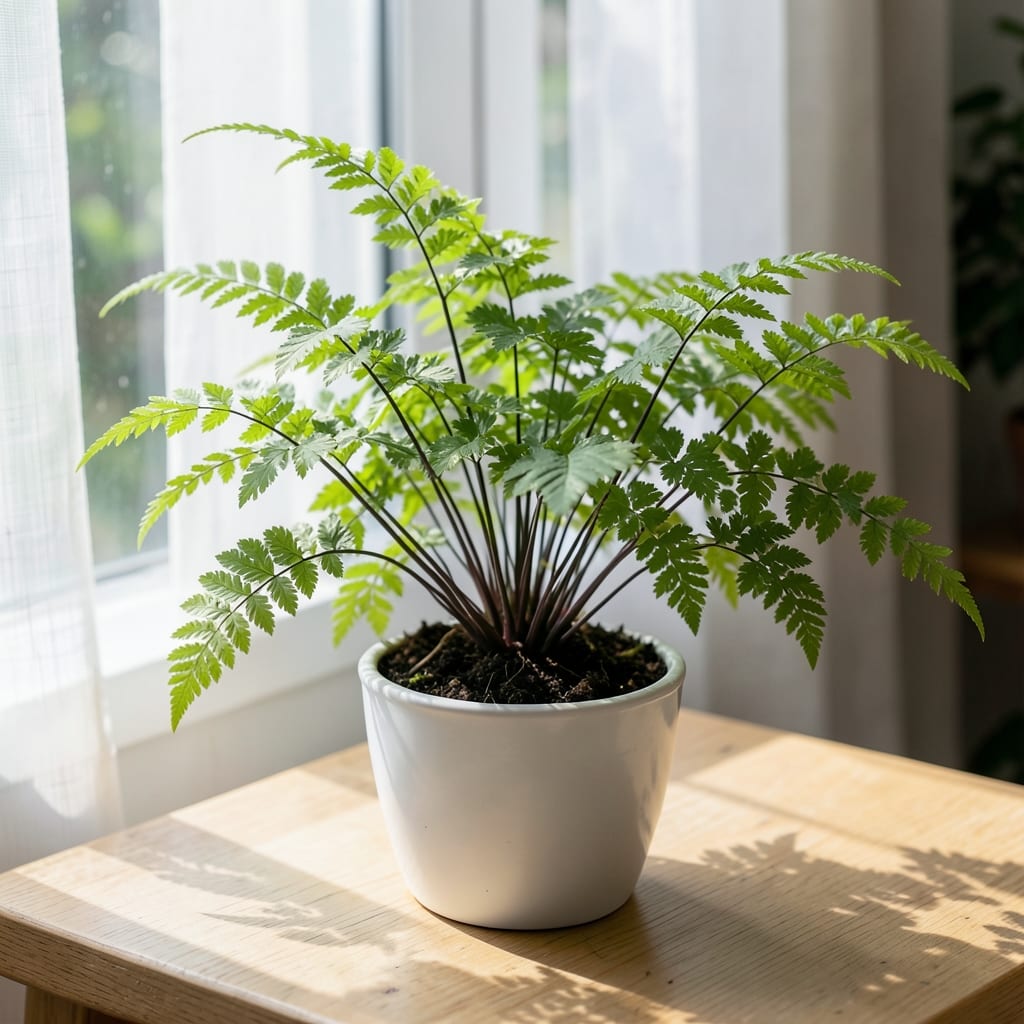
I killed three maiden ferns before I figured out their secret. These delicate-looking plants actually thrive with less fuss than you’d think, as long as you get the basics right.
Once you nail the balance of low light and consistent moisture, you’ll have lush, arching fronds that make any room feel like a forest retreat. The key is mimicking their natural shaded habitat.
📚 In This Guide
This method delivers those lush, arching fronds with minimal fuss, even in dim corners.
Select a spot with bright, indirect light—a north or east-facing window works perfectly. Maiden ferns tolerate low light but grow sparse and leggy without enough illumination. I place mine on a plant stand a few feet from a window to balance light exposure.
Pick a container with drainage holes that’s 1-2 inches wider than the root ball. Terra cotta pots dry out faster, which helps prevent root rot, but plastic retains moisture longer if your home runs dry. Ensure the pot has a saucer to catch excess water and protect surfaces.
Fill the container with a well-draining peat-based potting mix—I blend mine with 20% perlite for extra aeration. Maiden ferns despise compacted soil, so avoid heavy garden mixes. Moisten the soil lightly before planting to help the roots settle without waterlogging.
Gently remove the fern from its nursery pot and loosen the roots if they’re tightly bound. Place it in the new container at the same depth it was growing, then backfill with soil. Press lightly to eliminate air pockets, but don’t pack it down—roots need room to breathe.
Water when the top inch of soil feels dry to the touch. Maiden ferns like consistent moisture but will rot if left soggy. I water mine every 5-7 days in average indoor conditions, adjusting for seasonal changes—less in winter, more in summer.
Use room-temperature water and avoid wetting the fronds, which can encourage fungal issues. Water until it drains from the bottom, then empty the saucer after 15-20 minutes to prevent the roots from sitting in standing water. Yellowing fronds often signal overwatering.
Maiden ferns thrive in 50-60% humidity. If your home is dry, place the pot on a pebble tray filled with water or group it with other plants to create a microclimate. Misting helps temporarily but isn’t a long-term solution.
Feed lightly with a balanced, water-soluble fertilizer (diluted to half strength) every 4-6 weeks during spring and summer. Skip fertilizing in fall and winter when growth slows. Over-fertilizing causes brown, crispy tips on the fronds.
Trim off any brown or damaged fronds at the base using clean scissors. This keeps the plant looking tidy and redirects energy to healthy growth. I do this whenever I notice dead foliage, which can happen naturally as fronds age.
Repot every 1-2 years or when roots emerge from the drainage holes. Move up just one pot size—too large a container holds excess moisture, increasing the risk of root rot. Early spring is the best time for repotting, just before new growth begins.
These small adjustments make a huge difference in keeping your fern thriving.
Light Balance: In Step 1, if you notice your fern looking sparse or leggy, it’s likely not getting enough light. Move it closer to that north or east-facing window, but avoid direct sunlight which can scorch the fronds. I learned this the hard way after losing two ferns to sunburn.
Watering Wisdom: For Step 3, the 5-7 day watering schedule is a guideline—always check the top inch of soil first. If it feels dry, water thoroughly until it drains from the bottom, then empty that saucer after 15-20 minutes. Overwatering is the most common mistake, and yellow fronds are your first warning sign.
Humidity Hack: Step 4 mentions 50-60% humidity, which is tough in dry homes. Instead of misting constantly, try a pebble tray with water under the pot. It’s low-maintenance and creates the perfect microclimate without daily effort.
Repotting Reminder: In Step 5, don’t upsize the pot too much when repotting—just 1-2 inches wider than the root ball. A pot that’s too large holds excess moisture, which leads to root rot. Early spring is ideal, but if roots are circling the bottom, don’t wait.
Water your maiden fern when the top inch of soil feels dry, typically every 1-2 weeks. Keep the soil consistently moist but not soggy to prevent root rot.
Brown fronds often indicate low humidity or underwatering. Increase humidity with a pebble tray or humidifier, and ensure the soil stays evenly moist.
Yes! Maiden ferns tolerate low light but thrive in bright, indirect light. Avoid direct sunlight, which can scorch their delicate fronds.
Use a well-draining, peat-based potting mix with perlite or sand. This mimics their natural forest floor habitat and promotes healthy growth.
Trim dead fronds, water thoroughly, and move it to a humid spot with indirect light. Mist the leaves daily to help it recover.