
Beautiful Plants For Your Interior
Beautiful Plants For Your Interior
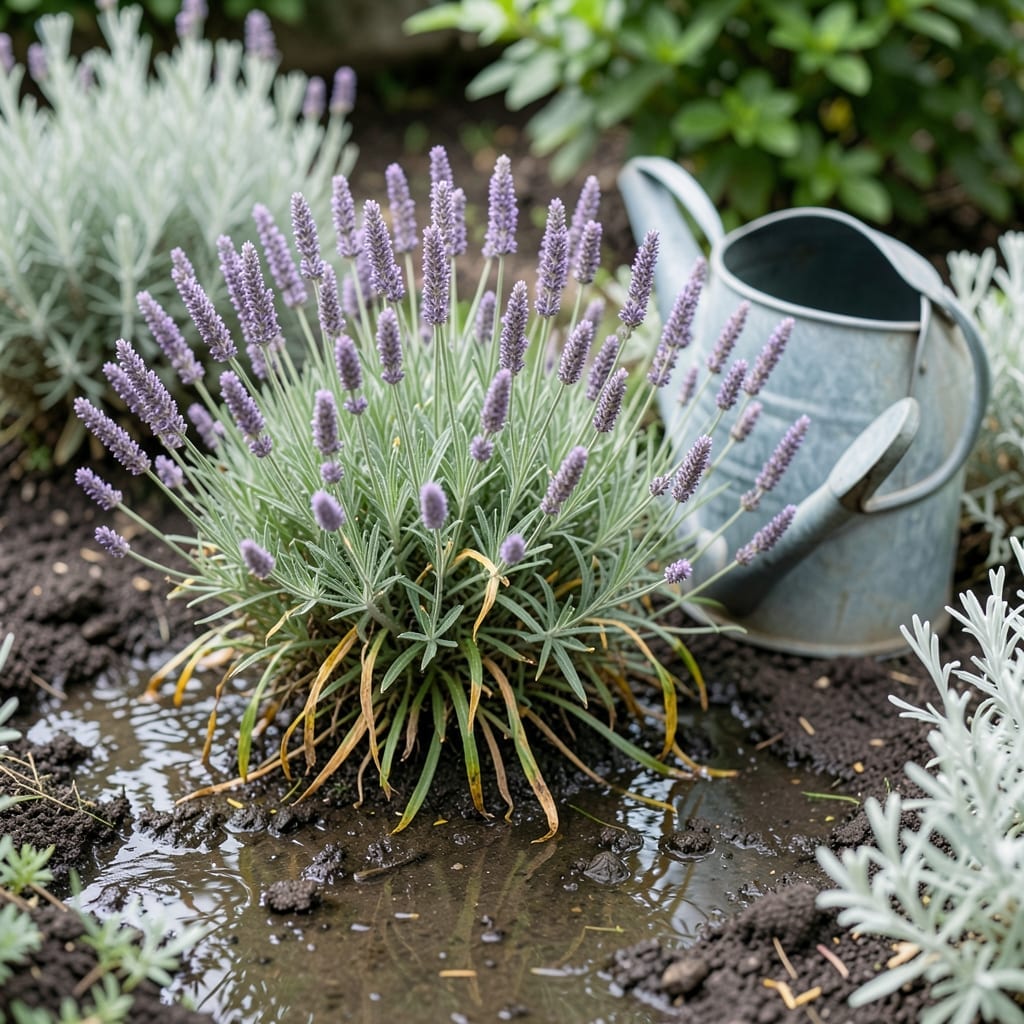
Yellow leaves and drooping stems scream overwatering before root rot finishes the job. I’ve saved dozens of lavender plants with a simple rescue routine that stops the damage fast.
Lavender thrives on neglect, not kindness. The first sign is usually wilting despite wet soil—a classic red flag. Catch it early and you can reverse the decline in 1-2 weeks with the right steps.
You’ll end up with vibrant green growth and that signature fragrance returning to your garden. The key is acting before the roots turn to mush.
Works for potted plants, garden beds, or any lavender that’s gotten too much love. Here’s exactly what to do.
Overwatering lavender often stems from well-meaning but misguided care. Here’s why it happens, broken down into actionable insights:
Lavender thrives in arid, well-drained soil, mimicking its native Mediterranean habitat. When planted in dense, clay-heavy soil or containers without drainage holes, water pools around the roots. This suffocates the plant by depriving roots of oxygen and promoting fungal growth like Phytophthora, a common root rot pathogen.
Many gardeners treat lavender like thirsty annuals, watering daily or on a rigid schedule. Lavender’s drought-tolerant roots store moisture efficiently, so frequent watering disrupts this balance. The rule of thumb: Water only when the top 1–2 inches of soil are bone-dry. Overwatering also leaches away nutrients, weakening the plant further.
Humid climates or shaded locations slow evaporation, leaving soil soggy longer. Lavender in such conditions needs less frequent watering than in hot, sunny spots. Similarly, mulching too heavily (or with organic matter that retains moisture) can trap excess water near the roots, creating a perfect storm for rot.
Potted lavender in non-porous containers (e.g., plastic or glazed ceramic) traps moisture. Even with drainage holes, these materials prevent soil from drying out quickly. Terracotta pots are ideal—they’re breathable and wick away excess moisture. Size matters too: oversized pots hold more soil, which stays wet longer.
If your lavender is suffering from too much water, act fast to save it. Here’s how to address the most common issues and restore your plant’s health.
If the leaves are yellow or the plant looks limp, stop watering immediately. Let the soil dry out completely before watering again. Check the roots—if they’re mushy, trim the affected parts with clean scissors. Repot the plant in fresh, well-draining soil and a container with drainage holes.
Prevention tip: 💡 Water only when the top 1-2 inches of soil are dry. Lavender thrives on neglect!
Black, slimy roots are a sign of root rot. Remove the plant from its pot, gently rinse the roots to wash away infected soil, and trim any rotted sections. Repot in a clean container with a mix of sand and perlite to improve drainage. Avoid watering for a few days to let the roots recover.
Prevention tip: 🎯 Always use pots with drainage holes and a gritty soil mix to prevent waterlogging.
If the soil stays soggy, it’s suffocating the roots. Move the plant to a sunnier spot to help evaporate excess moisture. If it’s in a pot, tilt it to drain standing water. For garden plants, improve drainage by amending the soil with gravel or coarse sand.
Prevention tip: ✨ Plant lavender in raised beds or slopes to ensure water runs off quickly.
White mold or fungus on the soil or stems means excess moisture. Remove affected parts and spray the plant with a natural fungicide like neem oil. Improve air circulation by spacing plants apart and avoiding overhead watering.
Prevention tip: 🌡️ Water at the base of the plant in the morning so foliage dries quickly.
Water only when the top 1-2 inches of soil are completely dry. In hot weather, this may mean watering every 2-3 weeks, while cooler months may require even less frequent watering.
Yellowing leaves, wilting stems, and a foul smell from the soil are early warnings. The plant may appear droopy even when the soil is wet, indicating root stress from excess moisture.
Yes, if caught early. Trim away black, mushy roots and repot in fresh, well-draining soil. Avoid watering for 3-5 days to let roots recover.
Use a gritty mix with 50% perlite or sand to ensure rapid drainage. Terracotta pots help wick away moisture, and raised beds prevent waterlogging in garden settings.