
Beautiful Plants For Your Interior
Beautiful Plants For Your Interior
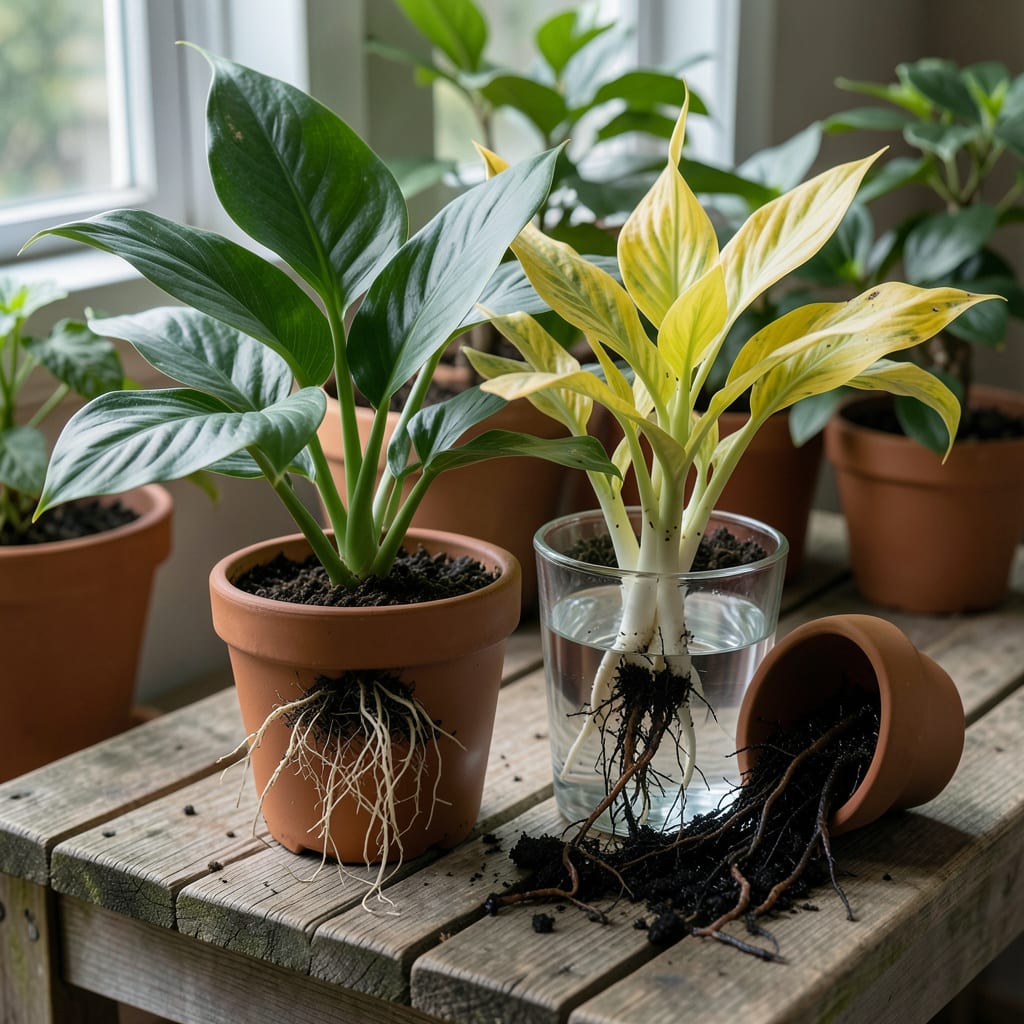
Your plant’s yellow leaves and wilting tops might not be thirst. I’ve lost count of how many plants I’ve saved by catching root rot early—before the damage becomes irreversible.
The first sign is usually soft, dark brown roots that fall apart at the touch. Healthy roots are firm and white or light tan. If the soil smells sour or the pot feels heavier than it should, that’s your second warning.
Most cases come from overwatering or poor drainage. The fix starts with removing the plant from its pot, trimming the rotten roots, and repotting in fresh, well-draining soil.
Early action can bring a plant back from the brink. The sooner you spot it, the better the chances.
Root rot is a silent killer, and understanding its causes is the first step to prevention. Here are the primary culprits behind this devastating plant condition:
Excess water in the soil suffocates plant roots by displacing oxygen. Roots need air to breathe, and when soil is constantly soggy, they can’t absorb nutrients or respire properly. This creates the perfect anaerobic environment for Pythium, Phytophthora, and other water-loving fungi to thrive. Actionable fix: Water only when the top 1-2 inches of soil are dry, and ensure pots have drainage holes.
Even with moderate watering, dense or compacted soil can trap moisture around roots. Clay-heavy mixes or pots without drainage holes prevent excess water from escaping, leading to waterlogged conditions. Actionable fix: Use well-draining soil (e.g., a mix with perlite or sand) and elevate pots to avoid standing water.
Cool, damp conditions slow down evaporation and root metabolism, making plants more susceptible to fungal and bacterial attacks. High humidity further reduces airflow, encouraging pathogen growth. Actionable fix: Keep plants in warm, well-ventilated areas and avoid cold drafts.
Root rot is often caused by soil-borne pathogens like Fusarium or Rhizoctonia. These microbes lie dormant in soil until triggered by stress factors (e.g., overwatering). Contaminated tools or reused potting mix can also introduce them. Actionable fix: Sterilize tools and use fresh, pathogen-free soil. Consider fungicidal treatments for at-risk plants.
Weak or damaged roots (from transplant shock, pests, or nutrient deficiencies) are less resilient to rot. Compromised roots can’t fend off infections as effectively. Actionable fix: Handle roots gently during repotting, and maintain balanced nutrition to keep roots strong.
Once you’ve confirmed root rot, act fast to save your plant. Here’s how to tackle each cause with practical fixes and prevention tips to keep your greens thriving. 🌱
Let the soil dry out between waterings. Stick your finger an inch into the soil—if it’s damp, wait. For severe cases, repot the plant in fresh, well-draining soil and a clean pot with drainage holes. Prevention tip: Use a moisture meter or set a reminder to check soil dryness. 💡
If your pot lacks drainage holes, switch to one that does. Add a layer of pebbles or perlite at the bottom to improve airflow. For garden plants, amend heavy soil with compost or sand. Prevention tip: Always use pots with drainage, even for decorative cache pots—just empty the saucer after watering. ✨
Trim away mushy, black, or foul-smelling roots with sterilized scissors. Soak the remaining roots in a 1:10 hydrogen peroxide-to-water solution for 10 minutes to kill pathogens. Repot in fresh soil and avoid overwatering. Prevention tip: Sterilize tools with rubbing alcohol between uses to avoid spreading infection. 🎯
Gently loosen the soil around the roots with a fork or chopstick to improve oxygen flow. For potted plants, consider repotting with a lighter, airy mix (e.g., coco coir + perlite). Prevention tip: Avoid pressing soil too tightly when potting—roots need room to breathe! 🌬️
After treatment, place the plant in bright, indirect light and hold off on fertilizing until it recovers. Patience is key—roots need time to regrow!
Healthy roots are firm and white or light tan. They should hold their shape when gently touched. If they appear dark, mushy, or fall apart, that’s a sure sign of trouble.
Yes, if you act quickly! Remove all affected roots and repot in fresh soil. The plant may drop some leaves initially but often rebounds in 2-4 weeks with proper care.
A sour smell indicates anaerobic conditions, perfect for rot-causing pathogens. This usually means the soil stays too wet. Improve drainage immediately and let it dry out.
Inspect roots every 2-3 months or when you notice wilting. Gently slide the plant from its pot to examine the root ball. Prevention is easier than treatment!
