
Beautiful Plants For Your Interior
Beautiful Plants For Your Interior
Fungus in soil can ruin a whole season. I learned this the hard way after losing 3 beds of tomatoes to blight in one summer.
Natural solutions work just as well as chemicals, without the harsh side effects. The key is catching it early and using the right approach for your setup.
📚 In This Guide
These methods restore soil balance without harsh chemicals, protecting your plants and the environment.
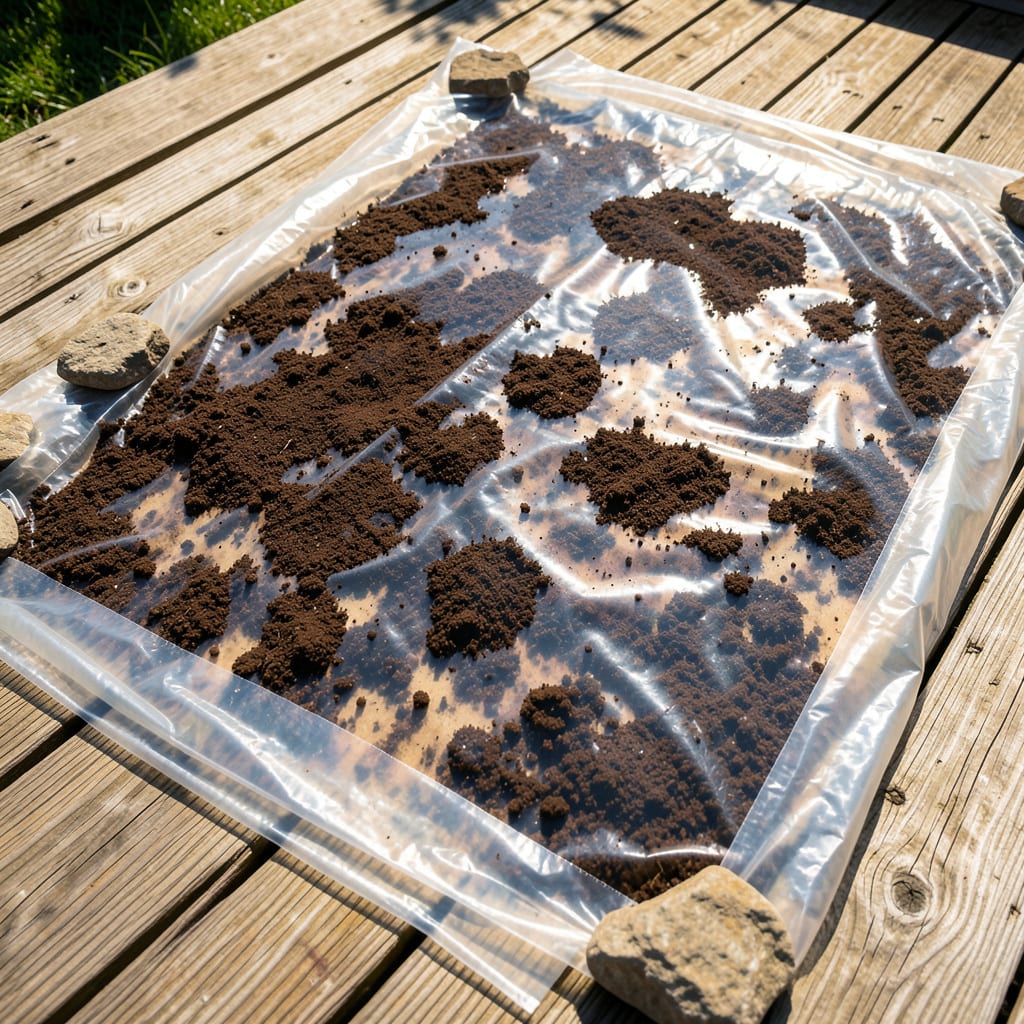
Begin by spreading the affected soil in a thin layer, no more than 2-3 inches deep, on a clear plastic tarp or directly on a sunny surface. Cover it with a transparent plastic sheet, ensuring it’s tightly sealed at the edges to trap heat and moisture. Solarization works best during hot summer months when temperatures can exceed 110°F under the plastic.
Leave the soil covered for 4-6 weeks to allow the heat to kill off fungal spores and other pathogens. You’ll know it’s working when the soil feels warm to the touch even through the plastic. This method is particularly effective for large garden beds or raised planters.
Real talk: If clouds roll in for days, extend the time by a week. The key is consistent, high heat.
For a quicker fix, treat the soil with a natural fungicide. Neem oil, diluted at 2 tablespoons per gallon of water, can be sprayed directly onto the soil surface. I’ve found that cinnamon, sprinkled lightly over the top ¼ inch of soil, also works as a mild antifungal while adding a pleasant scent.
Water the soil lightly after applying either treatment to help it penetrate. You should see a reduction in fungal growth within 7-10 days. Repeat the application every 2 weeks if the problem persists or if you’re preparing the soil for sensitive plants.
After disinfecting, replenish the soil with beneficial microbes to prevent future fungal issues. Mix in 1-2 cups of compost tea or a commercial mycorrhizal inoculant per square foot of soil. These microbes compete with harmful fungi, creating a balanced ecosystem that supports plant health.
I always follow this step with a light watering to help the microbes settle into the soil. Within 2-3 weeks, you’ll notice improved soil structure and vigor in new plantings. This step is non-negotiable—sterile soil is vulnerable soil.
Prevent recurrence by rotating crops annually, as many fungal pathogens are host-specific. Avoid planting the same family of plants, like tomatoes or squash, in the same spot more than once every 3 years. This breaks the fungal life cycle naturally.
Ensure your soil has proper drainage to discourage fungal growth. Amend heavy or compacted soil with organic matter like compost or well-rotted manure to improve aeration. Here’s the thing—fungus thrives in soggy conditions, so always check that water drains within 1-2 hours of watering.
These practical insights will help you execute each step with precision and avoid common pitfalls.
Heat Control: In Step 1, the 110°F under the plastic is non-negotiable for effective solarization. If you’re working in cooler weather, extend the 4-6 weeks rather than trying to force higher temperatures. The key is consistency—check daily that the soil remains warm to the touch through the tarp.
Application Technique: For Step 2, when applying neem oil at 2 tablespoons per gallon of water, use a fine mist sprayer for even coverage. With cinnamon, focus on that top ¼ inch of soil—it’s just enough to create a protective barrier without wasting your supply. Always water lightly afterward to activate both treatments.
Timing Secret: In Step 3, the 2-3 weeks waiting period for microbe establishment isn’t just suggestion—it’s when you’ll see the soil structure transform. I learned this the hard way after replanting too soon and watching fungi return. Patience here prevents future problems.
Drainage Check: Step 4’s 1-2 hours drainage test is your best early warning system. If water pools beyond this, amend with more organic matter before planting. Between us, this simple check has saved me from more fungal outbreaks than any treatment.
Disinfect soil once a year for prevention, or immediately if you notice fungal growth. Overdoing it can harm beneficial microbes, so stick to a schedule based on your plants’ needs.
Yes! A diluted vinegar solution (1 part vinegar to 4 parts water) can help, but use sparingly. It lowers pH, so test soil afterward and avoid overuse to protect plant health.
Solarization is quick and effective: cover moist soil with clear plastic for 4-6 weeks in hot sun. For faster results, use steam or a commercial fungicide labeled for soil treatment.
A light baking soda solution (1 tbsp per gallon of water) is safe for most plants and helps control fungus. Avoid heavy application, as it can alter soil pH and affect nutrient uptake.
Check for reduced mold, improved plant health, and no recurrence of fungal issues. If problems persist, retest the soil or try an alternative method like beneficial fungi (e.g., Trichoderma).
