
Beautiful Plants For Your Interior
Beautiful Plants For Your Interior
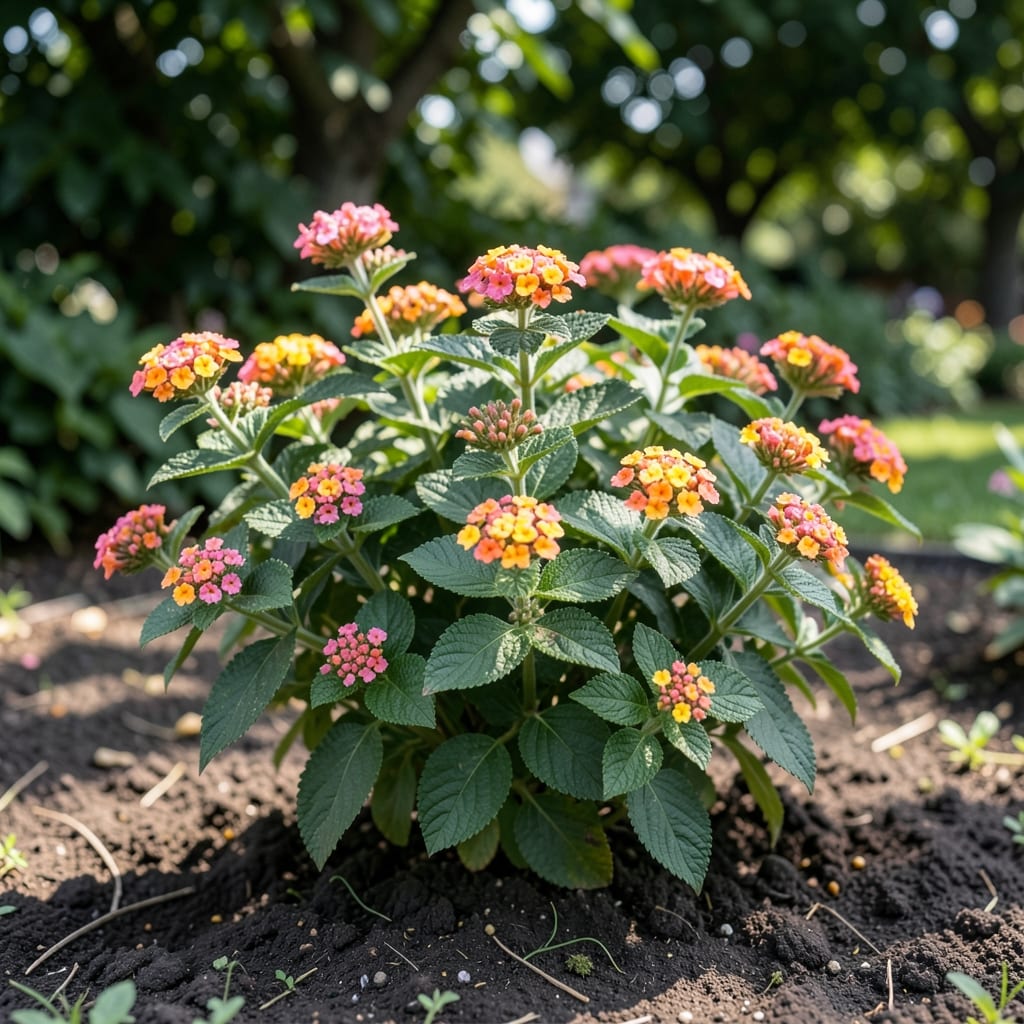
Brown leaves on lantana don’t mean your plant is done for. I’ve saved dozens from the brink with a few simple checks and fixes.
Usually, it’s not disease—it’s stress. Wrong watering, too much sun, or pests hiding under leaves. The good news: lantana bounces back fast once you fix the root issue.
You’ll spot the problem quick with a close look at the pattern. Crispy edges? Too dry. Yellow halos? Overwatered. Tiny dots? Check for pests.
Most cases clear up in 1-2 weeks with the right care. No fancy tools needed—just attention and a little know-how.
Lantana leaves turn brown due to a mix of environmental stress, pathogens, and cultural mismanagement. Here’s a breakdown of the most common causes:
Lantana thrives in warm climates but can suffer when temperatures soar above 90°F (32°C) or during prolonged droughts. High heat accelerates water evaporation from leaves, leading to leaf scorch—a condition where leaf edges and tips turn brown and crispy. The plant’s vascular system struggles to supply water fast enough to replace what’s lost, causing cellular damage.
While lantana is drought-tolerant, soggy roots from overwatering or compacted soil can suffocate the plant. Poor drainage leads to root rot, a fungal infection (often Phytophthora or Pythium) that blocks nutrient uptake. As roots die, the plant can’t absorb water or minerals, and leaves yellow before turning brown. Clay-heavy soils or containers without drainage holes are prime culprits.
Fungi like Alternaria or Colletotrichum cause leaf spot diseases, which start as small, dark lesions and expand into large brown patches. Bacteria such as Xanthomonas can also trigger blight, turning leaves brown and brittle. These pathogens thrive in humid conditions or when leaves stay wet for extended periods (e.g., from overhead watering or poor air circulation).
Lantana prefers slightly acidic to neutral soil (pH 6.0–7.0). Alkaline soils (pH > 7.5) can lock out essential nutrients like iron and manganese, leading to interveinal chlorosis (yellowing between veins) that progresses to browning. Similarly, excess salt from fertilizers or hard water can burn roots, mimicking drought stress.
Sap-sucking pests like spider mites, whiteflies, and aphids weaken lantana by draining its fluids. Their feeding damage often appears as stippling (tiny yellow or brown spots) that coalesce into larger brown areas. Some pests also transmit viruses, further compromising leaf health.
If your lantana’s leaves are turning brown, act fast with these targeted fixes. Each solution addresses a specific cause, so start with the issue that matches your plant’s symptoms.
Give your lantana a deep soak—water until the soil is moist 6 inches down. Check the top inch of soil daily; if it’s dry, water again. Prevention tip: Mulch around the base to retain moisture and reduce evaporation. 🌡️
Stop watering immediately and let the soil dry out. If the roots are soggy or rotten, trim the affected areas and repot in fresh, well-draining soil. Ensure your container has drainage holes. Prevention tip: Use a moisture meter to avoid guessing. ✨
Move potted lantanas to a spot with partial shade, especially during peak afternoon heat. For in-ground plants, provide temporary shade with a cloth or umbrella. Prevention tip: Gradually acclimate new plants to full sun over a week. 🎯
Feed your lantana with a balanced, slow-release fertilizer (10-10-10) or a formula high in phosphorus to boost flowering. Yellowing leaves often signal a lack of nitrogen—opt for a fertilizer with a higher first number. Prevention tip: Fertilize every 4-6 weeks during the growing season. 💡
For spider mites or aphids, spray leaves with neem oil or insecticidal soap every 3-5 days until pests are gone. For fungal issues like powdery mildew, improve air circulation and apply a fungicide. Prevention tip: Inspect leaves weekly for early signs of trouble. 🔥
Consistency is key—monitor your plant’s response and adjust care as needed. Healthy lantanas bounce back quickly with the right attention!
Water when the top 1-2 inches of soil feel dry. Typically, this means 1-2 times per week in hot weather, less in cooler months.
No, once leaves turn brown, they won’t recover. Focus on fixing the underlying issue to save the rest of the plant. New growth will replace damaged leaves.
Use well-draining soil with a pH of 6.0–7.0. Mix in compost or sand to improve drainage if your soil is heavy.
Inspect leaves weekly for pests like aphids or spider mites. Spray with neem oil as a preventive measure every 2-3 weeks.