
Beautiful Plants For Your Interior
Beautiful Plants For Your Interior
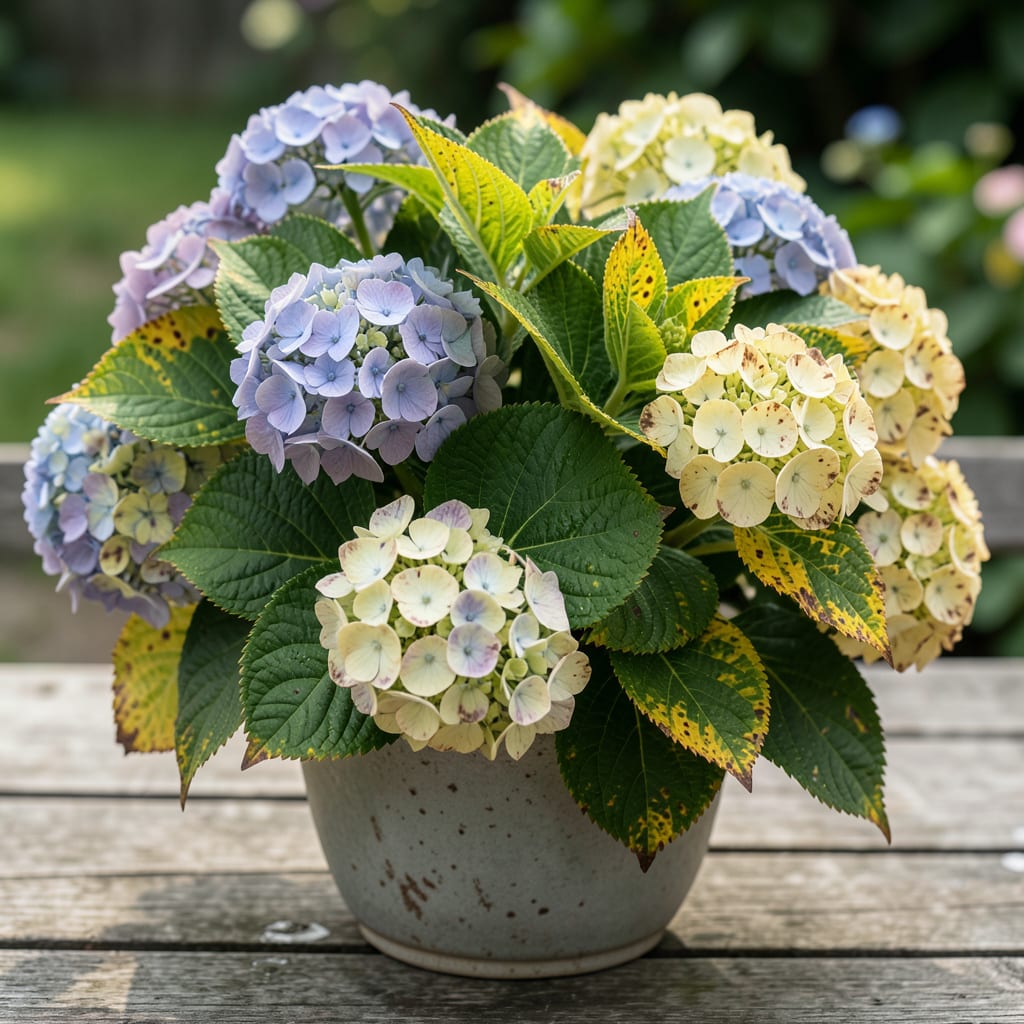
My hydrangea’s yellow leaves with brown spots had me worried at first. Turns out, it’s often a fungal red flag that’s easier to fix than you’d think.
I’ve seen this pattern after wet springs or when water lingers on leaves too long. The spots start small, then merge into unsightly patches that kill foliage fast.
Catching it early means the difference between a struggling plant and one that bounces back with vibrant blooms next season. The fix usually starts with simple cultural changes.
We’ll tackle the root causes and solutions that actually work, not just temporary band-aids.
Hydrangeas with yellow leaves and brown spots are often signaling stress from environmental, nutritional, or pathological factors. Here’s a breakdown of the most common causes:
Fungi like Cercospora or Anthracnose thrive in wet, humid conditions. They infect leaves through spores, causing brown or purple spots with yellow halos. Overhead watering or poor air circulation accelerates their spread.
Too much water suffocates roots, blocking nutrient uptake and leading to yellowing leaves (chlorosis) with brown edges. Conversely, drought stress causes leaf scorch—brown, crispy spots—as tissues die from lack of moisture.
Nitrogen deficiency often turns older leaves uniformly yellow, while potassium or magnesium shortages create brown spots between leaf veins. A soil test can pinpoint the exact imbalance.
Extreme heat or sudden temperature drops can shock hydrangeas, resulting in yellowing leaves with brown, necrotic patches. Full sun exposure in hot climates may also scorch foliage.
Sap-sucking pests like spider mites or aphids weaken plants, causing stippled yellow leaves. Their feeding sites may later develop brown spots as tissue collapses.
Identifying the exact cause is key to treatment—start by examining watering habits, leaf patterns, and growing conditions.
Tackling yellow leaves with brown spots on your hydrangeas starts with pinpointing the cause. Below are targeted solutions for the most common culprits, along with prevention tips to keep your plants thriving.
If fungal diseases like leaf spot or powdery mildew are to blame, act fast. Remove and destroy infected leaves to stop the spread. Apply a copper-based fungicide or neem oil spray every 7–10 days until symptoms disappear. Prevention tip: 💡 Improve airflow by spacing plants properly and watering at the base to keep foliage dry.
Soggy roots lead to stress and disease. Let the top 1–2 inches of soil dry out between waterings. If your hydrangea sits in heavy clay, amend the soil with compost or perlite to boost drainage. Prevention tip: ✨ Use raised beds or containers if drainage is a recurring issue.
Too much sun or extreme heat can scorch leaves. Move potted hydrangeas to partial shade (4–6 hours of morning sun) or provide shade cloth for in-ground plants. Mulch with organic matter to retain moisture and regulate soil temperature. Prevention tip: 🎯 Monitor weather and adjust care during heatwaves or droughts.
Yellowing often signals a lack of nitrogen or iron. Use a balanced, slow-release fertilizer (10-10-10) in spring. For iron deficiency (common in alkaline soil), apply chelated iron or acidify the soil with sulfur. Prevention tip: 🔥 Test soil pH annually—hydrangeas prefer slightly acidic (5.2–6.2).
Yes, soggy soil can cause yellow leaves with brown edges. Check soil moisture 2 inches deep—if it’s waterlogged, reduce watering frequency immediately.
Circular brown spots with yellow halos often signal fungal diseases like anthracnose. Remove affected leaves and apply a copper fungicide to prevent spread.
Yes, pruning removes the source of infection. Use clean shears and dispose of leaves in the trash, not compost. Always sterilize tools between cuts to avoid spreading disease.
Only if a soil test confirms a deficiency. Too much fertilizer can worsen stress. Use a balanced 10-10-10 formula in spring if needed.
