
Beautiful Plants For Your Interior
Beautiful Plants For Your Interior
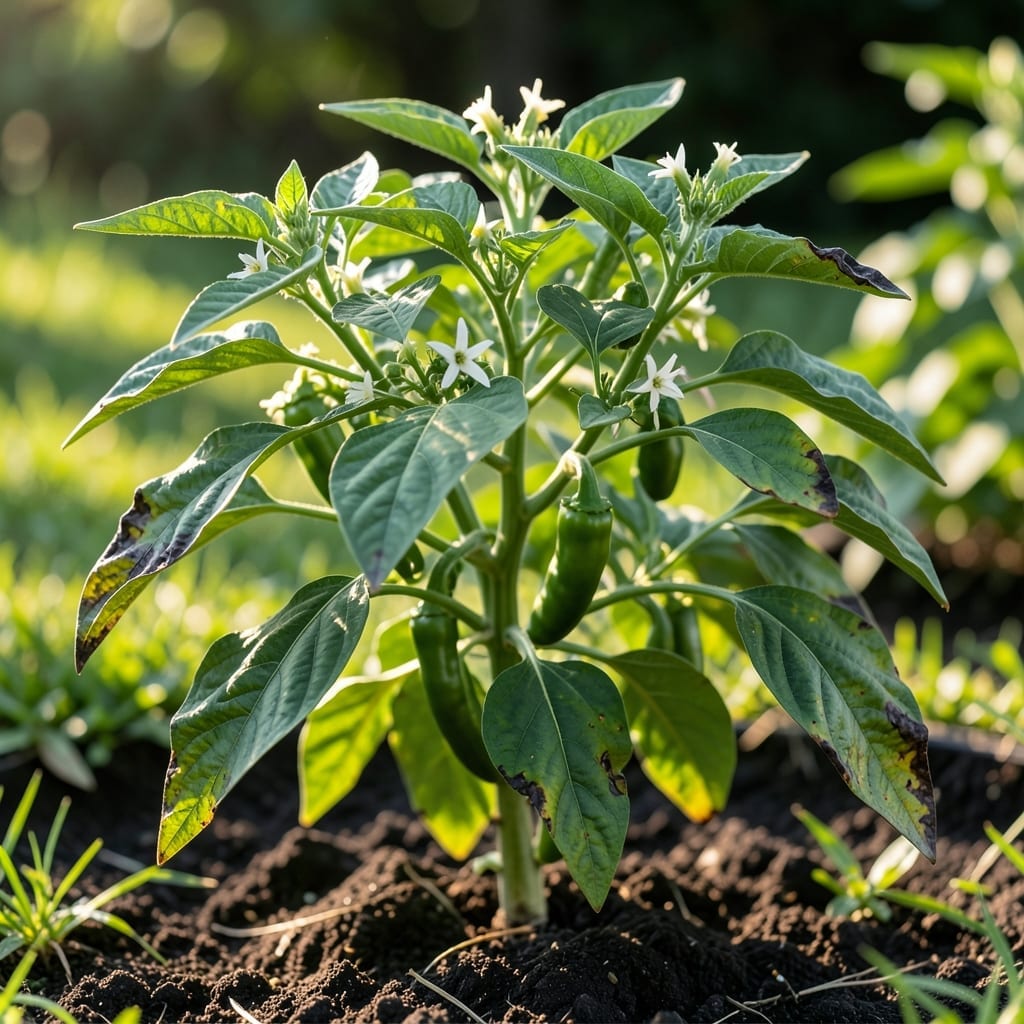
Black leaves on your jalapeños aren’t just ugly—they’re a distress signal. I’ve saved dozens of pepper plants from this exact issue, and the fix usually starts with identifying whether it’s overwatering, disease, or something else entirely.
Most gardeners jump to conclusions about fungal infections, but 9 times out of 10, it’s actually root rot from soggy soil. The leaves turn black, get mushy, and drop off. The good news? Catching it early means your plant can bounce back fast.
You’ll need to check the stems and roots first. If they’re dark and soft, you’re dealing with rot. If it’s just the leaves with dry, crispy edges, you might be looking at environmental stress instead.
Either way, we’ll get to the bottom of it and nurse your plant back to health.
Jalapeño plants turning black is often a distress signal, and several factors can trigger this issue. Understanding the root causes helps you address the problem effectively.
One of the most common culprits is fungal diseases like Phytophthora blight or Alternaria leaf spot. These pathogens thrive in warm, humid conditions and can spread rapidly through water splashes or contaminated tools. Fungal spores infect the leaves, stems, or fruit, causing dark, water-soaked spots that eventually turn black. Poor air circulation and overwatering create the perfect environment for fungi to take hold.
Excess moisture is a major stressor for jalapeño plants. When roots sit in soggy soil, they suffocate and rot, leading to a condition called root rot. This prevents the plant from absorbing nutrients, causing leaves and stems to blacken. Additionally, waterlogged soil encourages fungal growth, compounding the problem. Ensure your plant’s pot has drainage holes and the soil is well-aerated.
Extreme temperatures—either too hot or too cold—can cause tissue damage in jalapeño plants. Frost or prolonged exposure to temperatures below 50°F (10°C) can lead to blackening, especially on leaves and stems. Conversely, heat stress (above 90°F or 32°C) can scorch foliage, turning it dark and crispy. Sudden temperature swings or direct, intense sunlight without acclimation can also trigger this reaction.
Certain pests, like aphids, spider mites, or whiteflies, can weaken jalapeño plants by sucking out sap, leading to secondary infections. Their feeding damage often results in blackened or necrotic spots on leaves. Additionally, some pests introduce toxins or viruses that cause discoloration. Regularly inspect the undersides of leaves for signs of infestation.
An imbalance in soil nutrients can manifest as blackening. For example, calcium deficiency (blossom end rot) causes dark, sunken spots on peppers, while excess boron or salt in the soil can lead to leaf burn and blackening. Over-fertilization, especially with high-nitrogen formulas, may also stress the plant, resulting in darkened foliage. Test your soil to identify deficiencies or excesses.
If your jalapeño plant is turning black, act fast to restore its health. Below are targeted fixes for the most common causes, along with prevention tips to keep your plant thriving.
Remove infected leaves or stems immediately with sterile pruners to prevent spread. Apply a copper-based fungicide or neem oil (mixed with water and soap) every 5–7 days until the issue resolves. Ensure good air circulation by spacing plants at least 18 inches apart.
Prevention tip: 💡 Avoid overhead watering—use a soaker hose to keep foliage dry. Water in the morning so leaves dry quickly.
If blackening is due to cold snaps or heatwaves, move potted plants indoors or to a shaded area. For in-ground plants, use row covers to protect from extreme cold. In intense heat, provide afternoon shade and mulch to retain soil moisture.
Prevention tip: 🌱 Harden off seedlings gradually before transplanting to avoid shock. Monitor weather forecasts and act preemptively.
Let the soil dry out slightly between waterings—jalapeños prefer moist but not soggy conditions. If root rot is suspected, trim affected roots and repot in fresh, well-draining soil. Add perlite or sand to improve drainage in garden beds.
Prevention tip: 💦 Use containers with drainage holes and a quality potting mix. Stick your finger an inch into the soil—if it’s dry, it’s time to water.
Check for aphids, spider mites, or whiteflies, which can weaken plants and introduce sooty mold (appearing black). Blast pests off with water or apply insecticidal soap. For severe cases, use pyrethrin-based sprays.
Prevention tip: 🎯 Encourage beneficial insects like ladybugs by planting companion flowers (e.g., marigolds or alyssum).
Black or purple-black leaves may signal a phosphorus deficiency. Amend soil with bone meal or a balanced fertilizer (10-10-10). For magnesium deficiency (black spots between veins), apply Epsom salt (1 tablespoon per gallon of water) as a foliar spray.
Prevention tip: ✨ Test soil annually and adjust amendments as needed. Feed plants with compost tea every 2–3 weeks during growing season.
Black stems often indicate root rot from overwatering. Check roots—if they’re dark and mushy, trim affected areas and repot in fresh, well-draining soil.
No, blackened leaves won’t turn green again. Remove them to prevent disease spread and focus on improving plant health. New growth will replace damaged foliage.
Water at the base in the morning and space plants 18 inches apart for airflow. Apply neem oil weekly as a preventative. Avoid overhead watering.
It won’t kill your plant but can block sunlight. Wipe leaves with soapy water and treat underlying pest infestations causing the mold.