
Beautiful Plants For Your Interior
Beautiful Plants For Your Interior
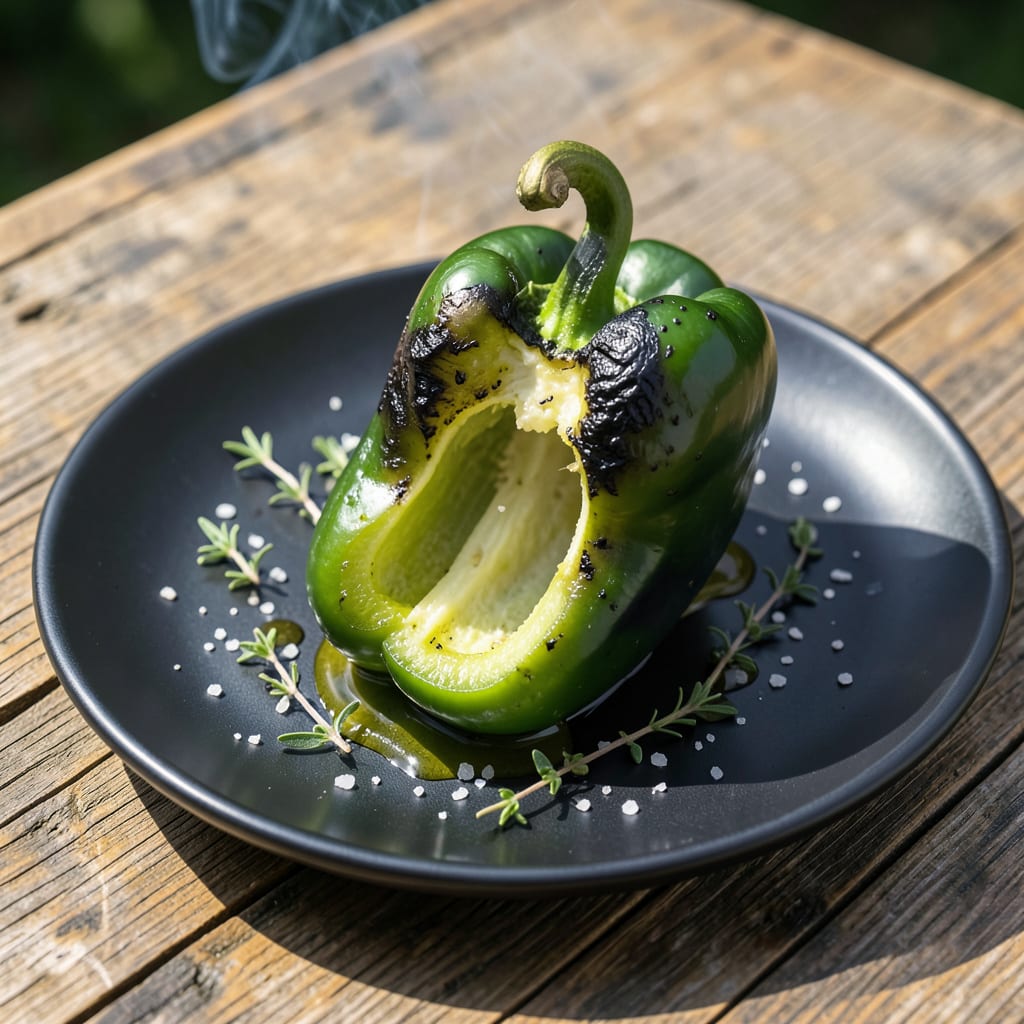
Nothing ruins a promising pepper harvest like watching the bottoms turn black. I first noticed this on my bell peppers three seasons ago—perfect green fruits with dark, sunken spots that spread overnight.
The culprit is usually calcium deficiency or inconsistent watering. Blossom end rot hits when the plant can’t deliver enough calcium to developing fruits, often during hot or dry spells.
Fix it with crushed eggshells in the soil, a calcium spray, and even watering. I adjusted my routine and saw improvement within 10 days.
Prevention beats treatment. Test your soil, mulch to retain moisture, and avoid over-fertilizing with nitrogen. Your peppers will thank you.
Black discoloration on green bell peppers often stems from environmental or physiological stress. Below are the primary causes, explained simply:
When peppers lack calcium, cells at the blossom end collapse and turn black. This happens even if soil calcium is adequate—uneven watering disrupts uptake. Hot, dry spells or overwatering can trigger it.
Inconsistent moisture levels (too much or too little) strain the plant, limiting nutrient flow. Drought stress is a top culprit, but soggy soil can also suffocate roots, leading to blackening.
Pathogens like Alternaria or bacterial spot cause dark, sunken lesions. These thrive in wet, humid conditions and often start as small spots before spreading.
Peppers are heat-lovers. Exposure to temperatures below 55°F (13°C) can cause cell damage, manifesting as black patches, especially on young fruit.
Addressing these factors early can save your harvest!
If your green bell peppers are turning black, the fix depends on the root cause. Below are targeted solutions, paired with prevention tips to keep your plants healthy and productive.
Fix: Treat affected plants with a calcium-rich foliar spray (like calcium nitrate or crushed eggshell tea) applied directly to the leaves. For immediate soil correction, work gypsum or lime into the top 6 inches of soil, following package instructions. Water thoroughly to help roots absorb the nutrients.
Prevent: Test your soil before planting and amend with compost or bone meal. Maintain consistent moisture levels—fluctuations can disrupt calcium uptake.
Fix: Deeply water plants 1–2 inches per week, ensuring the soil stays evenly moist (not soggy). Use drip irrigation or a soaker hose to deliver water directly to the roots and avoid wetting the leaves, which can invite disease.
Prevent: Mulch around the base of plants with straw or shredded leaves to retain moisture and reduce evaporation. Water in the early morning to minimize stress.
Fix: Remove and destroy infected peppers to prevent spread. Apply a copper-based fungicide or a baking soda spray (1 tsp baking soda + 1 quart water + a drop of dish soap) to the leaves and stems every 7–10 days until symptoms subside.
Prevent: Space plants 18–24 inches apart for better airflow. Avoid overhead watering, and rotate crops annually to reduce disease buildup in the soil.
💡 Pro Tip: For a quick calcium boost, bury crushed eggshells in the planting hole or mix them into the soil at transplanting. It’s a natural, slow-release solution!
If the blackening is only on the blossom end and the rest is firm, you can cut off the affected part and eat the rest. Discard if the flesh is soft or moldy—this can signal fungal or bacterial infection.
You may see improvement within 7-10 days of consistent application. New growth will show the best results. For severe cases, combine with soil amendments like gypsum for faster recovery.
Yes! Mulch retains moisture and stabilizes soil temperature, reducing water stress. Use 2-3 inches of organic mulch like straw or compost, but keep it away from the stem to prevent rot.
If caused by fungal or bacterial infection, it can spread to nearby peppers or susceptible plants. Remove affected fruits immediately and avoid overhead watering to limit contamination.
