
Beautiful Plants For Your Interior
Beautiful Plants For Your Interior
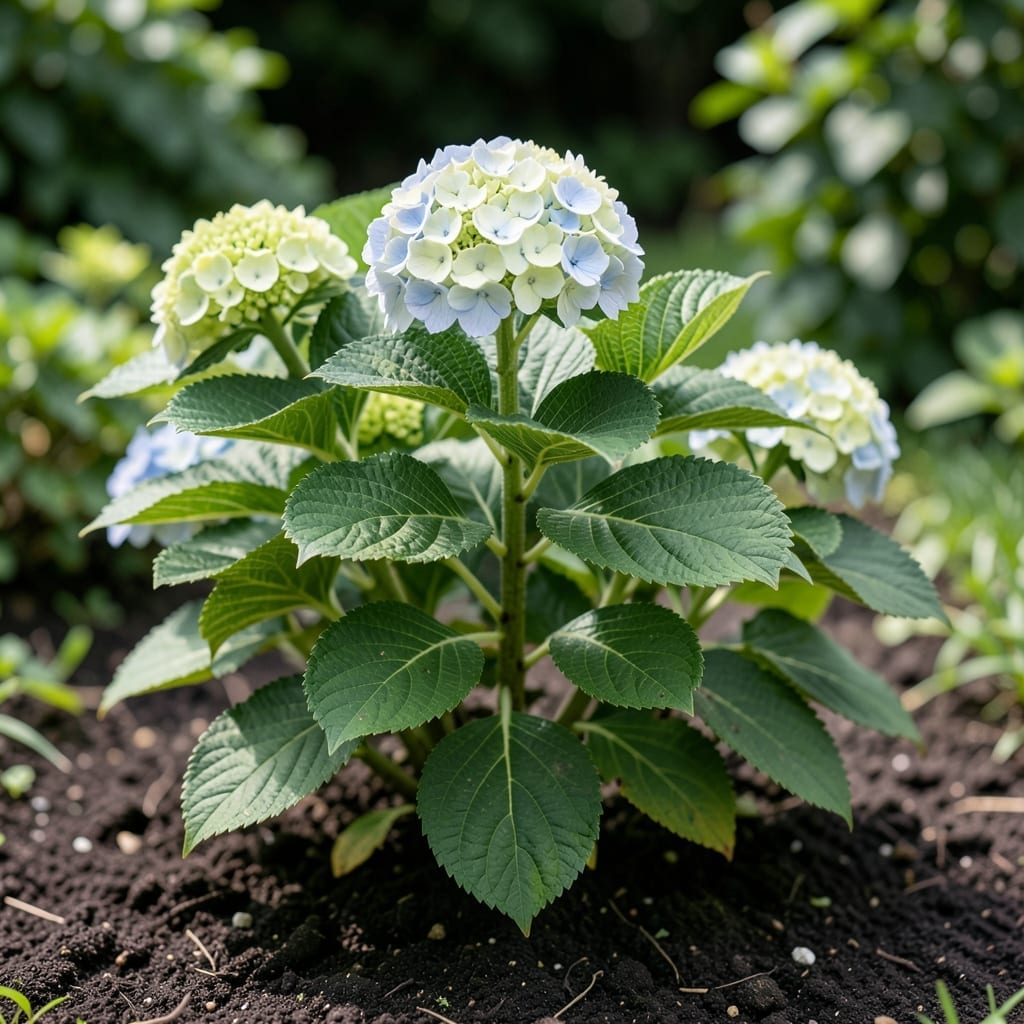
Those lush French hydrangea leaves can be misleading—they’re actually toxic to pets and kids if ingested. I learned this the hard way when my neighbor’s dog got sick after nibbling them.
Symptoms include vomiting, diarrhea, and skin irritation. The key is safe handling—wear gloves when pruning and keep clippings away from curious paws or little hands. Always wash up after touching them.
📚 In This Guide
Understanding the risks and proper precautions keeps you safe around these beautiful but toxic plants.
French hydrangea leaves contain hydrangin, a glycoside that can cause nausea, vomiting, and diarrhea if ingested. I’ve seen mild skin irritation develop in sensitive individuals after contact with the foliage. Watch for redness, itching, or a rash within 24-48 hours of exposure.
In severe cases, ingestion can lead to dizziness, confusion, or even shortness of breath. These symptoms typically appear within 1-2 hours of consumption. If you suspect poisoning, contact Poison Control immediately—don’t wait for symptoms to worsen.
Always wear long-sleeved shirts, gloves, and long pants when pruning or working near hydrangeas. I prefer nitrile-coated gloves because they provide a barrier against both the leaves and any sap that might be released during cutting. Avoid touching your face or mouth until you’ve washed your hands thoroughly.
If you’re sensitive to plant allergens, consider adding safety goggles and a face mask to prevent accidental exposure to the eyes or inhalation of fine particles. Even a small amount of sap in the eyes can cause burning and irritation.
After handling hydrangea leaves or stems, wash your hands with soap and warm water for at least 20 seconds. I keep a dedicated pair of gardening gloves that I wash separately from other laundry to avoid cross-contamination. Pay special attention to under your fingernails and between fingers where residue can linger.
If you accidentally touch your face or other skin while gardening, wash the exposed area immediately. This simple step can prevent dermatitis or allergic reactions before they start.
Place hydrangeas in areas where children and pets cannot access them. I recommend elevated planters or fenced garden sections for households with curious kids or animals. Even dried leaves retain toxicity, so avoid using them in crafts or decorations that might be handled frequently.
Educate family members about the risks—many people assume hydrangeas are harmless because they’re so common. Post a small, discreet sign near the plants as a reminder if needed. Prevention is far easier than treating accidental ingestion.
Never compost hydrangea clippings, as the toxins can persist and contaminate the soil. Instead, place trimmings in a sealed bag and dispose of them with your regular trash. I double-bag particularly large quantities to ensure no accidental exposure during handling.
If you’re burning garden waste, avoid including hydrangea material—the smoke can carry irritants. Instead, let cuttings dry out completely in a secure location before disposal. This minimizes any risk of accidental contact with fresh sap.
Even with the best intentions, small oversights can lead to unnecessary exposure risks.
Symptom Timing Awareness: Those first 1-2 hours after potential ingestion are critical. Mild skin reactions may take 24-48 hours to appear, but severe symptoms manifest quickly—don’t wait to seek help if you suspect contact or consumption.
Gear Integrity Check: Nitrile-coated gloves degrade over time. Replace yours every 3-6 months or if you notice any tears or thinning. A compromised glove defeats the entire purpose of Step 2’s protective measures.
Residue Removal Technique: The 20-second handwashing in Step 3 isn’t arbitrary. Use friction and warm water to break down plant oils that cold water alone won’t remove. A nail brush helps clean under fingernails where toxins accumulate.
Disposal Discipline: Double-bagging in Step 5 isn’t excessive caution. I once had a trash bag tear during disposal—fresh hydrangea sap on skin or clothing creates new exposure risks. Treat all trimmings as biohazardous until properly contained.
Brown leaves may indicate underwatering, overwatering, or excessive sun exposure. Check soil moisture and adjust care accordingly. Pests or fungal diseases could also be the cause, so inspect leaves for spots or insects.
Yes, French hydrangea leaves contain glycosides, which are toxic to dogs, cats, and other pets if ingested. Symptoms include vomiting, diarrhea, and lethargy. Keep pets away and seek vet help if poisoning is suspected.
Prune in late winter or early spring before new growth appears. Avoid pruning after summer, as flower buds form in late summer for the next year’s blooms. This ensures vibrant flowers the following season.
Improve air circulation by spacing plants properly and water at the base to keep leaves dry. Apply a fungicide or use a baking soda solution (1 tsp baking soda + 1 quart water + a few drops of dish soap) as a natural remedy.
Avoid composting French hydrangea leaves, as they contain toxins that may not break down fully. Instead, dispose of them in the trash to prevent accidental ingestion by pets or wildlife.