
Beautiful Plants For Your Interior
Beautiful Plants For Your Interior
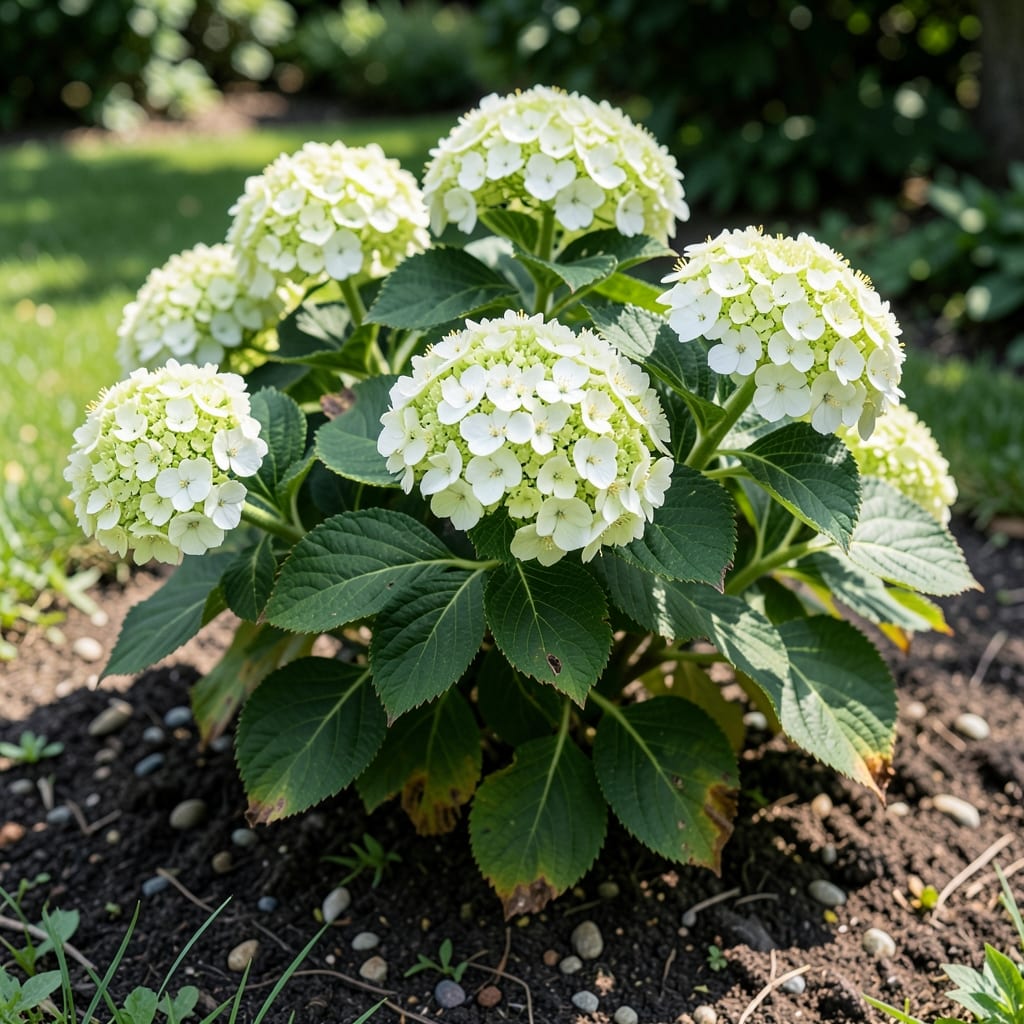
Brown hydrangea leaves don’t mean your plant is done for. I’ve saved countless hydrangeas from crispy edges and dull foliage with just a few tweaks to their care routine.
The usual suspects are watering habits, too much sun, or soil that’s holding nutrients hostage. Once I adjusted these, my plants bounced back with vibrant green leaves and fuller blooms.
You’ll start seeing improvement within 2-3 weeks of making the right changes. The key is diagnosing the issue before it spreads to the rest of the plant.
This works for container hydrangeas, garden beds, and even those struggling in partial shade. Let’s get those leaves back to their natural beauty.
Several factors can turn your hydrangea’s lush green leaves crispy and brown. Here’s the science behind the most frequent culprits:
Underwatering: Hydrangeas need consistent moisture. When soil dries out, leaves lose turgor pressure, wilt, and crisp at the edges. Cells collapse from dehydration, causing necrosis (brown, dead tissue).
Overwatering: Soggy soil suffocates roots, blocking oxygen uptake. Roots rot, and the plant can’t absorb water or nutrients, leading to leaf scorch. Check soil 1–2 inches deep—if it’s muddy or smells foul, drainage is the issue.
Hydrangeas prefer partial shade. Intense sunlight (especially afternoon rays) overheats leaf tissues, damaging chloroplasts. This photoinhibition disrupts photosynthesis, causing bleached or brown patches. Leaves may feel dry or papery.
Deficiency: Lack of potassium or magnesium weakens cell walls, making leaves prone to browning. Yellowing (chlorosis) often precedes necrosis.
Excess Fertilizer: Salt buildup from over-fertilizing draws water out of roots (reverse osmosis), burning leaf margins. Flush soil with water to leach excess salts.
Frost or heatwaves stress hydrangeas. Cold snaps rupture cell membranes, while high temps accelerate water loss. Sudden temperature swings (e.g., late spring frosts) often target new growth first.
Pathogens like Botrytis or Alternaria thrive in humid, poorly ventilated conditions. They infect leaves via spores, causing brown spots with yellow halos. Remove affected foliage immediately to prevent spread.
Here’s how to nurse your hydrangea back to health, cause by cause.
Give the plant a thorough drink at the base until the top 2 inches of soil are moist. Water early in the morning to reduce evaporation. Prevention tip: Finger-test the soil every 2–3 days in hot weather.
Stop watering immediately, then let the soil dry out. If the pot lacks drainage holes, repot into one that does. Prevention tip: Use a well-draining mix with perlite or pine bark fines.
Relocate container plants to a spot with morning sun and afternoon shade. For in-ground plants, erect a temporary shade cloth. Prevention tip: Hydrangeas thrive in partial shade—aim for 4–6 hours of gentle sun daily.
Run water through the root zone for 5–10 minutes to leach excess salts from fertilizers or tap water. Prevention tip: Switch to a low-salt, organic fertilizer and use rainwater when possible.
Apply a balanced, water-soluble fertilizer (10-10-10) at half strength every 2 weeks until new growth appears. Prevention tip: Test soil pH—hydrangeas prefer 6.0–6.5 for most varieties (blue types need 5.2–5.5).
Spray leaves with insecticidal soap or neem oil at dusk to avoid harming bees. Remove heavily infested leaves by hand. Prevention tip: Encourage ladybugs and lacewings with companion plants like marigolds.
Look for bleached or brown patches on leaves exposed to afternoon light. Leaves may feel dry or papery to the touch. Move the plant to a spot with morning sun and afternoon shade for best results.
Yes, soggy soil suffocates roots, preventing water and nutrient uptake. This leads to leaf scorch even when the soil is wet. Check for foul odors or muddy soil to confirm overwatering.
Unfortunately, damaged leaves won’t recover, but new growth will be healthy. Remove brown leaves and focus on improving care. You should see fresh green leaves within 2-3 weeks.
Maintain consistent moisture, ensure good drainage, and provide partial shade. Test soil pH and fertilize lightly. These steps keep your hydrangea thriving and vibrant.