
Beautiful Plants For Your Interior
Beautiful Plants For Your Interior
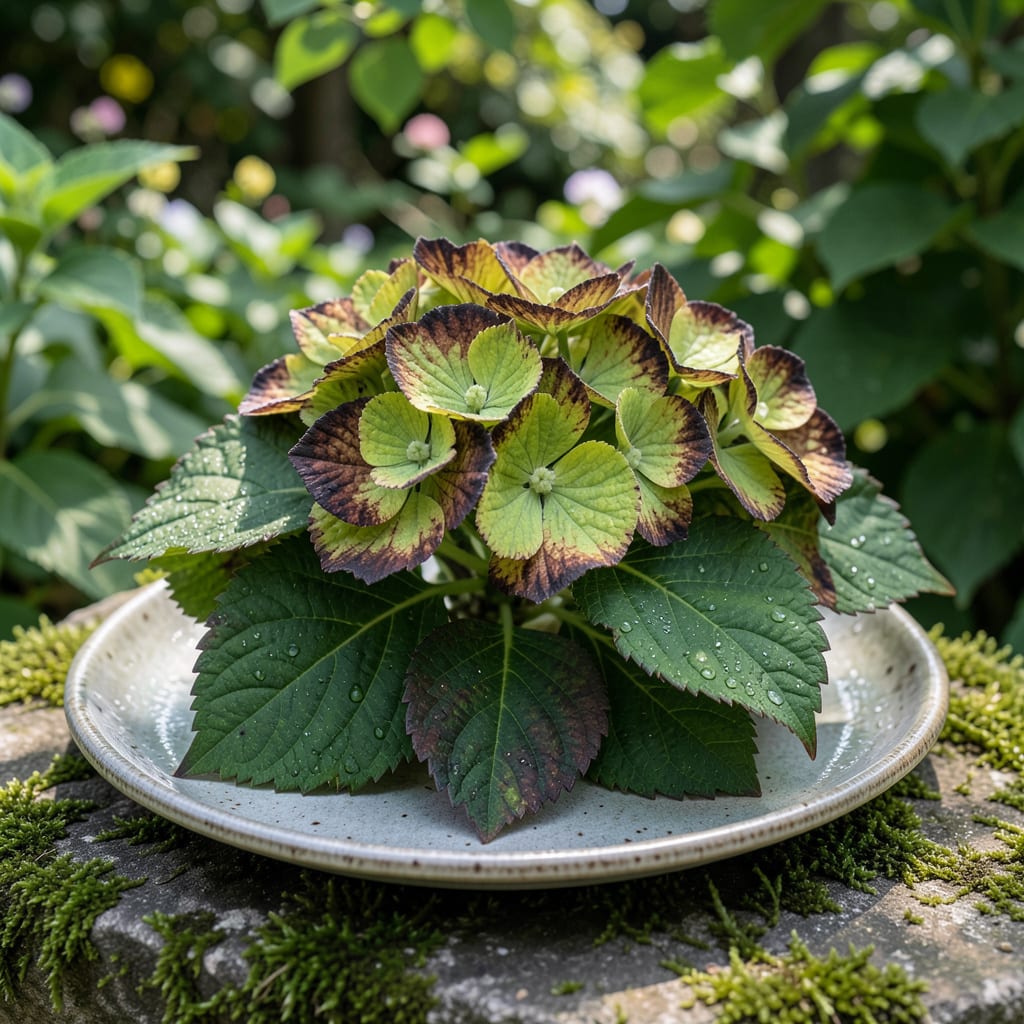
Brown, crispy hydrangea leaves ruined my garden’s look last summer. I’ve since learned these symptoms often point to sun scorch or nutrient issues—not disease.
Too much afternoon sun burns leaves, while over-fertilizing creates salt buildup that mimics drought damage. Both turn edges brown and brittle, but the fix is simple once you spot the real culprit.
Adjusting water, shade, or feeding habits usually revives plants within 2-3 weeks. The key is matching your solution to the specific stressor.
Early intervention saves blooms and prevents long-term harm. Here’s how to diagnose and treat each cause effectively.
Hydrangea leaves that appear burnt or scorched usually signal environmental stress or cultural issues. Below are the most common causes, explained with actionable insights.
Excessive direct sunlight, especially during peak afternoon hours, can cause leaf margins to brown and crisp. Hydrangeas (particularly Hydrangea macrophylla) thrive in partial shade. The intense UV radiation disrupts chlorophyll and damages cell membranes, leading to a “burnt” appearance. Fix: Relocate the plant to dappled shade or use shade cloth.
Both underwatering and overwatering trigger leaf scorch. Drought stress forces leaves to curl and crisp at the edges due to osmotic imbalance. Meanwhile, soggy roots suffocate, reducing nutrient uptake and causing necrotic (dead) tissue. Fix: Maintain consistent moisture—water deeply when the top inch of soil is dry.
Sudden heatwaves or frost can shock hydrangeas. High temperatures accelerate transpiration, leading to dehydration, while frost damages tender new growth. Fix: Mulch heavily to regulate soil temperature and protect roots.
Over-fertilization (especially with high-salt products) or de-icing salts in winter can cause marginal leaf burn. Excess salts disrupt osmotic balance, pulling water out of roots. Fix: Flush soil with water to leach salts, and avoid synthetic fertilizers near the base.
If your hydrangea leaves are looking crispy or scorched, don’t panic—there are practical fixes for every common cause. Here’s how to nurse your plant back to health, along with tips to prevent future issues.
If excessive sunlight is the culprit, relocate your hydrangea to a spot with morning sun and afternoon shade. For potted plants, shift them indoors or under a patio cover temporarily. Use shade cloth (30-50%) for garden plants if moving isn’t an option. Water deeply at the base to help recovery.
Prevention: Plant hydrangeas in east-facing spots or under dappled tree shade. Mulch the base to retain moisture.
Dry, brittle leaves often mean thirsty roots. Soak the soil until water reaches 6 inches deep, especially during heatwaves. Check moisture by sticking your finger 2 inches into the soil—if it’s dry, it’s time to water.
Prevention: Water 2-3 times a week in hot weather (adjust for rain). A drip irrigation system ensures consistent moisture without wetting leaves.
Yellowing edges with burnt tips? Your hydrangea may need a balanced fertilizer (10-10-10). Avoid high-nitrogen mixes, which can worsen leaf burn. Test soil pH—hydrangeas prefer 5.5–6.5 (acidic to slightly acidic). Add aluminum sulfate for blue blooms or lime for pink.
Prevention: Fertilize in early spring and mid-summer only. Over-fertilizing causes salt buildup, which burns roots.
Wilting or curling leaves in extreme heat? Mist the foliage early in the day (avoid evenings to prevent fungal growth). Apply a 2-3 inch layer of mulch (bark or straw) to insulate roots.
Prevention: Group plants together to create a microclimate with higher humidity. Avoid dark mulches, which absorb heat.
💡 Pro Tip: Prune burnt leaves to redirect energy to healthy growth—but wait until cooler weather to avoid further stress!
Sun scorch typically affects the top leaves first, causing brown, crispy edges. Underwatering shows as dry, papery leaves throughout the plant. Check soil moisture 2 inches down to confirm.
No, but new healthy leaves will replace them. Prune the damaged foliage to redirect energy. Recovery usually takes 2-3 weeks with proper care.
Yes, excess fertilizer creates salt buildup that burns roots and leaves. Flush the soil with water and switch to a balanced 10-10-10 formula.
Water deeply in the early morning to reduce evaporation. Avoid evening watering to prevent fungal growth. Aim for 2-3 times weekly in hot weather.
